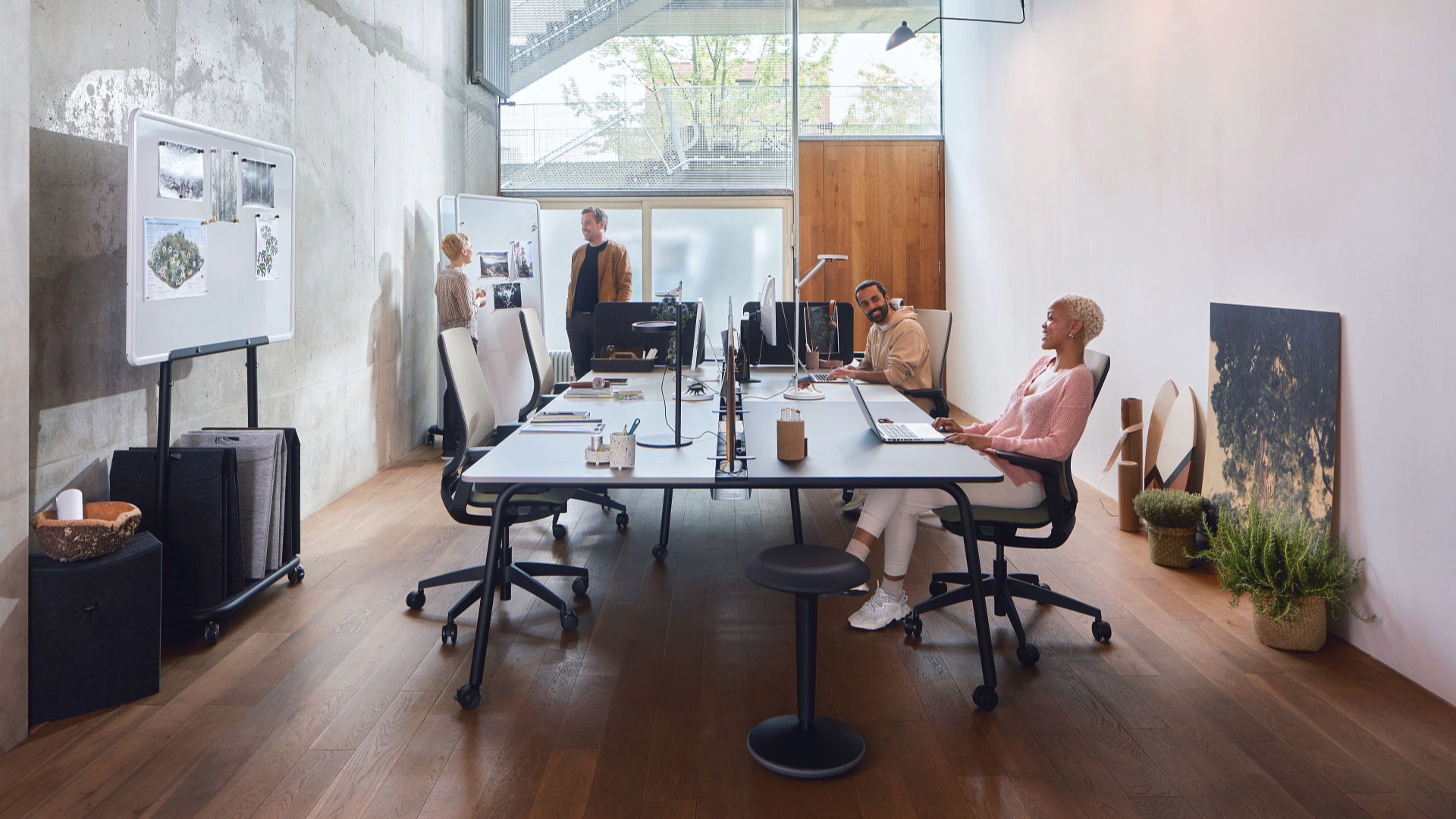

With the Similar mechanism featuring automatic weight adjustment and the Similar mechanism with individual weight adjustment, Sedus offers two solutions for different working environments. But how do they differ, and which variant is suitable for which application?
Ergonomics starts with movement
The human body is not designed to remain in one position for hours on end. Even when sitting, regularly changing posture is essential. Whether sitting upright and focused or leaning back to relax, an ergonomic office chair should support a natural range of movement.
This is where Sedus’s Similar mechanism comes into its own. It enables the seat and backrest to move in a coordinated manner. As the user leans back, the angle between the upper body and thighs increases, encouraging dynamic sitting and supporting a variety of postures.
The degree of resistance offered by the backrest when leaning back is determined by the counter-pressure setting. This can either adjust automatically to the user's body weight or be fine-tuned individually.
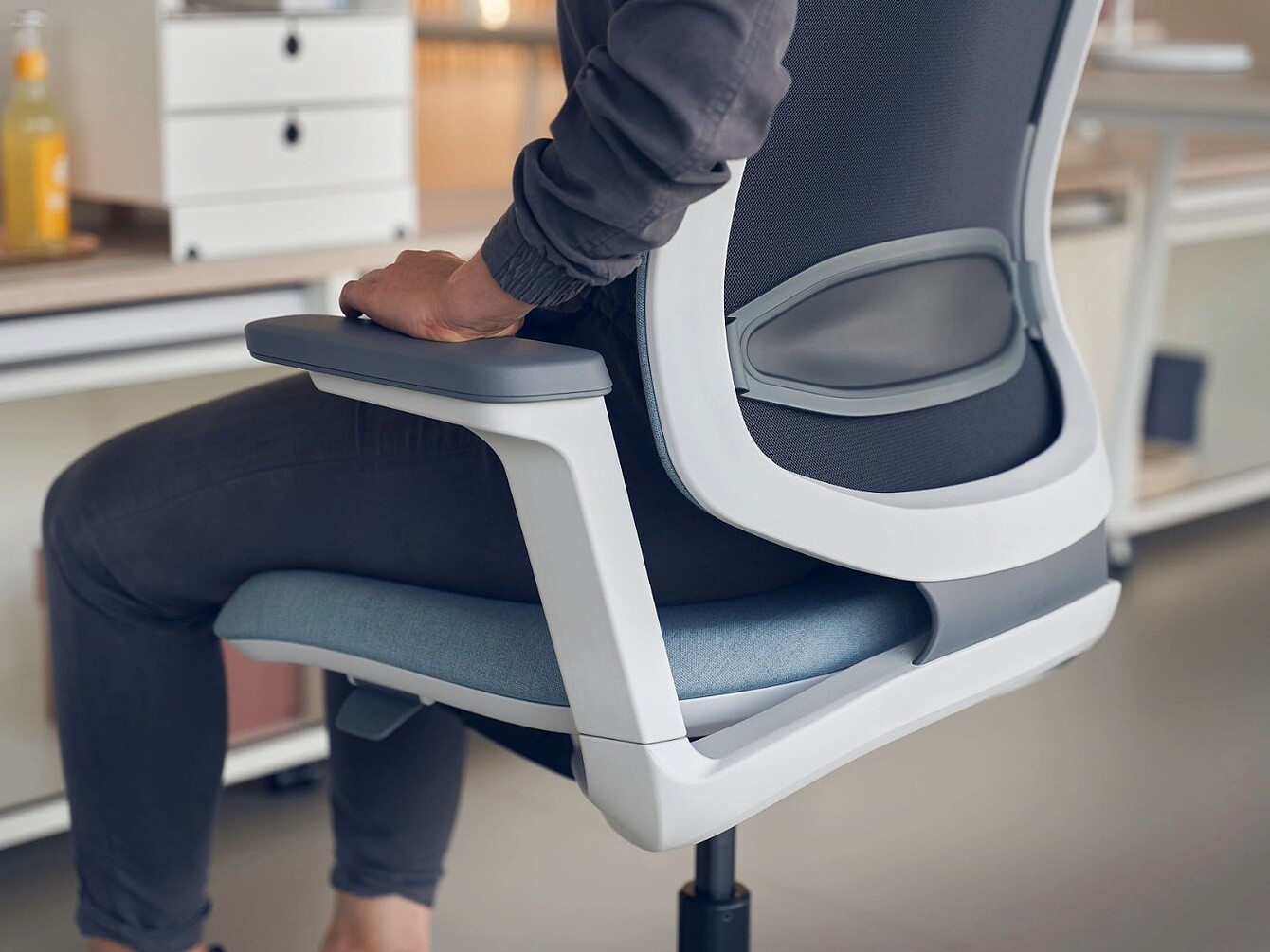
1. Similar mechanism with automatic weight adjustment: simply take your seat and feel comfortable
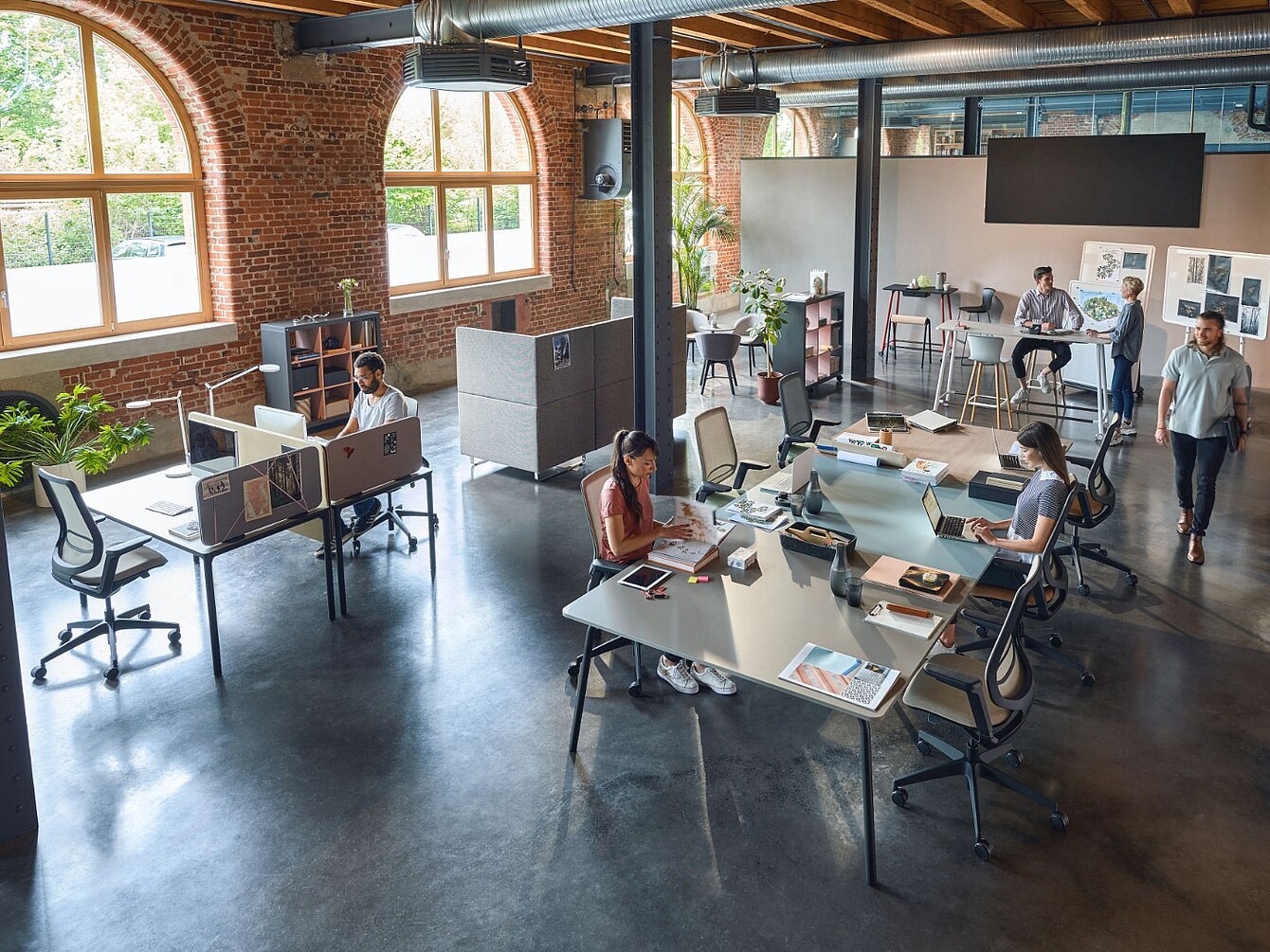
In modern open-plan offices, desk-sharing has become an integral part of everyday working life. Different people use the same workstation, sometimes several times a day. An office chair must therefore adapt to changing users quickly and effortlessly, providing the right level of comfort and support with minimal adjustment.
The Similar mechanism with automatic weight adjustment offers the ideal solution. It automatically adjusts the backrest’s counter-pressure to the body weight and proportions of the person sitting in the chair. Manual adjustment of the backrest’s counter-pressure is therefore not necessary.
This means: take your seat, adjust the seat height and sit comfortably straight away. Whether you’re small and petite or tall and sturdy – the mechanism supports different body types and ensures a balanced sitting experience. A particular strength of Sedus: a version with automatic weight adjustment is available for all swivel chairs.
ComfortSwitch: Automatic comfort, individually tailored
Although an office chair may automatically adapt to the user's body weight, individual comfort preferences still vary. While some users prefer a softer backrest, others favour firmer resistance and greater support.
This is where ComfortSwitch comes in. This optional feature adds two comfort settings to the Similar mechanism with automatic weight adjustment:
- Soft: for a lighter, more relaxed recline.
- Firm: for a firmer seating experience with greater resistance.
ComfortSwitch therefore combines the advantages of automatic weight adjustment with simple, individual fine-tuning. This is particularly practical for desk-sharing: the seating experience can be adapted to your own preferences without the need for complicated adjustments.
ActiveMotion: More movement whilst sitting
Ergonomic sitting means, above all, dynamic sitting. That is why Sedus goes one step further with ActiveMotion. This optional feature enhances the Similar mechanism with automatic weight adjustment by adding a three-dimensionally movable seat. This can move not only forwards and backwards, but also sideways and with a slight rotation.
The seat thus follows the natural movements of the pelvis and lower back. Even small, unconscious shifts in weight are accommodated, enabling a more active sitting posture. These so-called micro-movements can help to activate the muscles, support blood circulation and counteract one-sided strain. What makes it special is that ActiveMotion works intuitively, without the need to consciously control the movement.
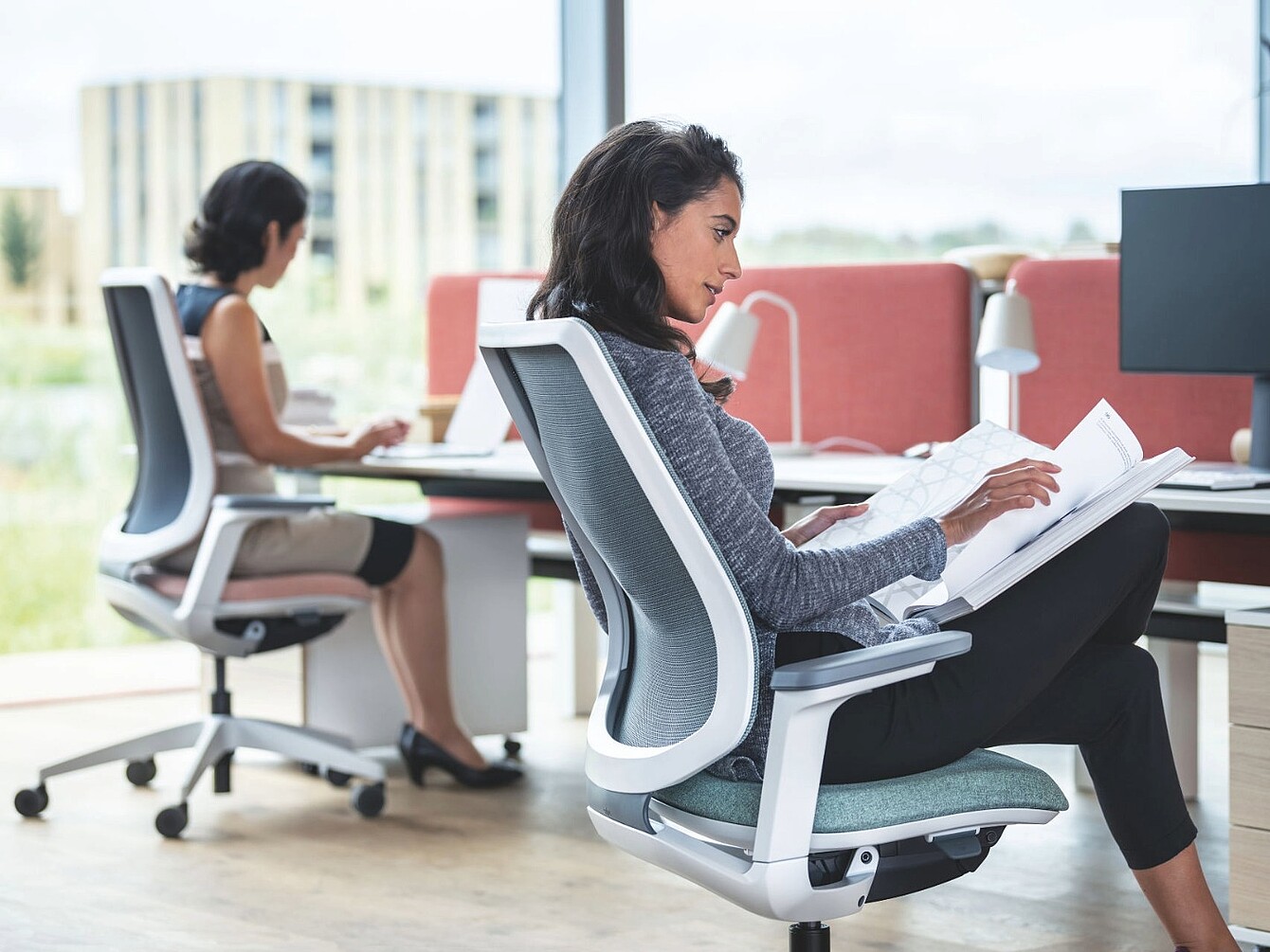
Example: se:flex
One example of ergonomic seating in flexible working environments is se:flex. This ergonomic swivel chair was developed specifically for flexible working environments and automatically adapts to different users. This makes it particularly suitable for shared workstations where straightforward operation and a high level of seating comfort are required.
From the mid-price range onwards, se:flex offers additional options – ActiveMotion and Comfort Switch – for even greater freedom of movement whilst sitting. These two functions can be selected individually or in combination. The result is an ergonomic seating solution that combines automatic adjustment, personalised comfort and freedom of movement.
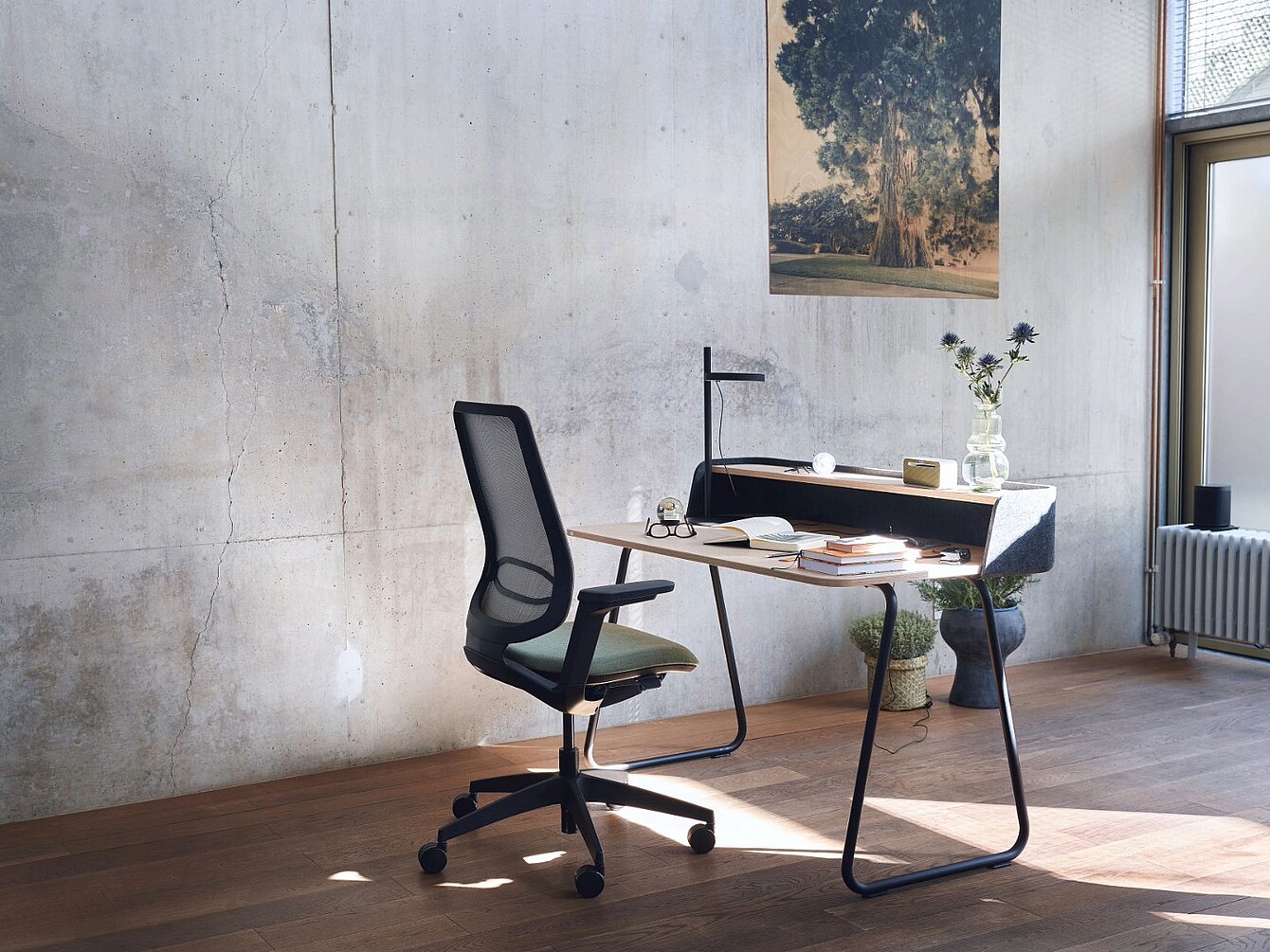
2. Similar mechanism with individual weight adjustment: ergonomics tailored to personal preferences
While flexibility is essential for shared workstations, permanently assigned workstations place greater emphasis on individual comfort and adjustment. Those who use the same office chair every day want to be able to fine-tune it to suit their personal needs and preferences. This is where the Similar mechanism, with its individual weight adjustment, offers distinct advantages.
Unlike with automatic weight adjustment, the backrest’s counter-pressure is adjusted manually, very precisely and individually. This allows you to determine how easily or heavily the backrest should move when you lean back.
The advantage: the office chair can be permanently adjusted to suit the user’s body weight, preferred sitting posture and individual comfort preferences. Once the correct setting has been found, it remains in place – ideal for workstations that are predominantly used by the same person.
Automatic weight adjustment or individual weight setting – which is better?
The answer is: it depends on the workplace and personal needs.
Both mechanisms promote ergonomic, dynamic sitting and are available for all Sedus swivel chairs. The key difference lies in how the backrest’s counter-pressure is adjusted.
The automatic weight adjustment system offers the following benefits:
- Automatic adaptation to different users
- Minimal effort required for adjustment
- High flexibility when moving between workstations
- Additional comfort options via ComfortSwitch and ActiveMotion on models equipped with these features
The individual weight adjustment offers several key benefits:
- Precise adjustment of backrest resistance
- Long-lasting personalised settings
- A seating experience tailored to individual needs
- Highly suitable for fixed workstations and home offices
Automatic weight adjustment is no less ergonomic than manual adjustment, and vice versa. Both approaches share the same objective: to provide the body with optimum support while sitting and encourage natural, dynamic movement.

social media channels: