Sedus: a story of tradition and innovation

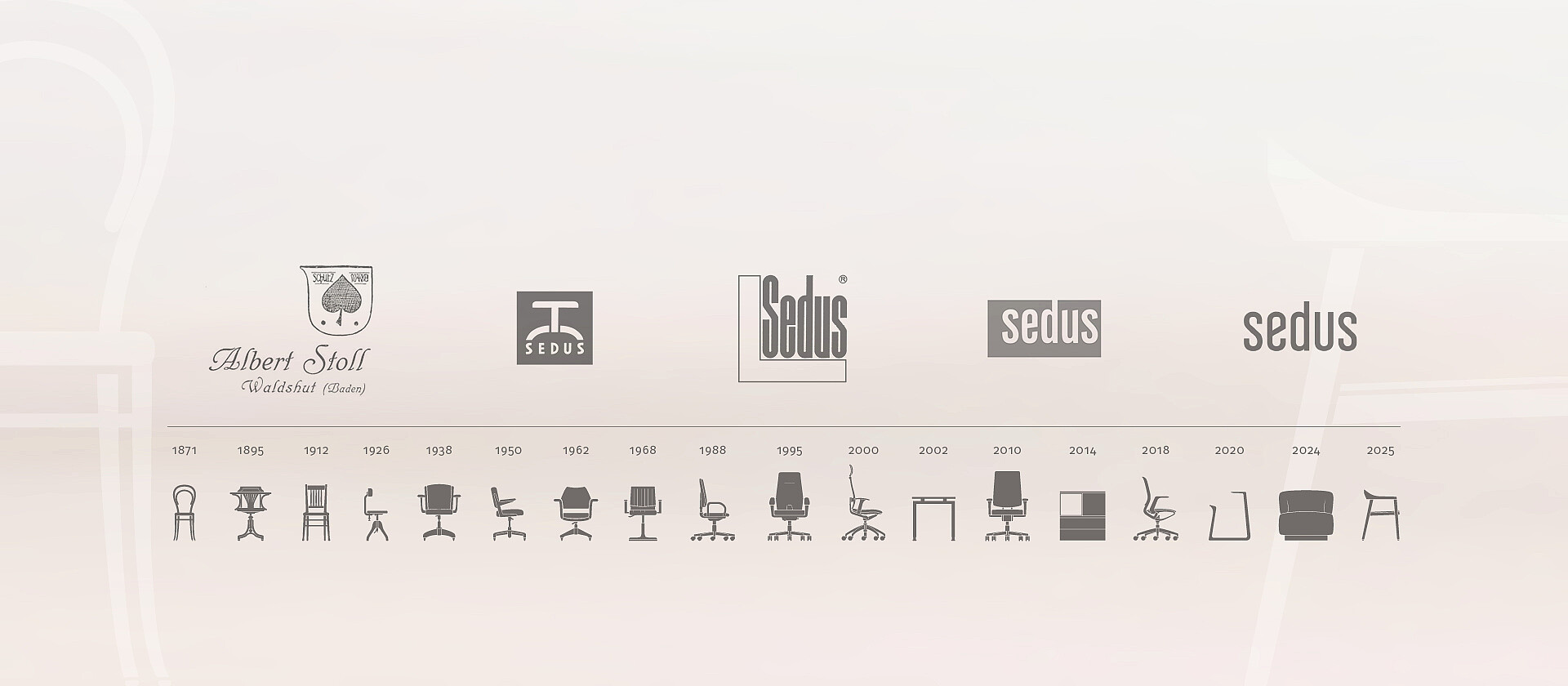
Sedus has been shaping the world of  furniture and office design since 1871. What once began as a modest chair factory in Waldshut has developed over generations into one of Europe's leading office furniture manufacturers. Driven by innovation, traditional craftsmanship and a clear commitment to quality and sustainability, Sedus consistently sets new standards – from the first ergonomic swivel chairs to holistic office furnishing concepts and solutions.

Discover the milestones in the company's history here.
Today

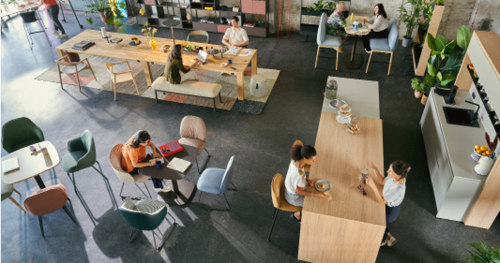
... we're working on creating holistic solutions for the working environments of tomorrow. To achieve this, we're collaborating with partners in more than 74 countries worldwide. We're helping organisations and people to shape the future successfully and sustainably with our services, products and commitment. 

2025

Sedus officially commits to the Science Based Targets (SBTs) of the Science Based Targets initiative (SBTi) and thus commits to short and medium-term climate targets that are in line with the 1.5 degree target of the Paris Climate Agreement.

2024

S³ Advice GmbH is founded. As a management consultancy, it offers services in the areas of NEW WORKspace consulting, digital office space analysis, interior design and change management support.

2023

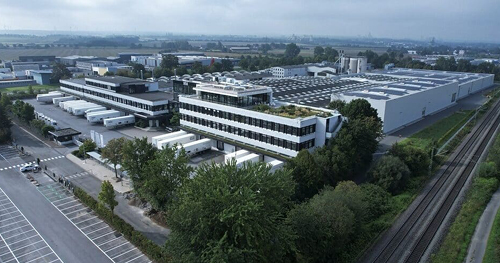
After around two years of planning and construction, Sedus commenced operations at the new "Futura 2" production facility at the Geseke site.

2018

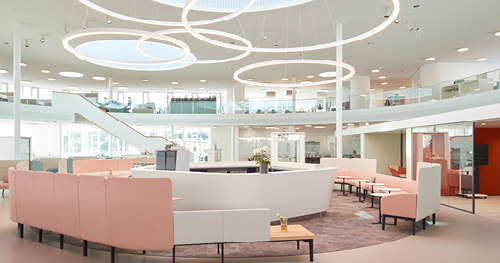
The Sedus Stoll AG headquarters are relocated to Dogern. As part of this move, the connecting road is also renamed “Christof-Stoll-Straße”. In spring 2019, the employees move into the newly built “Sedus Smart Office”.

2012

Laser edging technology was introduced; an improved method of production for all furniture and table tops that creates a seamless, environmentally-friendly design edge.

Sedus was awarded the Environmental Prize for Companies in Baden-Württemberg.
 

2010

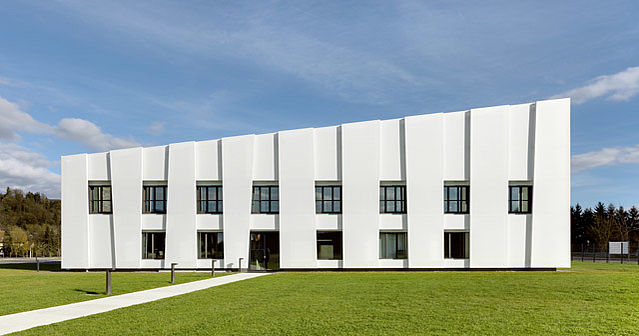
The new Development & Innovation Centre in Dogern was completed. 

Sedus was the first office manufacturer in the world to receive EMAS III certification

2008

Gesika Büromöbelwerk GmbH changed its name to Sedus Systems GmbH, Geseke.

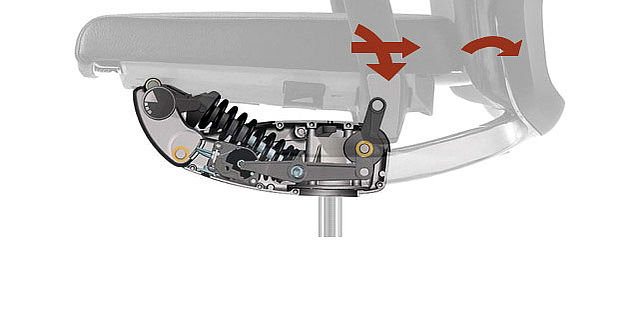
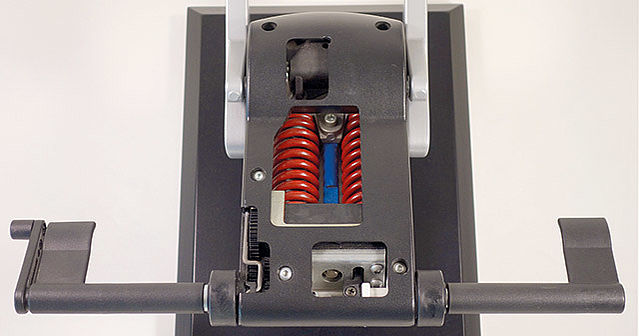
The "Similar-Plus" mechanism, with its pre-selectable opening angle and quick backrest pressure adjustment options, was developed. 

2002

Through the merger with Gesika Büromöbelwerk Bröcker GmbH & Co. KG, Sedus Stoll AG becomes a full-service provider of integrated office furnishings. 

The Karl Bröcker Foundation becomes the second main shareholder of Sedus alongside the Stoll VITA Foundation.

1999

Sedus Stoll AG acquired the majority shareholding in office furniture manufacturer Klöber GmbH, in Überlingen.  

The Karl Bröcker Foundation is established.

1998

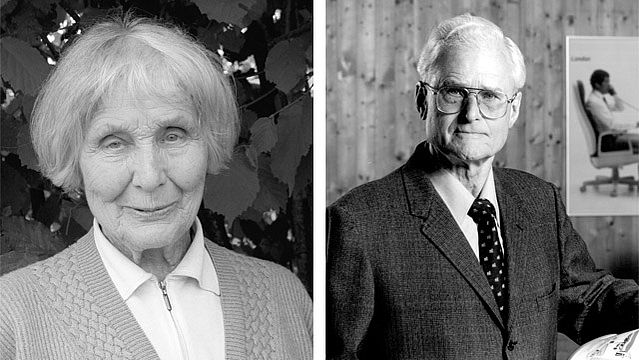
Renate Bröcker dies at the age of 33 in a tragic road accident. Her assets are transferred to her foundation a year later.

1995

The company was reincorporated as Sedus Stoll Aktiengesellschaft.

At this stage, the company was the first furniture manufacturer in Germany to undergo the eco-audit according to EU standards

1993

Christof Stoll was voted Eco Manager of the Year by the WWF (World Wide Fund For Nature) and "Capital" magazine. 

1987

Renate Bröcker takes over the company Gesika Büromöbelwerk Bröcker GmbH & Co. KG after the death of her father. Initially, the company remains under the leadership of a single managing director.

1985

Christof Stoll and his wife Emma establish the non-profit Stoll VITA Foundation and transfer their assets, which also include the majority shareholding in the family business, to this foundation.

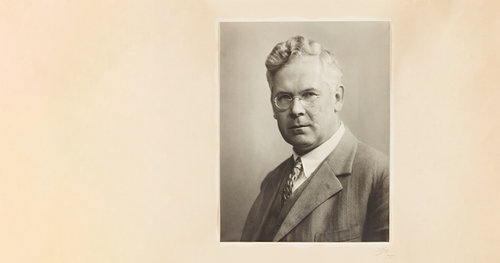
Due to his accomplishments as an entrepreneur, Christof Stoll received the Federal Cross of Merit in 1986. 

1977

Two months after the “Safety regulations for office workstations” come into force, Gesika becomes the first office furniture manufacturer to be awarded the trade association’s safety certification on 4 March 1977.

1974

In keeping with the corporate identity and to emphasise the close connection with the Geseke site, Karl Bröcker changes the company name to “Gesika Büromöbelwerk Bröcker GmbH & Co. KG”. 

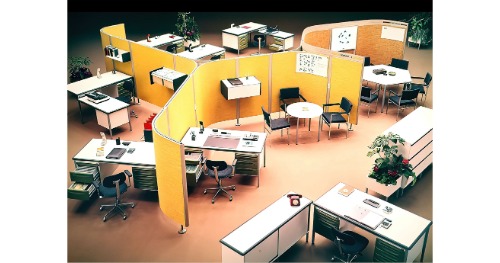
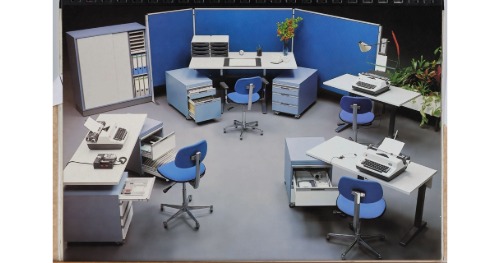
Karl Bröcker presents the new product, the CONTACT-CS room division system. With this product, Gesika has created a room partitioning system that outperforms all conventional screens and most other room partitioning systems thanks to its horizontal and vertical electrification, exceptionally high sound absorption, full-surface magnetic adhesion, “soft” lines and many other advantages.

1973

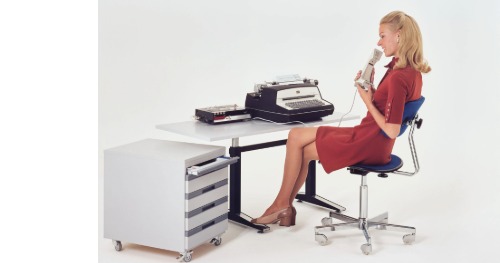
The Anatomic chair, the Permanent Contact backrest and the "Similar" mechanism (principle of dynamic sitting) were developed. These innovations offered technical solutions to ensure optimum ergonomic support for people at work. 

In October 1973, Gesika Büromöbelwerk receives the first safety certification mark for office furniture from the Bavarian State Trade Institute.

1972

Under the motto “Softline, or the function of beauty in the office”, Karl Bröcker presents the new “Gesika Softline programme” at the Hanover trade fair – with shock-absorbing, all-round table top edging made of polyurethane. 

With the development of a soft table-top edge profile, Gesika implements a safety feature for office furniture as early as 1972, which becomes law six years later.

1970

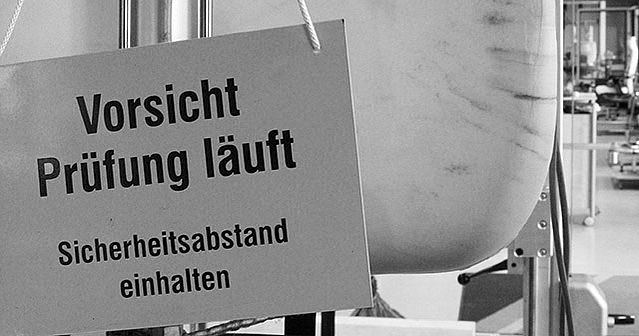
As a consequence of the companies' growth, production was gradually moved over a period of several years to the new site in Dogern.This began as early as 1969. In 1970 Christof Stoll set up a separate development and testing department with the largest and most modern test laboratory in the industry, and hired Theo Hartmann, the first formally qualified designer. By 1987, a total of eight sales companies had been established in Europe. 

1967

Gesika is one of the first manufacturers in the office furniture industry to use the eccentric connection in the new development of the “Gesika independent leg programme”. This achieves a high degree of flexibility, i.e., the office furniture can be dismantled, changed, and exchanged.

1965

Karl Bröcker registers the “Gesika” trademark. The name Gesika is formed from a German acronym that expresses the ideas of successful construction, system-based planning and organisation, the ideal workspace, cost efficiency, and proven quality. 

The first Gesika-branded office furniture series, “Rigo-Norm,” – which was designed by Karl Bröcker himself – is launched.

From 1963

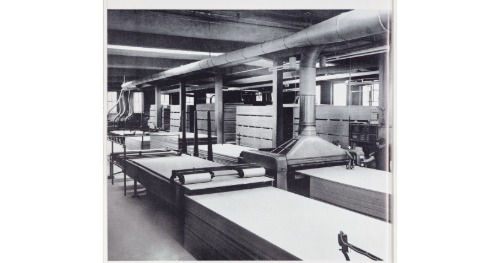
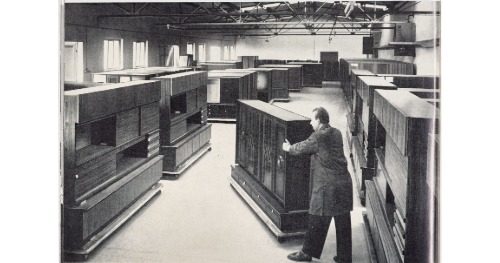
Karl Bröcker builds the first factory for refining chipboard into MFC panels and for producing ready-to-assemble furniture components. Construction of this factory in Geseke results in the development of the largest plastic panel format of its time, the Rigonal branded panel.

1962

Karl Bröcker founds the company Bröcker GmbH & Co. KG at the Geseke site.

1961

Karl Bröcker acquires an industrial site of around 100,000 m² in Geseke.

1958

Christof and Martin Stoll split the family business Albert Stoll OHG into two companies: Christof Stoll KG in Waldshut and the Federdreh chair factory, run by Martin Stoll, in Tiengen. 

Christof Stoll registers the Sedus brand name. 

The Theodor Bröcker furniture and joinery shifts its production from bedroom furniture to living room and kitchen furniture.

1953

Christof Stoll introduced profit participation for his employees.

1937

Albert Stoll II died unexpectedly at the age of 54. Three of his four sons continued to run the chair factory: Albert Stoll III managed the factory in Koblenz, while Christof and Martin Stoll ran the Waldshut company together. 

Karl Bröcker takes over the management of the company from his father. At this time, the company specialises in bedroom furniture.

1929

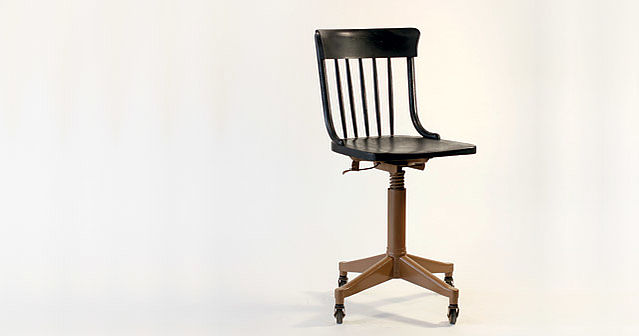
The first swivel chair fitted with swivel castors was developed.

1926

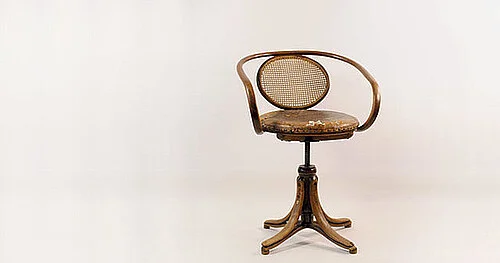
Albert Stoll II improves the American office chair and designs a swivel chair. He presents his new development to the public for the first time at the Leipzig Trade Fair. It is the internationally-patented “Federdreh”, the first swivel chair with a rotatable column suspension. The “Federdreh” marks the company's entry into the office furniture market.

1912

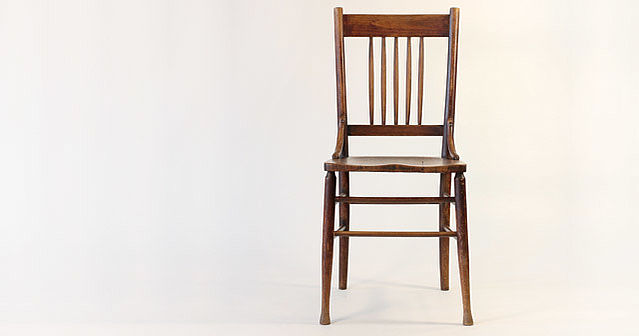
Albert Stoll II started manufacturing spoke-back chairs in Waldshut. These models were strikingly different from the bent wood chairs and consisted of just a few curved parts. Horizontal and vertical rungs gave the Record Chair its stability and helped to support the backrest. Its individual parts were made on special machines that Albert Stoll II  purchased in the USA. This eliminated the need for a significant amount of time-consuming manual work. 

1897

Albert Stoll I dies at the age of 61, leaving behind his wife Bertha, three daughters and 15-year-old son Albert Stoll II. Bertha Stoll continues to run the company as a successful businesswoman, earning her the nickname “Sesselmacherin”. Meanwhile, Albert Stoll II completes his schooling in Waldshut and studies mechanical engineering in Karlsruhe. In 1910, he goes to the USA to study and subsequently takes over the business.

1890

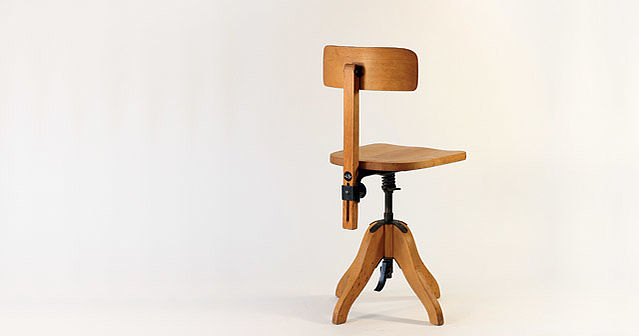
Albert Stoll I developed the four-legged bent wood chair, which has a turned column with threaded insert to allow for height and swivel adjustment. 

1879

Max Klock leaves the company. The company is renamed Albert Stoll OHG.

1871

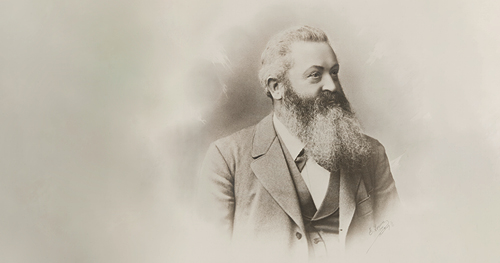
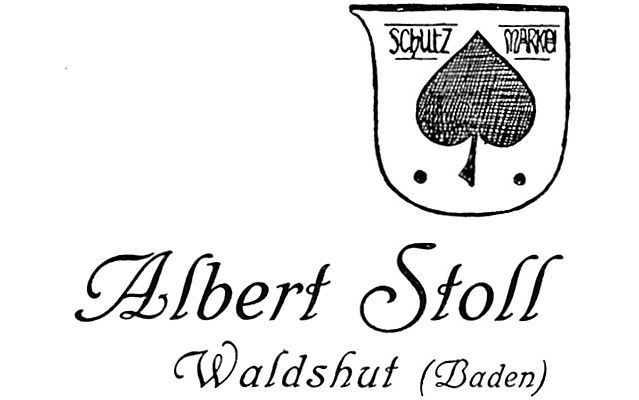
Albert Stoll I, together with Max Klock, set up the “Stoll & Klock” chair factory in Waldshut (Baden-Württemberg). Following Klock’s departure in 1879, the company changes its name to “Albert Stoll”. Two to three dozen employees work in this factory, making chairs out of bent wood. The most important raw material, beech, grows very close by, and there are plenty of workers living in this barely industrialised region – as well as home-workers to make wickerwork chairs. Waldshut's connection to the railway network creates the ideal conditions for the distribution of products, in a time before the existence of fast, efficient and affordable transport by road.

1864

The company Theodor Bröcker furniture and joinery is founded in Stromberg (North Rhine-Westphalia).

Contact
Contact Us!
Showroom
See our visions!