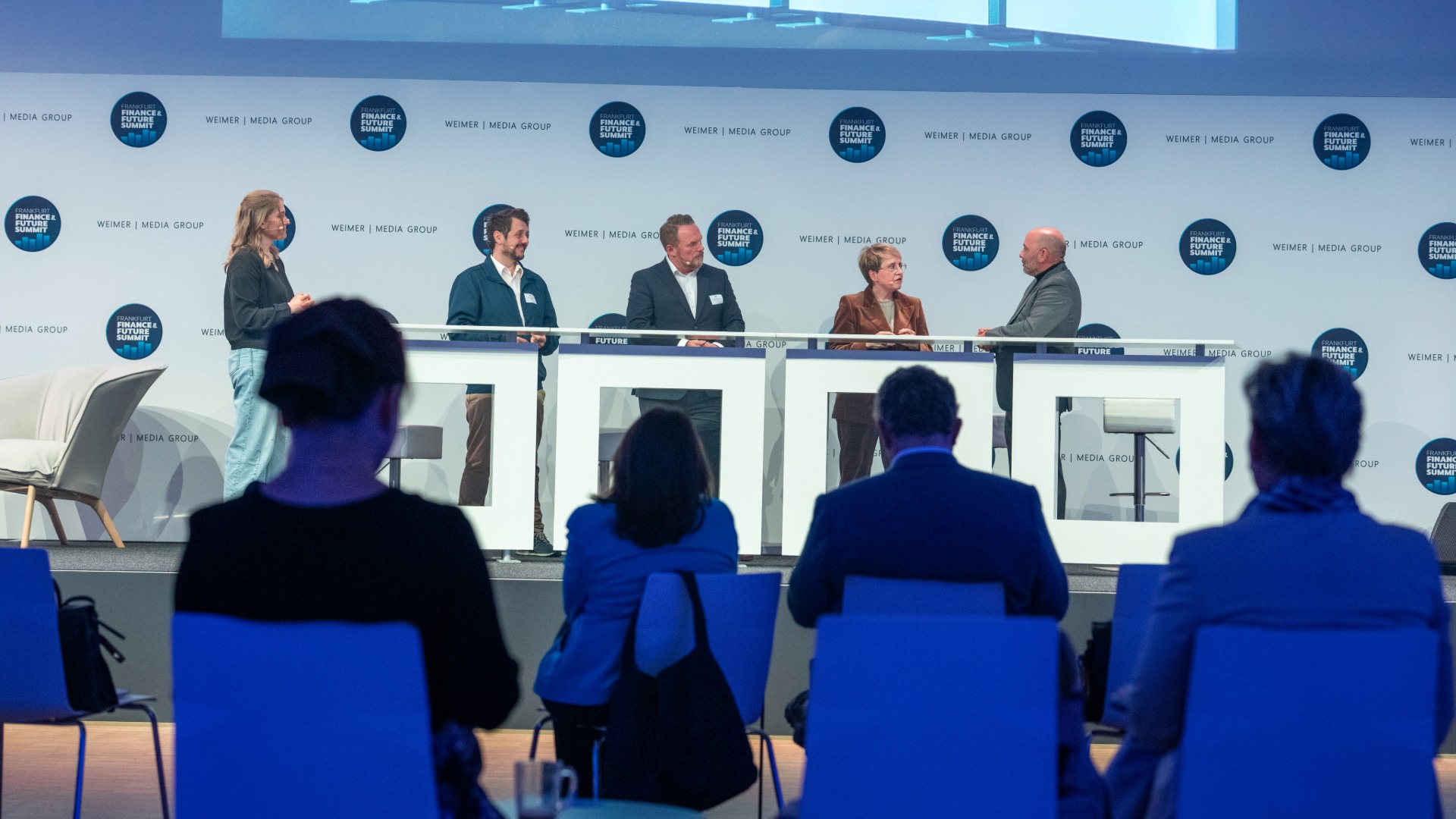

With numerous speakers and a varied programme of keynote speeches, panel discussions and interactive sessions, the summit provided a forum for new perspectives, forward-looking ideas and personal exchange. Key topics included Europe’s competitiveness, technological innovations and the role of people in corporate and cultural transformation.
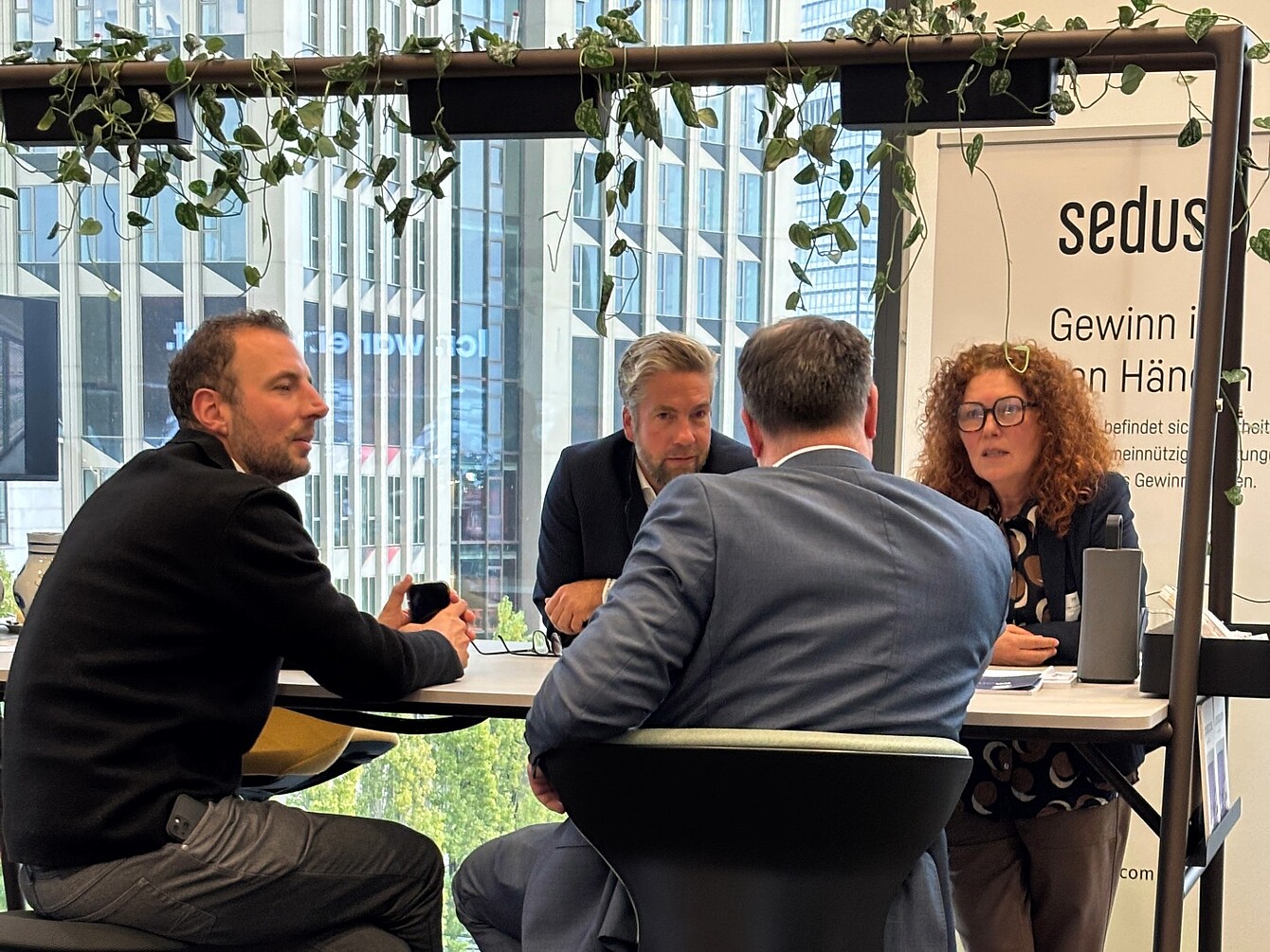
Sedus took part in the event as an equipment partner, furnishing the summit with conference and lounge solutions. This created inspiring spaces for encounters, conversations and new ideas. Sedus also had its own stand, showcasing its expertise in future-oriented working environments.
People as drivers of growth: insights from the panel discussion
One highlight from Sedus’ perspective was the panel discussion ‘Get stronger Germany – for Europe 3: People as drivers of growth’. Together with Tim Verhoeven (Indeed), Dr Michael Fausel (Bluedex Labour Law) and Gabriele Hässig (Procter & Gamble), Daniel Kittner, Speaker for the Board of the Sedus Stoll Group, discussed – with Frauke Holzmeier moderating – how companies can empower their employees and successfully shape change.
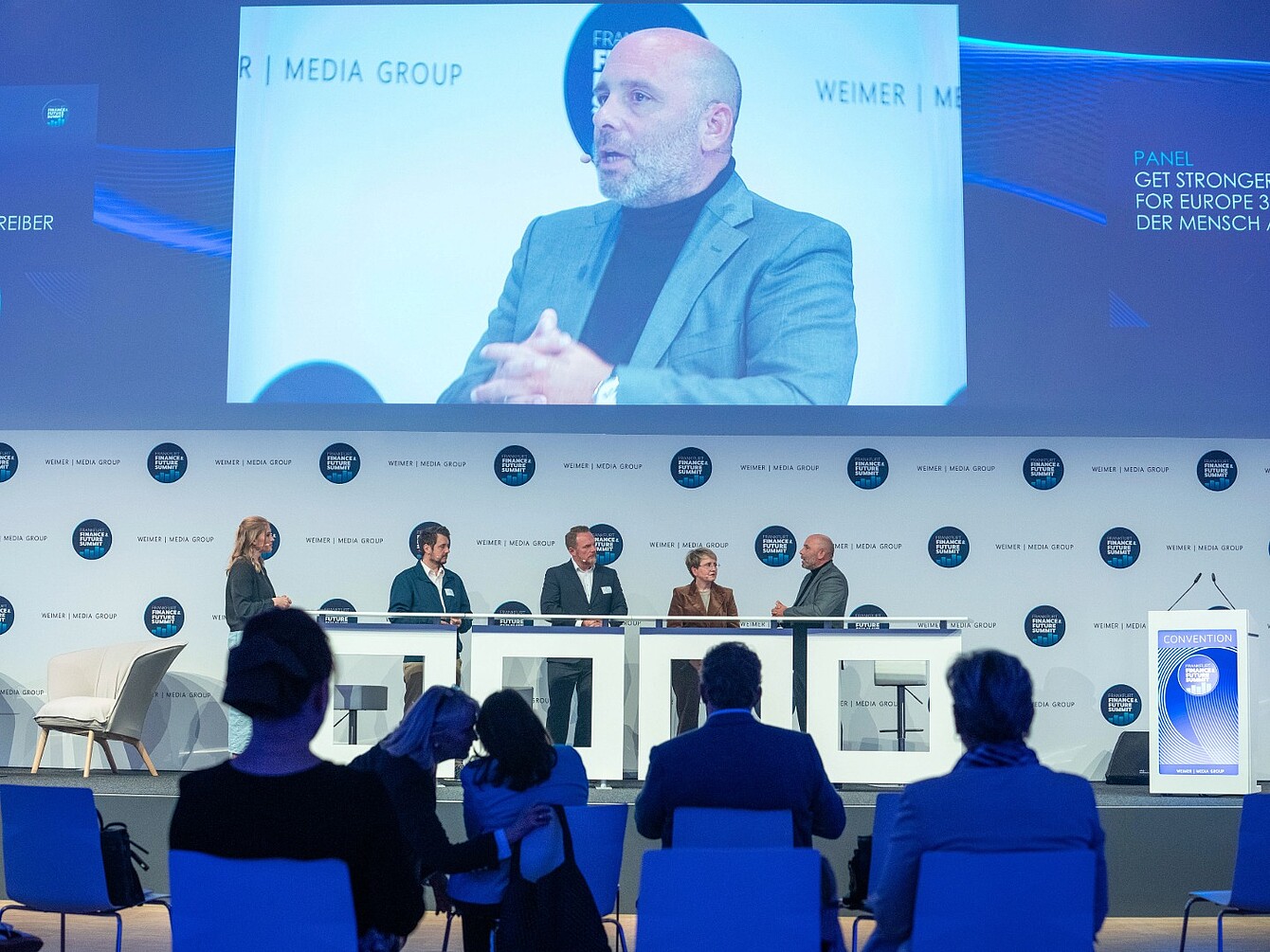
The panel discussion on the topic “Get stronger Germany – for Europe 3: People as drivers of growth”
Three key insights emerged from the discussion.
1. Corporate culture is shaped by personal interactions
A key insight from the discussion was that, even in an increasingly digitalised world of work, personal interaction remains indispensable. This is because corporate culture does not arise solely from mission statements or strategic guidelines.
“Culture is forged through interaction,” emphasised Daniel Kittner. Personal encounters are crucial for building trust, sharing knowledge and fostering a sense of community. The office is taking on a new role in this regard: it is no longer merely a place where tasks are carried out, but above all a platform for collaboration and social interaction.
At the same time, modern working environments must meet the diverse demands of everyday working life. Whilst some tasks require concentration and quiet, others benefit from spontaneous encounters and shared creativity.
For Daniel Kittner, it is therefore clear: “The open-plan office in the traditional sense has had its day.” Instead, flexible spatial concepts featuring different zones for communication, collaboration and privacy are becoming increasingly important.
This also highlights the important role that workplace design plays in a company's success. A thoughtfully designed working environment can strengthen corporate culture while positively influencing employees' productivity, efficiency and well-being.
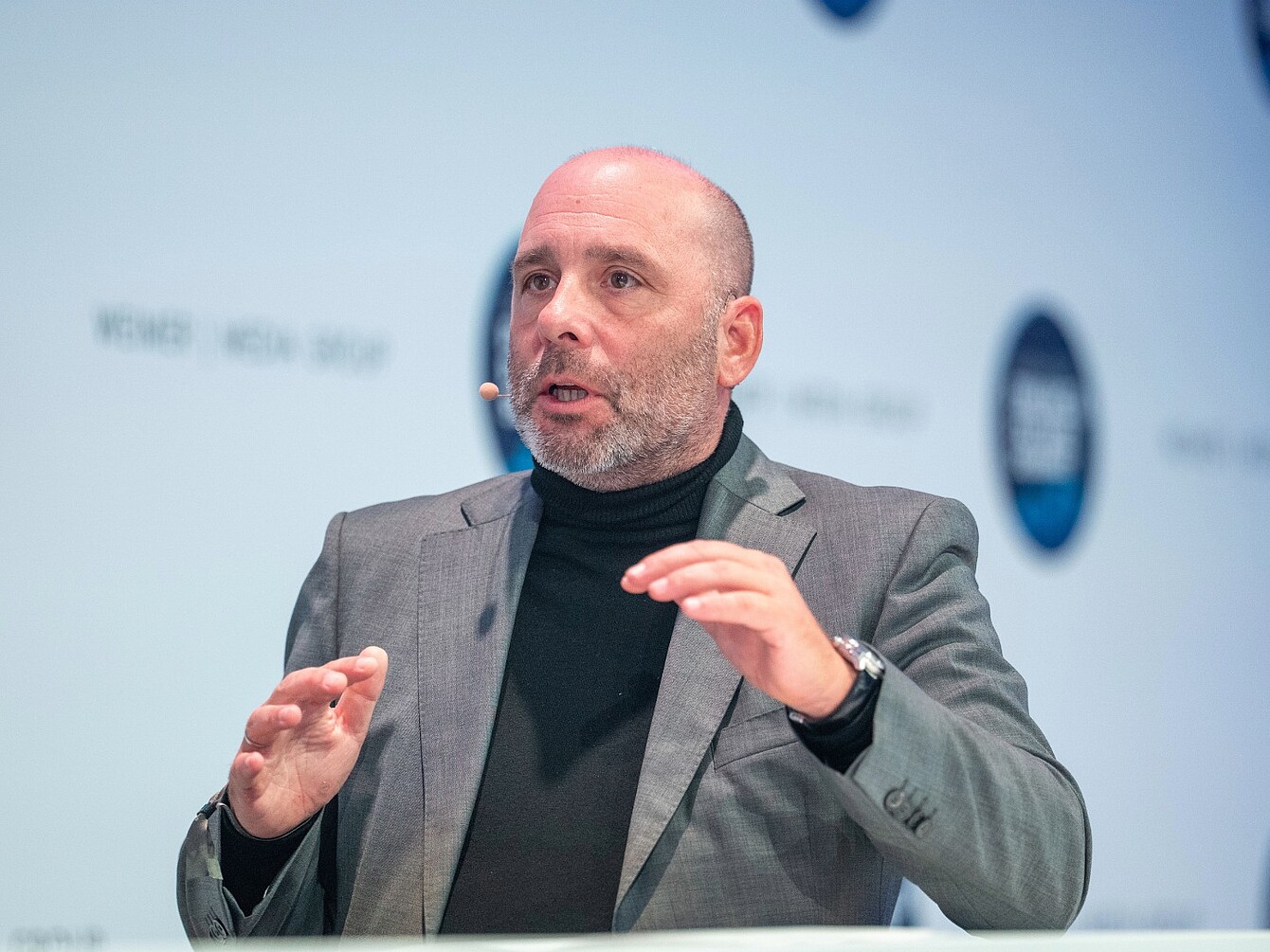
Daniel Kittner, Speaker for the Board of the Sedus Stoll Group
2. Artificial intelligence is transforming work – but people remain crucial
The growing role of artificial intelligence was another key topic. AI offers significant opportunities for companies, but can also create uncertainty among employees.
Daniel Kittner argued that AI should not be viewed as competition for humans, but rather as a supportive tool. Used correctly, it can help to tackle more complex tasks, simplify processes and unlock new potential.
However, it is crucial to actively involve staff in this transformation and demonstrate to them the concrete benefits of new technologies. Rather than adopting AI simply for the sake of innovation, companies should take a considered approach, focusing on applications that genuinely simplify everyday working life.
The other panellists also emphasised the importance of further training, trust and clear lines of responsibility. After all, technological innovation only realises its full potential when people are empowered to use it effectively.
3. Successful transformation requires trust and dialogue
Change is no longer an exception; it has become part of everyday business life. This makes a corporate culture that provides guidance and actively involves employees all the more important.
It became clear during the discussion that successful transformation cannot be achieved through new processes or technologies alone. Rather, it requires open communication, mutual trust and a willingness to take different perspectives into account.
Daniel Kittner particularly emphasised the importance of dialogue: “Communication must also be very much a dialogue.”
Effective communication is not simply about informing employees of decisions and strategies. It also means listening to their perspectives, encouraging questions and taking their concerns seriously. An open culture of communication cannot be established overnight. It must be practised continuously and actively promoted by managers.
Particularly in times of far-reaching change, it thus becomes a vital foundation for cohesion, motivation and long-term business success.
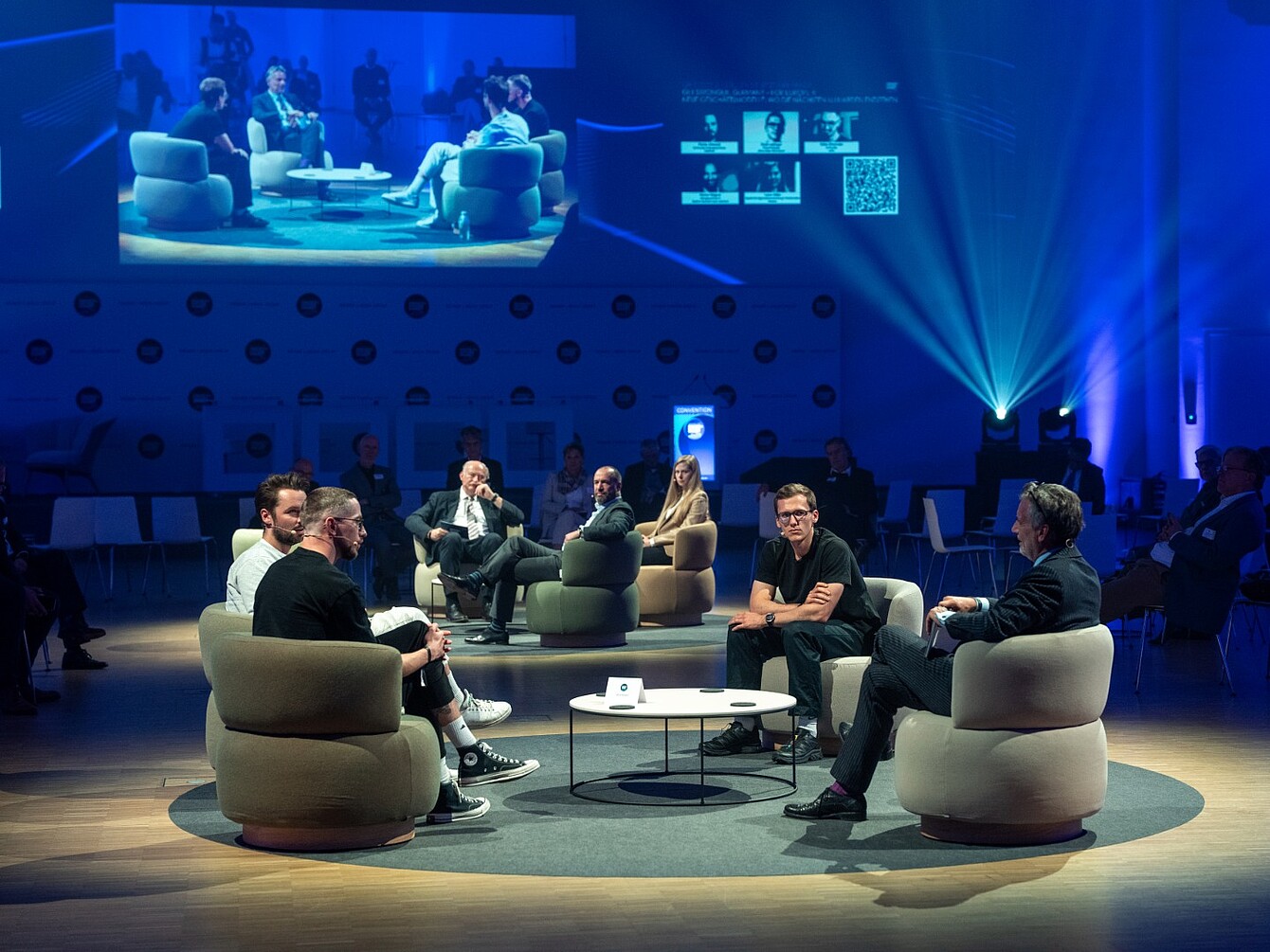
Sedus equipped the summit with furniture
Shaping spaces for the future – together
The Frankfurt Finance & Future Summit 2026 has demonstrated once again that the future of work is not determined by technological innovations alone. What matters most are the people who shape change, as well as the framework conditions that support them in doing so.
For Sedus, this confirms a key principle: working environments must be geared towards people’s needs. They should facilitate interaction, promote collaboration and, at the same time, provide space for concentrated work.
As an equipment partner and exhibitor, Sedus was able to bring this vision to life in a physical space at the Summit. The event thus not only provided valuable insights into the working world of tomorrow, but also offered numerous opportunities for personal exchange and new perspectives.

social media channels: