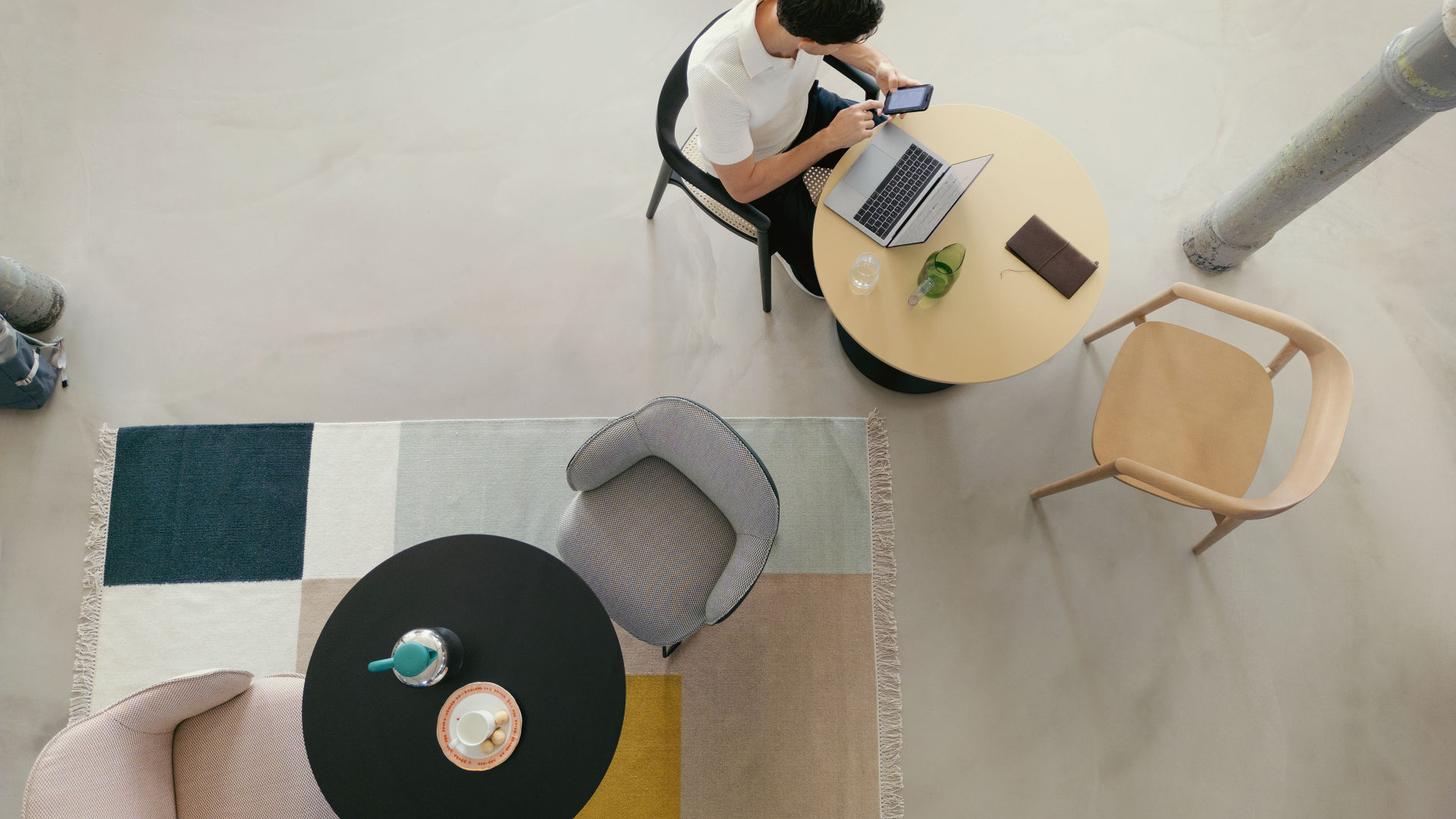

The real problem runs deeper. It is not the amount of work that challenges us most, but the constant interruptions in between. Concentration has become the exception rather than the rule.
And this is exactly where a shift in thinking begins.
When attention becomes a scarce resource
Concentration is not something we can simply switch on at will. It is a state that takes time to build — and surprisingly little time to lose. Studies show that it can take up to 30 minutes to fully immerse ourselves in a task. Once interrupted, the process starts all over again.
In environments shaped by constant stimuli, communication and permanent availability, this state becomes increasingly rare. The result: we switch more frequently between tasks, work more superficially, and consume far more mental energy than necessary.
This creates a silent loss of efficiency — invisible, yet deeply felt.

AI as a new form of relief
Conversations around artificial intelligence often focus on speed. Automation. Productivity. Scale. But another aspect is becoming increasingly important: Relief.
AI takes over precisely those tasks that fragment our attention. It structures information, filters content, reduces search effort, or creates initial drafts. What emerges is not only a gain in time, but above all a gain in clarity.
Suddenly, it becomes possible to stay with one topic for longer. To follow thoughts through to the end. To truly understand connections and complexities.
The real strength of AI, therefore, lies not in acceleration, but in freeing up mental space.
Why technology alone is not enough
As powerful as digital support can be, it only unfolds its full potential in the right context. Because concentration never exists in isolation. It is always influenced by the surrounding environment.
Many workplaces are still primarily designed around openness and collaboration. While this undoubtedly offers advantages, there is often a missing counterbalance: spaces intentionally designed for quiet, retreat and focus.
Yet this balance is exactly what matters. Sedus INSIGHTS clearly shows that different tasks require different spatial conditions — from light focus to deep concentration.
Only when spaces reflect this diversity does concentrated work truly become possible.

Spaces that enable concentration
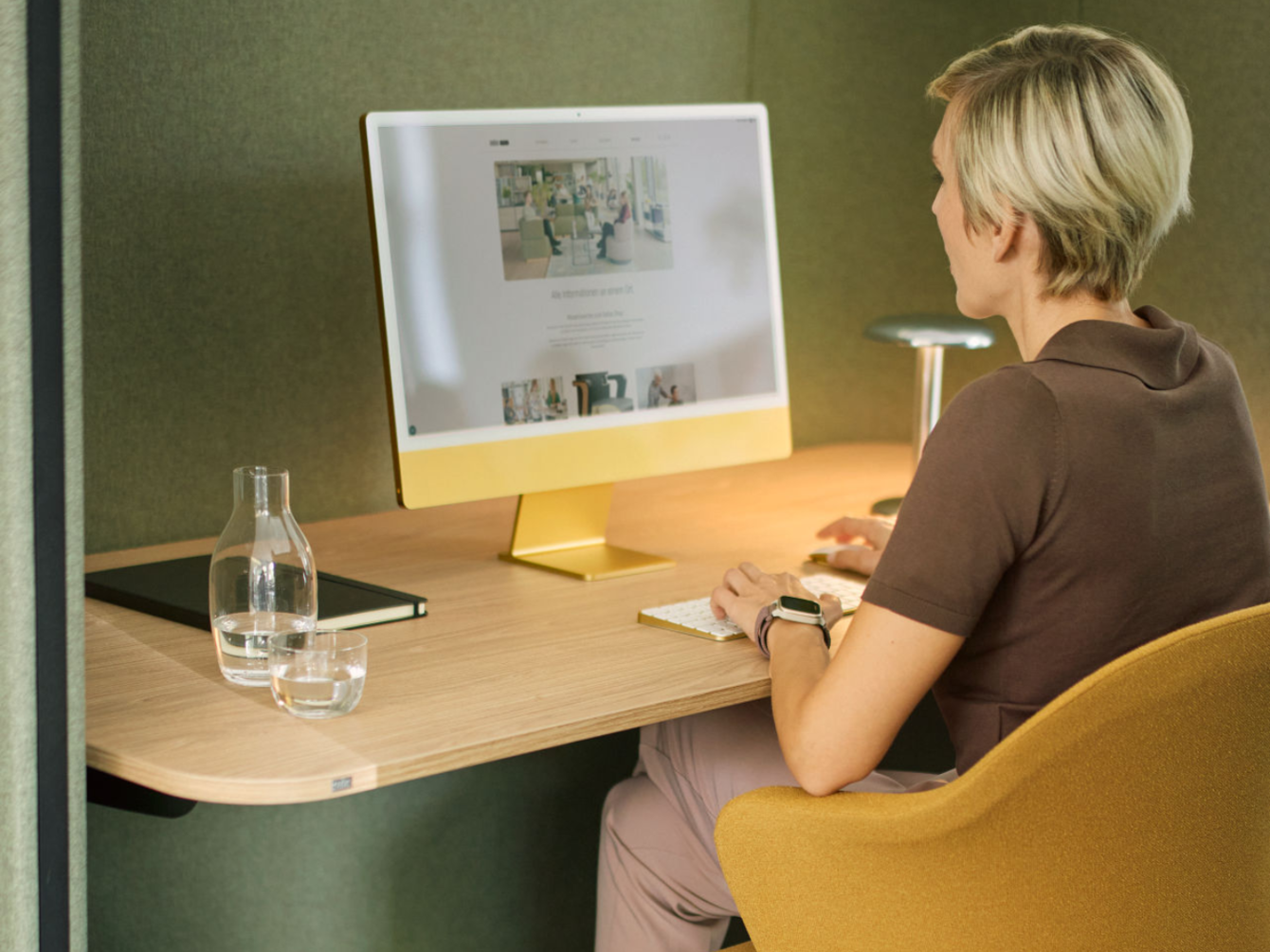
Focus requires protection — from visual, acoustic and social distractions. At the same time, that protection should not turn into isolation. What matters is finding the right balance.
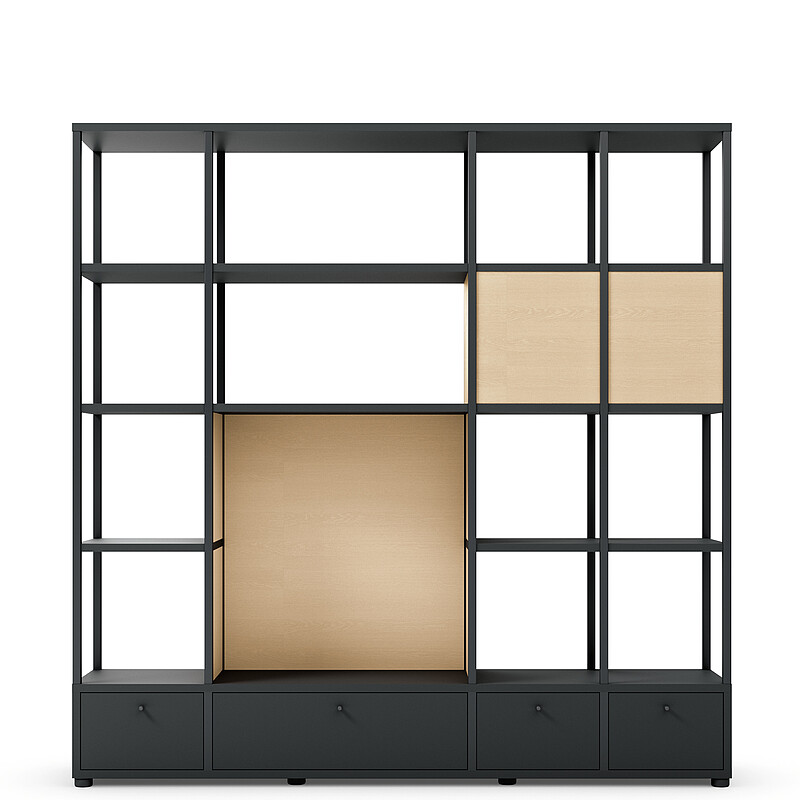
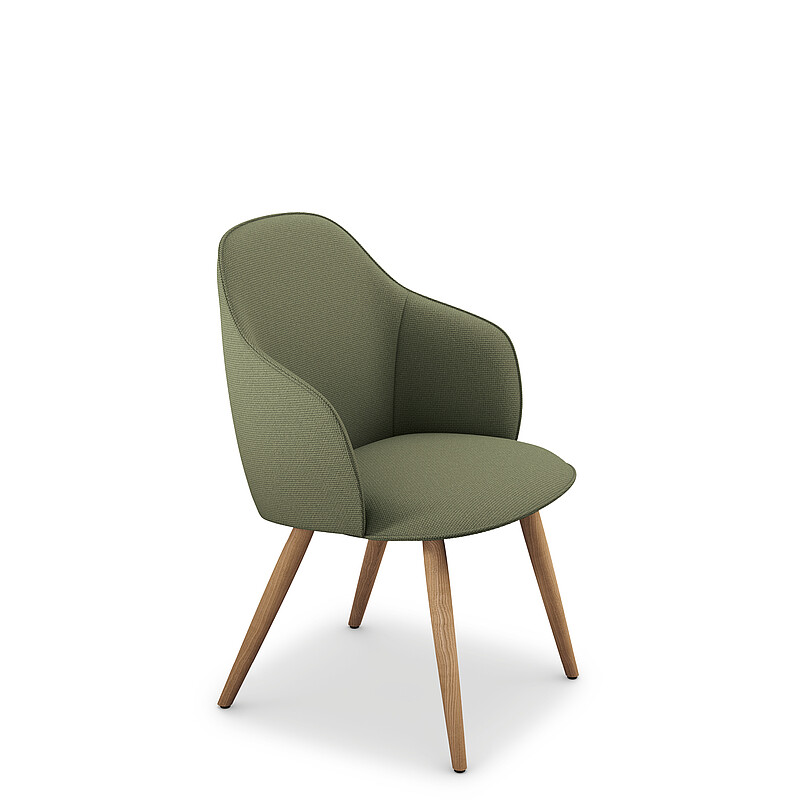
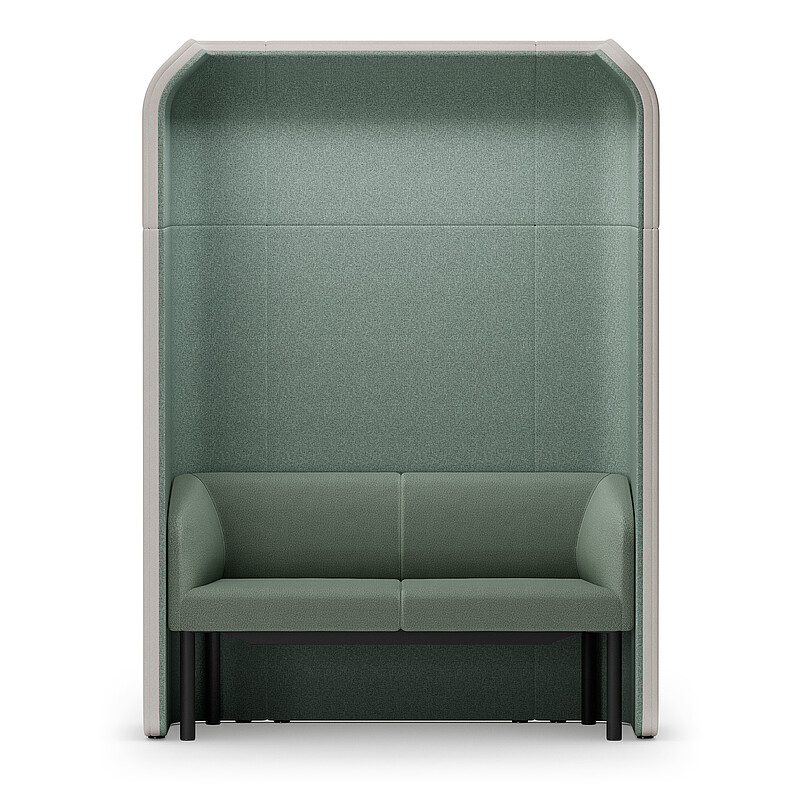
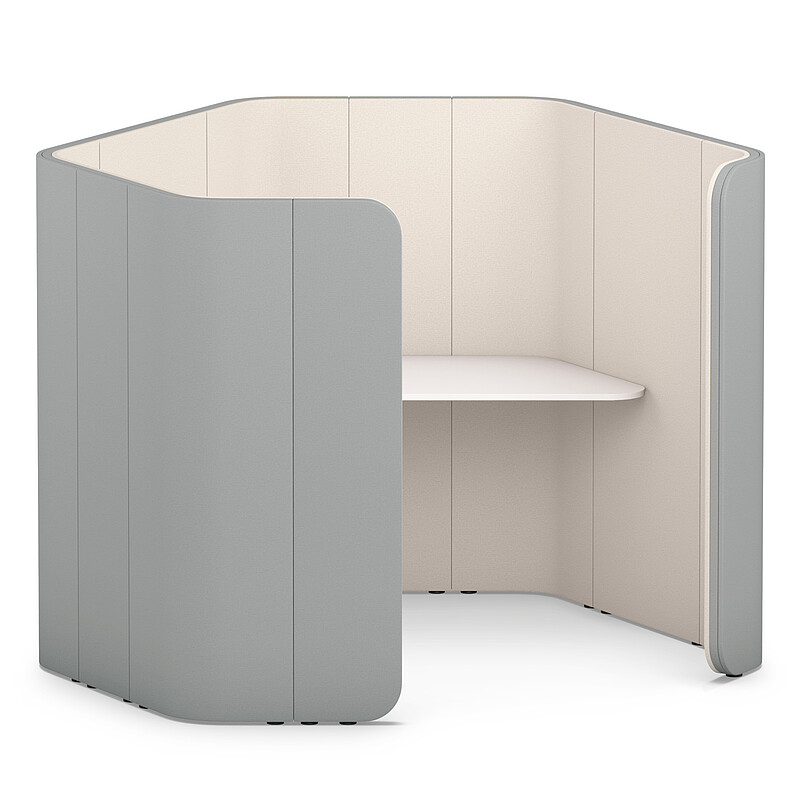
Solutions such as se:cube create shielded environments for intensive, uninterrupted work. Within open settings, elements like se:hive or se:cove provide places of retreat that support focus without completely disconnecting people from their surroundings.
These solutions do more than shape a space — they shape behaviour. They create orientation: this is where focused work happens. This is where retreat is allowed.
In doing so, they introduce a new quality into the workday — one enabled not by control, but by thoughtful design.
Fewer stimuli, greater impact
Interestingly, supporting concentration does not mean eliminating all stimuli. Instead, it is about orchestrating them intentionally.
Environments that integrate natural materials, balanced acoustics and carefully considered lighting support attention without overwhelming it. They help the brain stabilise and direct energy more effectively.
A similar idea is emerging in the development of digital technologies. Increasingly, we hear the term “Calm Technology” — applications designed to remain in the background and intervene only when truly needed.
The goal is clear: less distraction, more relevance.
Focus grows through choice
Another crucial factor is control. People work better when they can decide where and how they work.
The ability to move between different work settings — depending on the task and personal needs — directly impacts concentration, motivation and wellbeing.
Spaces therefore become an offering. And technology becomes a tool that supports this freedom of choice.
A new balance
When these developments are considered together, a new image of work begins to emerge.
Artificial intelligence reduces cognitive load. Spaces reduce sensory distraction. Together, they create the conditions for genuine concentration.
Work does not necessarily become faster — but it becomes clearer.
Conclusion: The real innovation is focus
Perhaps the greatest transformation lies not in new tools or new workplace concepts, but in a new mindset.
Away from permanent availability. Towards intentional attention.
Because concentration is not an unlimited resource. It must be protected, designed for, and continuously reactivated.
AI can help achieve this. Just like spaces intentionally created for focus.
And that is the real opportunity: to create a working world where less distraction leads to greater depth — and where activity once again becomes true productivity.
Related posts
Mindset. Skillset. Toolset. Why Companies Must Become Learning Hubs and Workspaces Experience Destinations

social media channels: