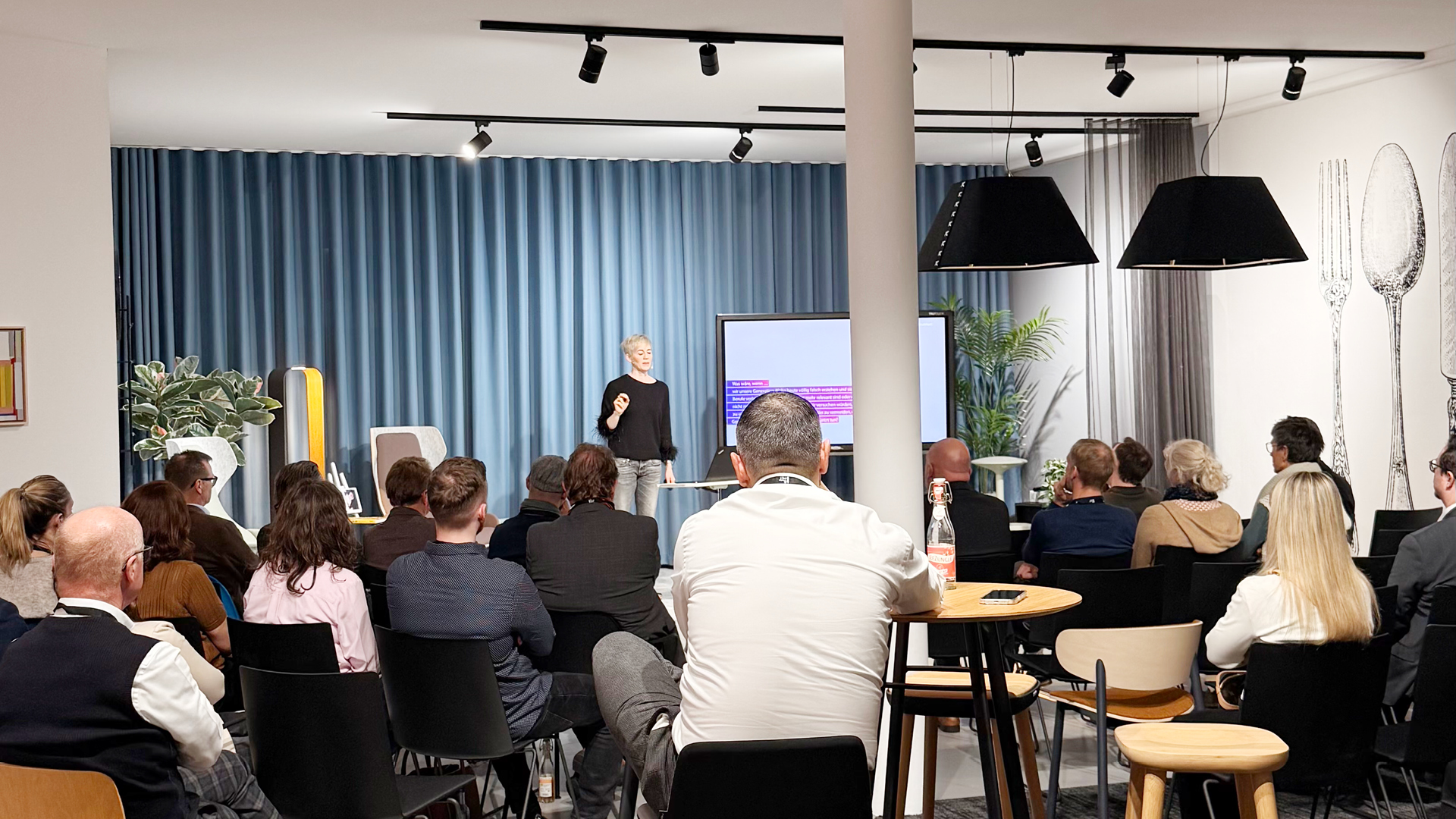

1. You are a health psychologist and futurologist, and you regularly speak to leadership circles in business, politics, and administration. How are younger generations shaping the future of work?
I often begin my keynotes with a question: “What if by 2030, 75 percent of our workforce in Germany consists of Generations Y, Z, and Alpha? What impact would this have on culture, workspaces, leadership, recruitment, retention, and technological progress in your organisation?”
This is not a rhetorical question - it is the strategic reality companies must prepare for now.
We are experiencing the tightest labour market of all time. The ability to attract, develop, and retain the right people is the most critical strategic question of our time. Without talent, companies fall behind. Without talent, there is no growth. Without talent, there is no AI diffusion.
What many organisations underestimate is that the talent market has not only become tighter - it is becoming more complex and must be fundamentally rethought.
Talent itself has changed. The best people no longer think in terms of traditional career paths or linear hierarchies - nor do they aspire to become CEOs of large corporations. They think in terms of purpose, freedom, speed, ownership, and visibility. Career is no longer about climbing a ladder, but about making an impact.
Future organisations will no longer build workforces - they will build ecosystems of capabilities.
2. You speak of a “mammoth task of historic proportions.” What is really at stake for companies in the coming years?

Artificial intelligence is an accelerator of our VUCA reality - a world that is increasingly volatile, uncertain, complex, and ambiguous. Those who continue to operate based on past experience will soon find themselves in the company of Nokia, Schlecker, or Praktiker.
The pressure to change is evident across three levels: mindset, skillset, and toolset - and it directly impacts leadership, teams, and talent.
The real mammoth task is reskilling. The pace of AI development will be so rapid that schools, vocational training, and universities simply cannot keep up with updating their curricula.
This means companies must make an extraordinary effort to bring their workforce along - upskilling, reskilling, and potentially redefining roles. Otherwise, we will see large-scale deskilling.
My clear call to action is: “BE LEADING IN TEACHING!” Create a best-in-class learning and development experience - across three dimensions: space, technology, and people & methodology.
3. If organisations introduce AI without systematically developing their people, there is a risk of gradual skill erosion. How real is this risk?
Very real - and scientifically proven.
An MIT study asked participants to write essays: one group without digital assistance, one using search engines, and one using AI tools. While the AI group completed the task 60% faster, their brain activity dropped by nearly 50%. Even more striking: 83% could not recall a single sentence they had written.
This is known as cognitive offloading - delegating memory and problem-solving tasks to technology. While efficient in the short term, it leads to long-term consequences: reduced critical thinking, weaker memory retention, and increased susceptibility to superficial thinking.
If people rely on AI without building foundational expertise, they do not gain competence - they accumulate cognitive debt.
The disappearance of entry-level tasks is therefore not only an employment issue, but also a cognitive development issue.
4. Generation Z and Alpha are growing up in a world shaped by crises and experience economies. How does this influence their expectations of work?
Young people today are navigating multiple interconnected crises.
A cost-of-living crisis creates financial pressure. An “end-of-ambition” crisis leads to a withdrawal from traditional career narratives. At the same time, an entry-level jobs crisis is emerging, as many roles may disappear due to AI.
On top of that, there is a growing education crisis: Gen Z and Alpha have built their identities around cognitive performance - exactly what AI is now challenging.
This fundamentally reshapes expectations.
5. Titles, status, and salary are losing importance. What are young talents looking for instead?
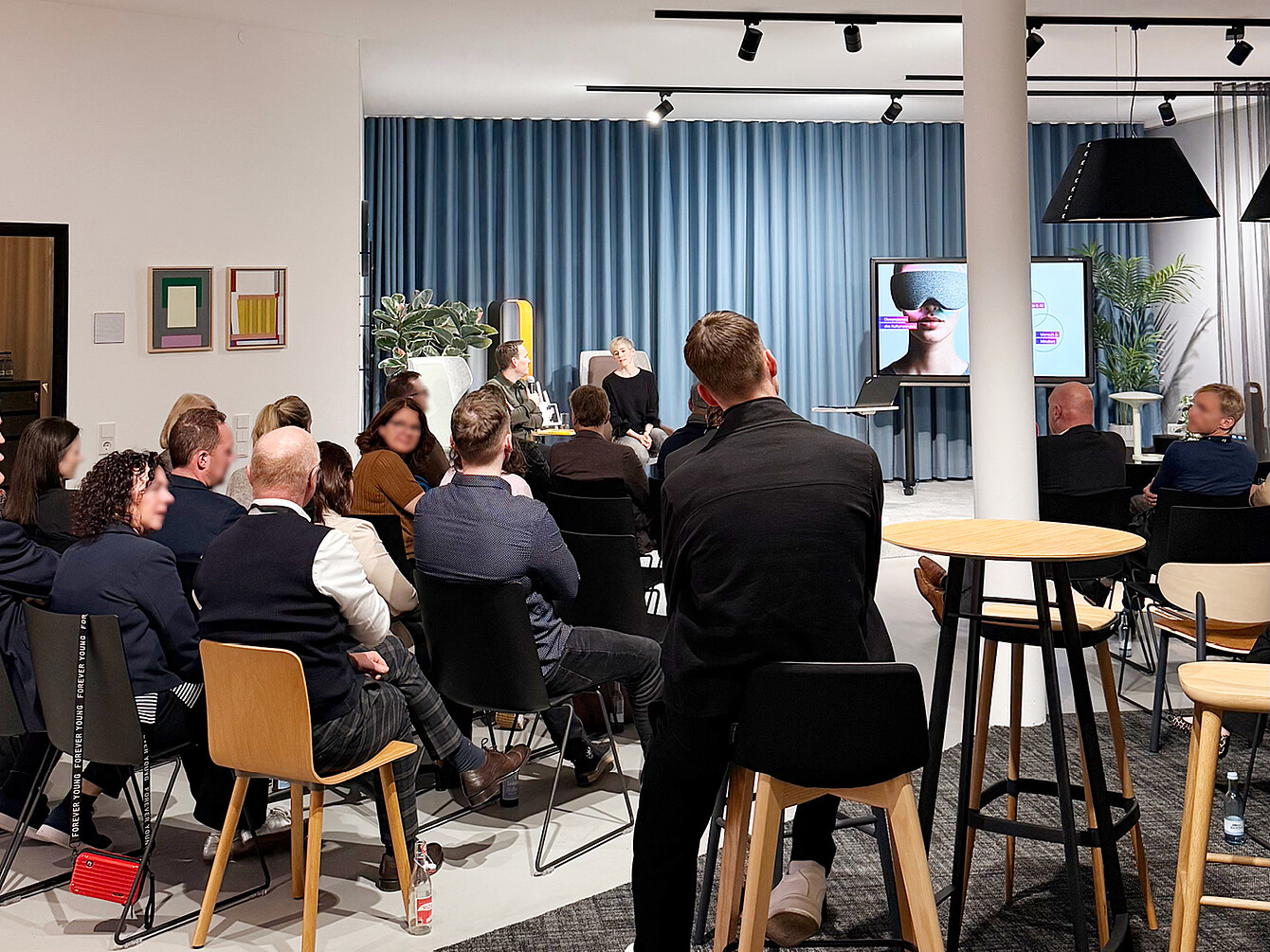
Beyond traditional extrinsic motivators like status and utility, three intrinsic drivers are emerging:
- Contribution: What impact do I create?
- Community: Where do I belong?
- Passion: Does this align with my strengths and interests?
What companies often underestimate: talent thinks in ecosystems of opportunities. Future organisations must do the same.
6. Companies are heavily investing in technology. Are they investing equally in leadership, culture, and belonging?
Clearly: no - and this is one of the most dangerous investment gaps of our time.
By the 2030s, the entire baby boomer generation will retire. The critical question is: who will take over leadership?
The real challenge is not technology - it is developing people who can meaningfully lead and apply it.
7. You speak about “Inspiring Leadership.” What distinguishes it from traditional management?
In a world full of information, those who inspire will lead.
Inspiring leadership is built on three roles: visionary, role model, and mentor. And it starts with a simple but fundamental question: Do you genuinely like people?
Because that is where great leadership begins.
8. In the co-play of humans and AI, which skills become more valuable?
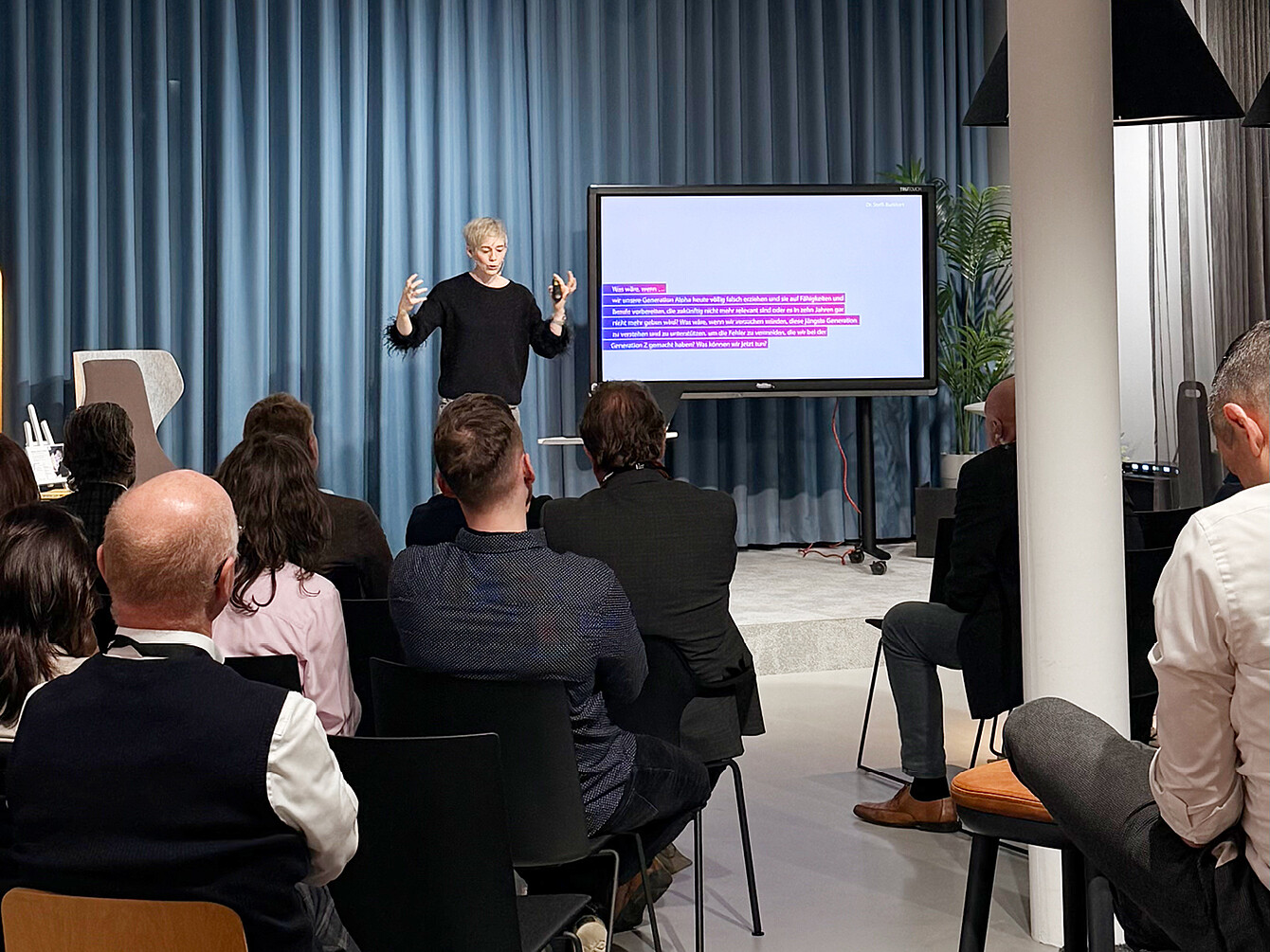
Success lies in combining human and artificial intelligence.
What gains value: critical thinking, ethical judgment, relationship skills, and the ability to interpret AI outputs.
9. Will the ability to learn become more important than existing knowledge?
Yes. The half-life of skills is shrinking rapidly.
Learning is no longer optional - it is essential. And education must go beyond knowledge transfer to include purpose, community, and personal growth.
10. Companies as learning hubs - what does that mean in practice?
Qualification becomes a core value driver.
Organisations need a new learning architecture built on space, technology, and human-centered methods - supported by new leadership roles driving transformation.
11. What role does the physical workspace play?
The workplace becomes a “point of experience.”
It must enable connection, belonging, and development - offering something that purely digital environments cannot.
12. Your three key recommendations for leaders?
First: Move beyond experience-based thinking and embrace future scenarios.
Second: Become a “BE LEADING IN TEACHING” organisation.
Third: Success depends not on goals, but on systems and training.
High performance is always the result of system and preparation.
Conclusion: The Future Won’t Build Itself
The transformation of work is no longer a distant concept - it is happening now. And it challenges companies on multiple levels: to understand technology, but also to rethink leadership, culture, and the environments in which people work.
What becomes clear from this conversation: the real differentiator is not technology itself, but the ability to develop, empower, and inspire people.
Mindset, skillset, and toolset are deeply interconnected. Organisations that succeed in embedding learning into their DNA, redefining leadership, and creating work environments that foster experience, belonging, and growth will have a decisive advantage in the competition for talent.
Or put differently:
The future of work will not be decided by who has the best tools - but by who creates the best systems for people to thrive.

social media channels: