
New materials: bio-based, circular and intelligent
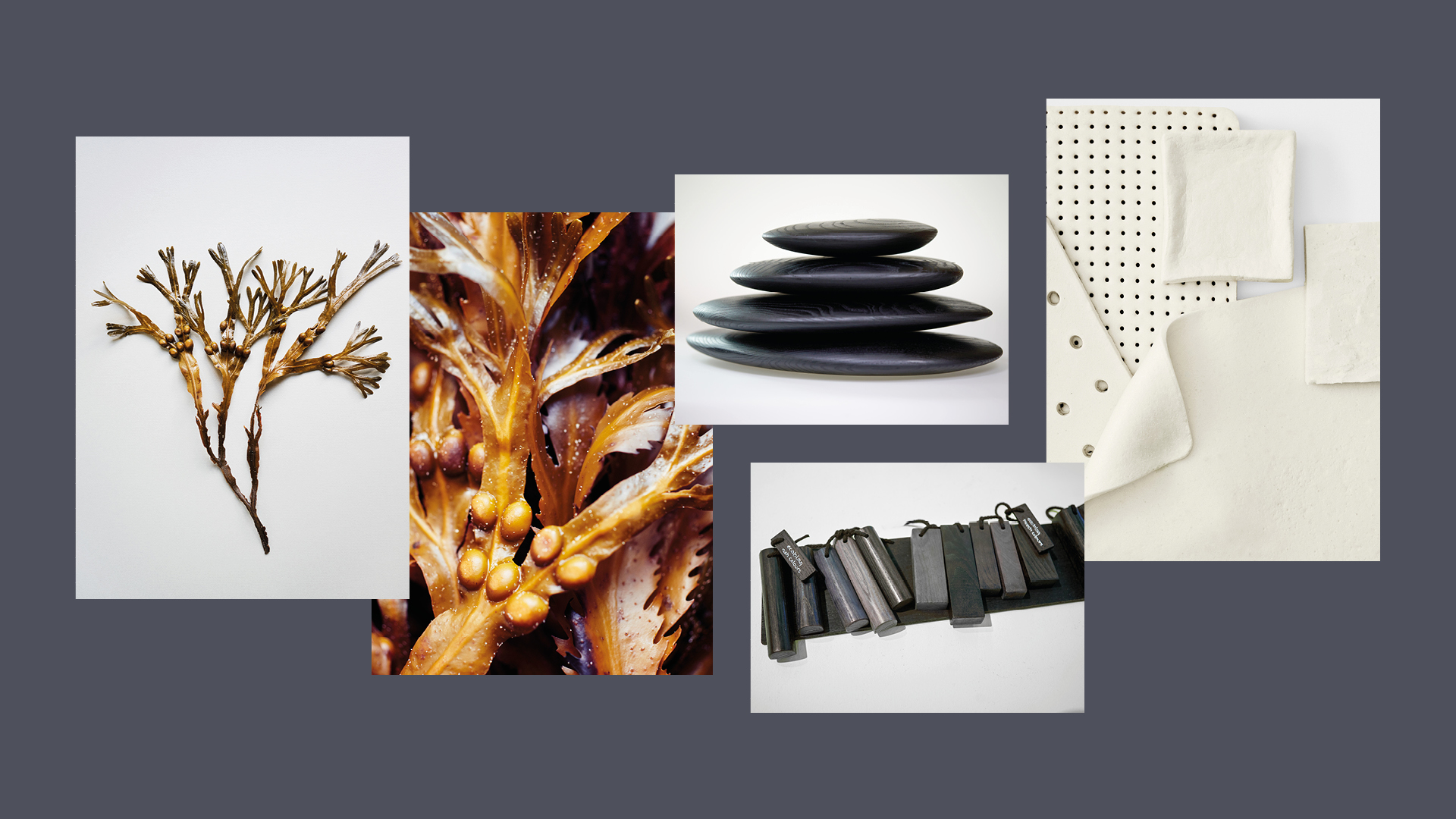
The development of modern materials is no longer just a technical process, but a strategic approach. Bio-based plastics, recycled fibres and circular material cycles not only create ecological advantages, but also open up completely new design possibilities. Materials are emerging that have a special depth in their structure, colour effect and sensory properties. They bring naturalness to rooms, often have a warm effect and invite haptic interaction.
An atmosphere you can feel: the influence of materiality on space
Materiality shapes perception. Natural and responsibly sourced materials can contribute to an atmosphere that promotes concentration and wellbeing. Wooden surfaces, fabrics with a natural fibre structure or upholstery made from recycled materials, for example, convey authenticity - a decisive factor in modern office and working environments, which increasingly value emotional quality. Rooms feel more alive when the materials tell a story.
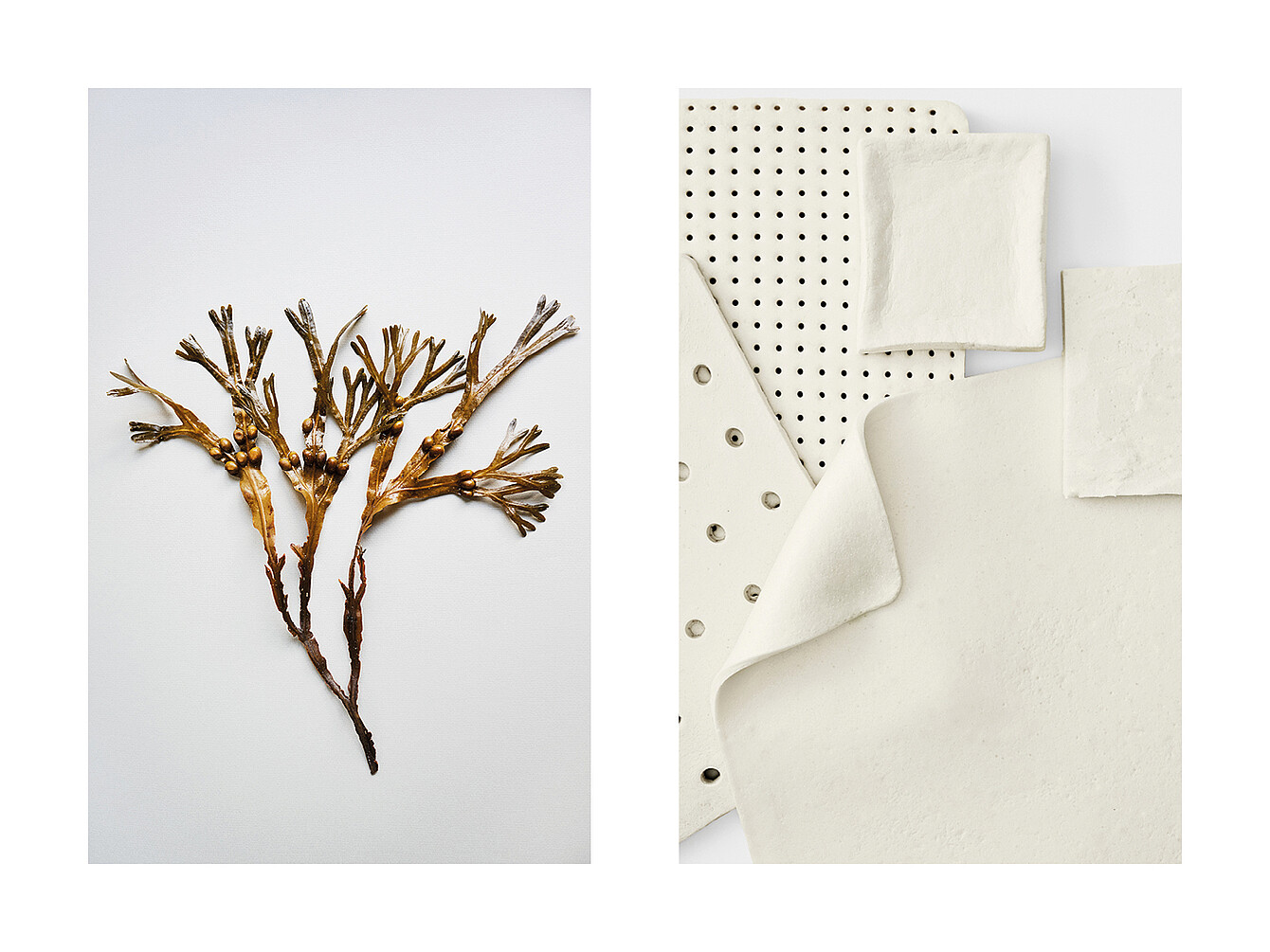
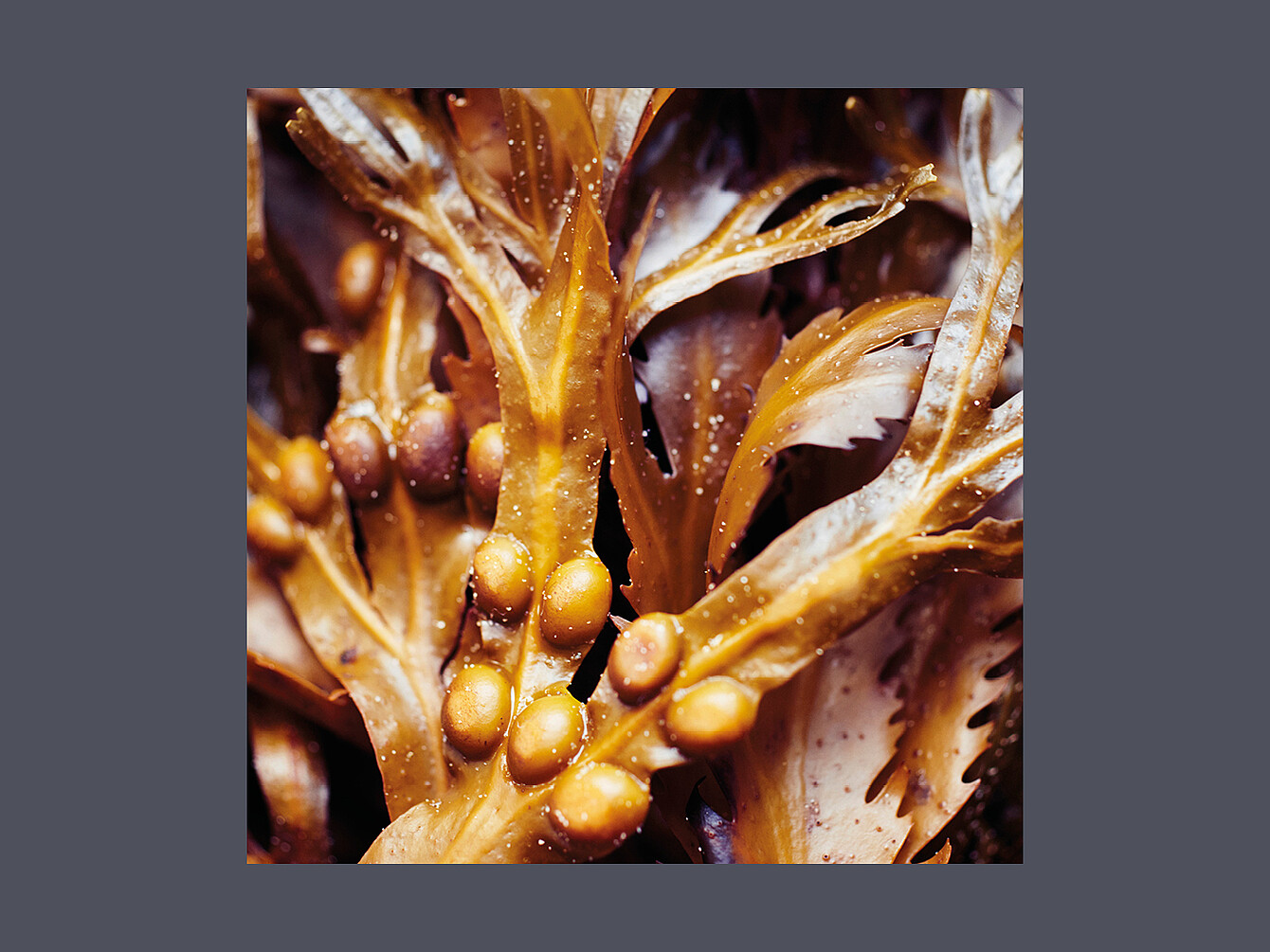
The Norwegian start-up “Agoprene” has developed a high-performance foam made entirely from natural materials.
An interplay of research, craftsmanship and design
The journey from raw material to product is a collaborative process. Research provides insights into environmental compatibility, service life and recycling potential. Craftsmanship and production translate these insights into finished components that are precise and durable. Finally, design combines functionality, aesthetics and user needs into a solution that has a holistic effect.
This interplay results in materials and products that are not only resource-efficient, but also create new possibilities for contemporary working environments. They influence acoustics, lighting effects, haptics and temperature perception - and thus the entire atmosphere of a room.
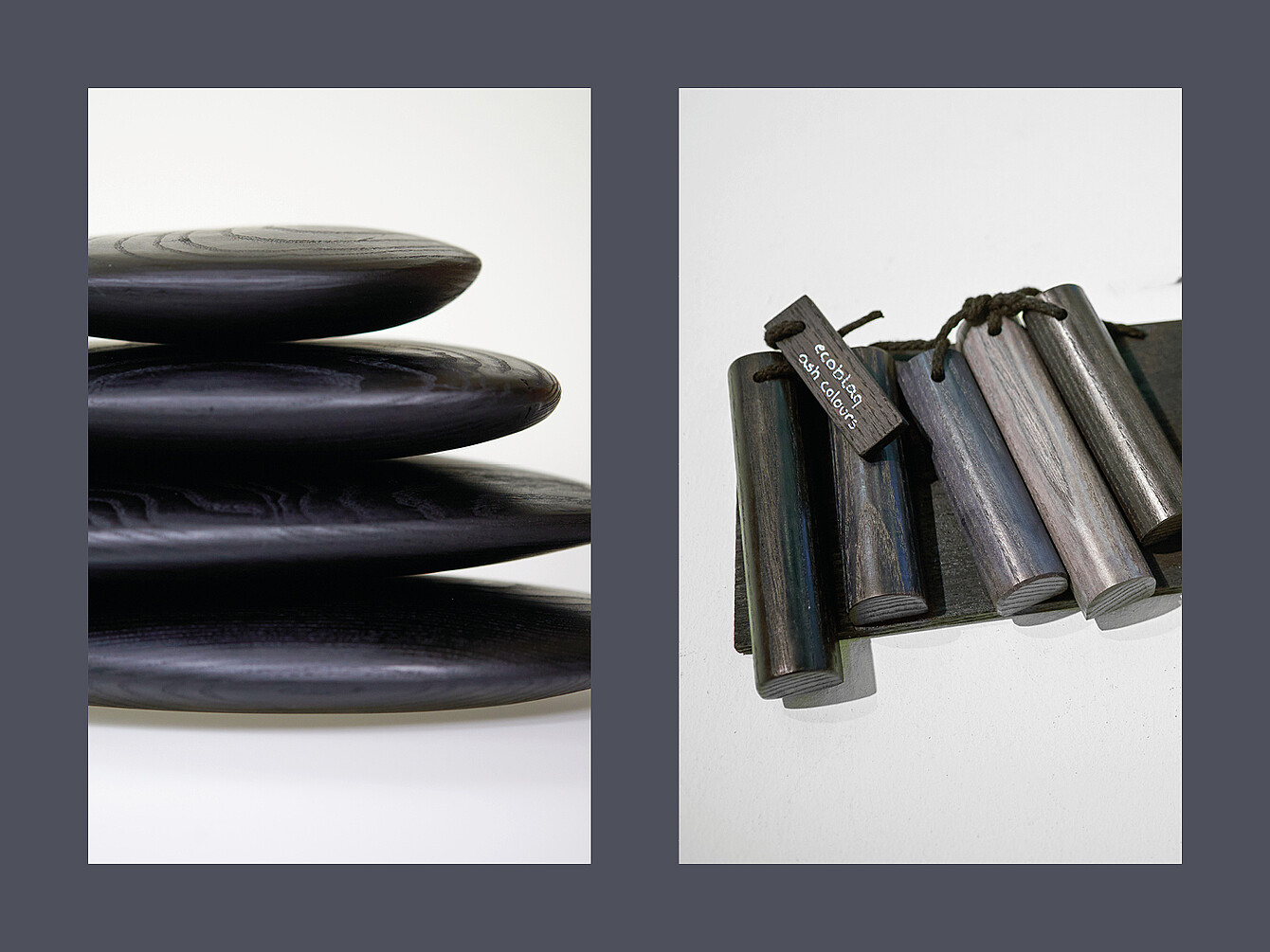
The Danish start-up “Ecoblaq” dyes wood without using pigments, plastics or toxic chemicals. The colouring process is based on a complex molecular reaction within the wood itself.
Rethinking design: materiality as the key to sustainable design
Responsible materials are changing the understanding of design. They shift the focus to long-term value rather than short-lived trends. They encourage circular thinking and show that sustainability is not an ‘add-on’ but a defining design element.
In modern offices, materiality can thus become a central building block for wellbeing, identity and productivity. It combines ecological responsibility with emotional quality and creates spaces that inspire and where people enjoy working.
Examples that show where the journey is headed
It is already clear today how diverse and trend-setting new materials can be. Whether bio-based foams, plastic-free panel materials, low-dye wood technologies or textile innovations from renewable raw materials - the range is growing rapidly. Many of these materials are made from waste materials, natural fibres or cellulose-based components and show how resources can be returned to new cycles.
Other examples demonstrate how natural processes can be used to improve surfaces or make materials functionally more intelligent. They all have one thing in common: they open up new design freedoms, conserve resources and demonstrate the potential of responsibly developed materials.
More on this topic in the Sedus LOOKBOOK N° 03
In the latest issue of the Sedus LOOKBOOK, we devote an entire chapter to the topic of ‘Materiality’. You can order the entire issue of the magazine free of charge by email here.

social media channels: