
From workplace to experiential space
By 2026, the office will transform from a functional workplace into an emotional experience space. Companies are increasingly recognising that physical working environments have a direct influence on motivation, creativity and loyalty.
This means that spaces must offer more than just desks. They are becoming places for interaction, exchange and identification. Instead of compulsory attendance, genuine added value emerges – the office becomes a destination.

Hybrid work as a foundation – but reimagined
Hybrid working will remain a central component of modern working environments in 2026. However, the decisive factor is no longer the ‘if’, but the ‘how’.
New approaches focus on the intelligent integration of remote work and periods of on-site presence:
- Focused work is often carried out remotely
- Collaboration and creativity take place in the office
- Workspaces are used flexibly rather than assigned as fixed workstations
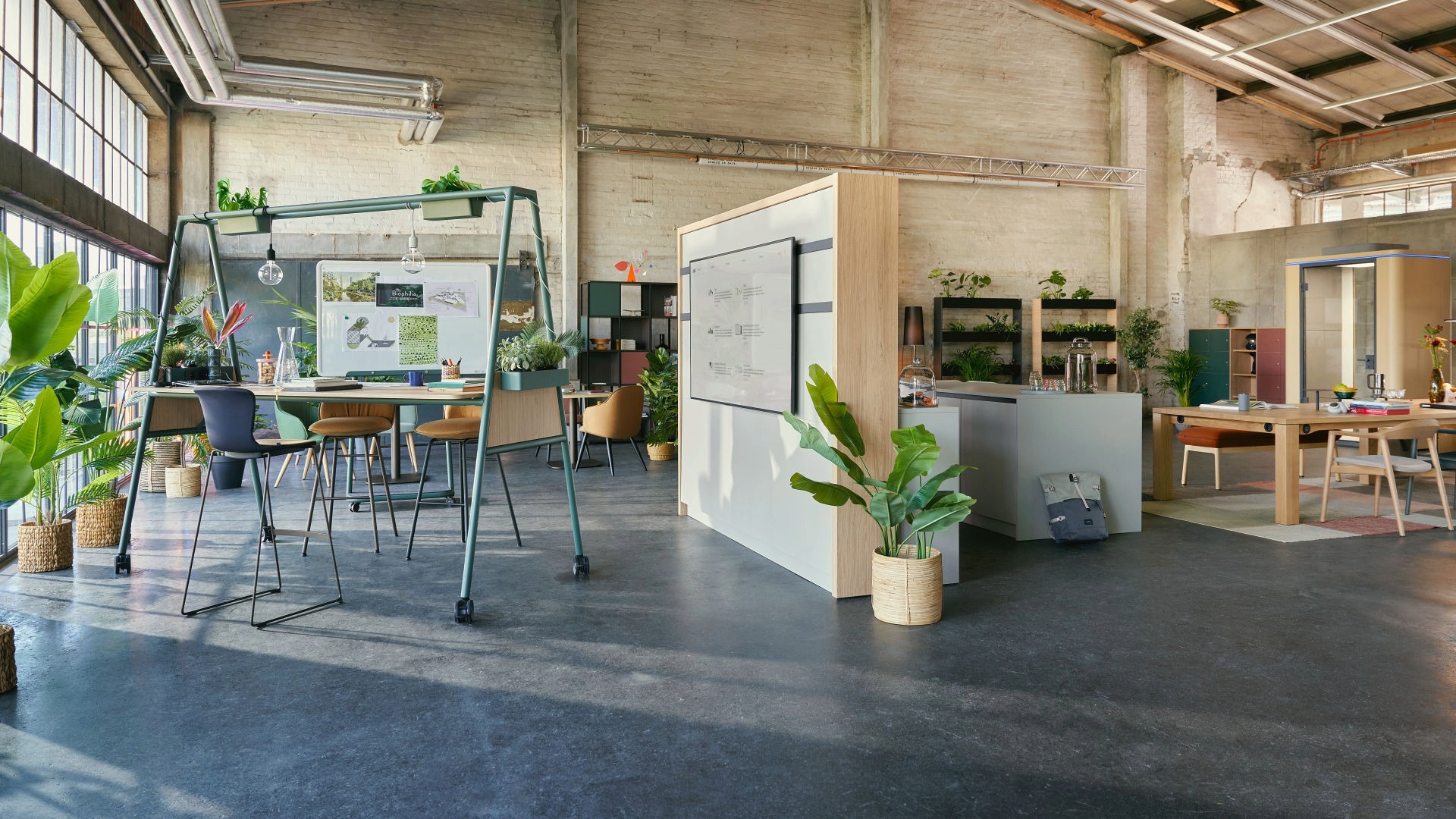
Concepts such as activity-based working enable employees to choose the right environnment for each task - from quiet retreat areas to collaborative team spaces. The result is greater autonomy, higher productivity and more efficient use of space.
Sustainability becomes a design principle
A key driver of office trends in 2026 is sustainability – no longer as an add-on, but as an integral part of the design.
Companies are increasingly focusing on:
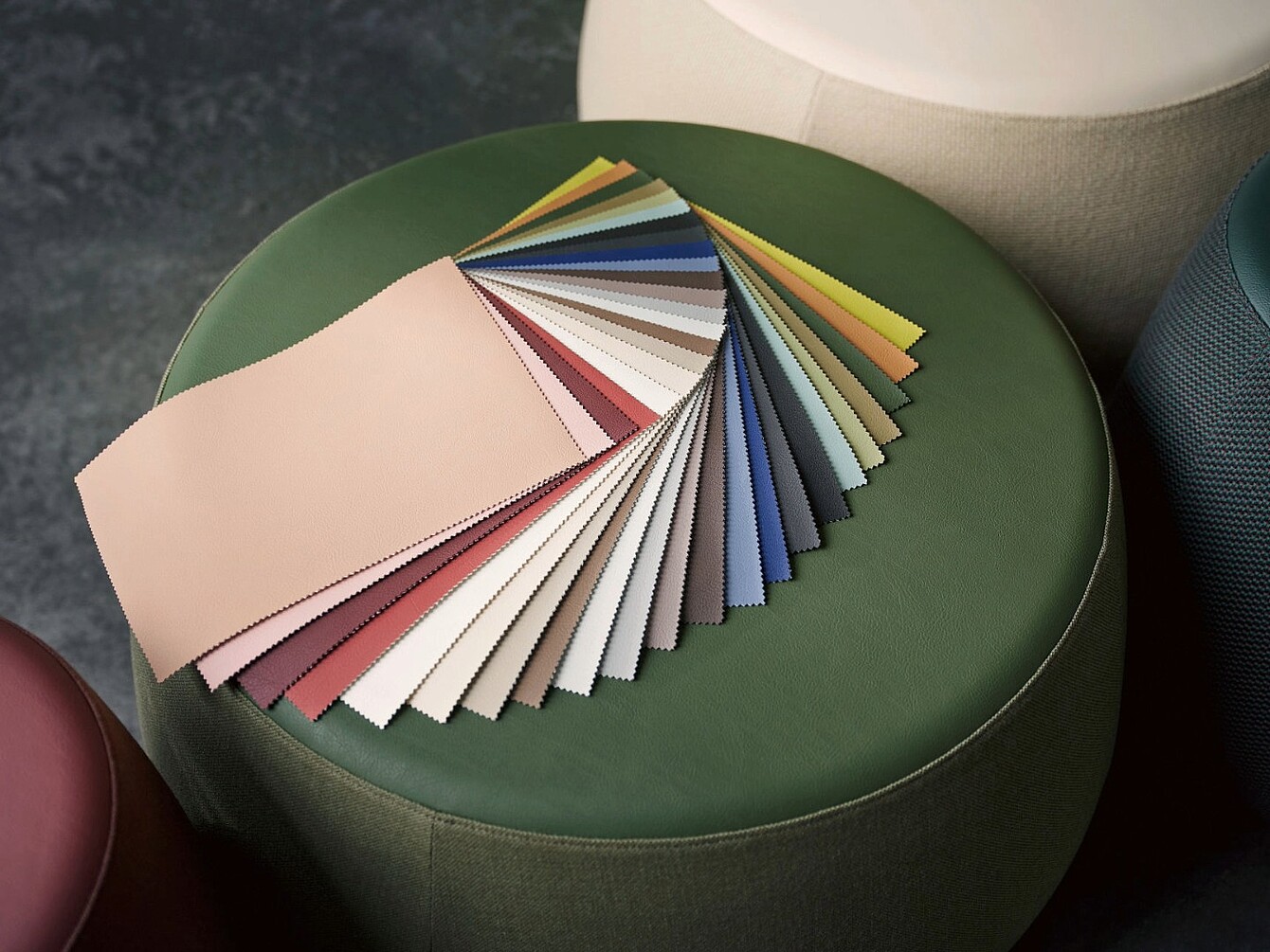
- Durable materials
- Resource-efficient production processes
- Flexible furniture concepts with a long service life
- Energy-efficient buildings
At the same time, the concept of regenerative design is gaining in importance: working environments should actively support recovery, enhance well-being, and contribute to overall balance.
Technology: Invisible, but effective
Technology is shaping the future of work – though increasingly in the background. Instead of visible technology, the principle of ‘calm technology’ is taking centre stage: solutions that operate intuitively and support day-to-day work without causing disruption.
These include:
- Smart booking systems for workspaces
- AI-powered tools for organisation and communication
- Automated building control
Importantly, people remain at the centre. After all, technology only has a positive impact when it is meaningfully integrated and builds trust.
Well-being as a key to success
The future of work is inextricably linked to the concept of well-being. Companies are increasingly investing in work environments that actively support health and mental balance.
Typical features include:
- Rest areas and quiet rooms
- Ergonomic workstations
- Opportunities for physical activity in the office
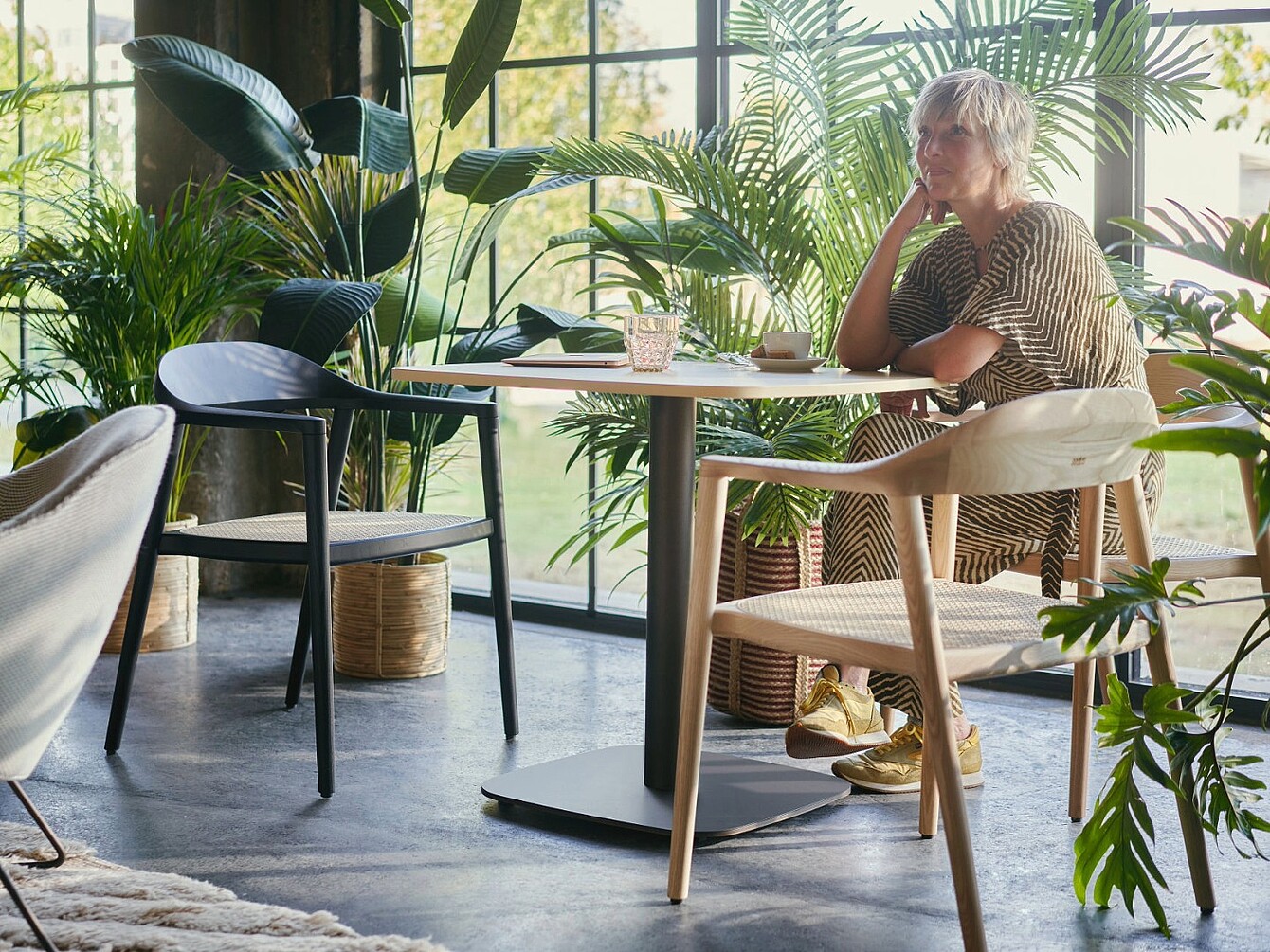
- Biophilic design incorporating plants and natural materials
The rationale is clear: Satisfied employees are more productive, more creative and more committed in the long term.
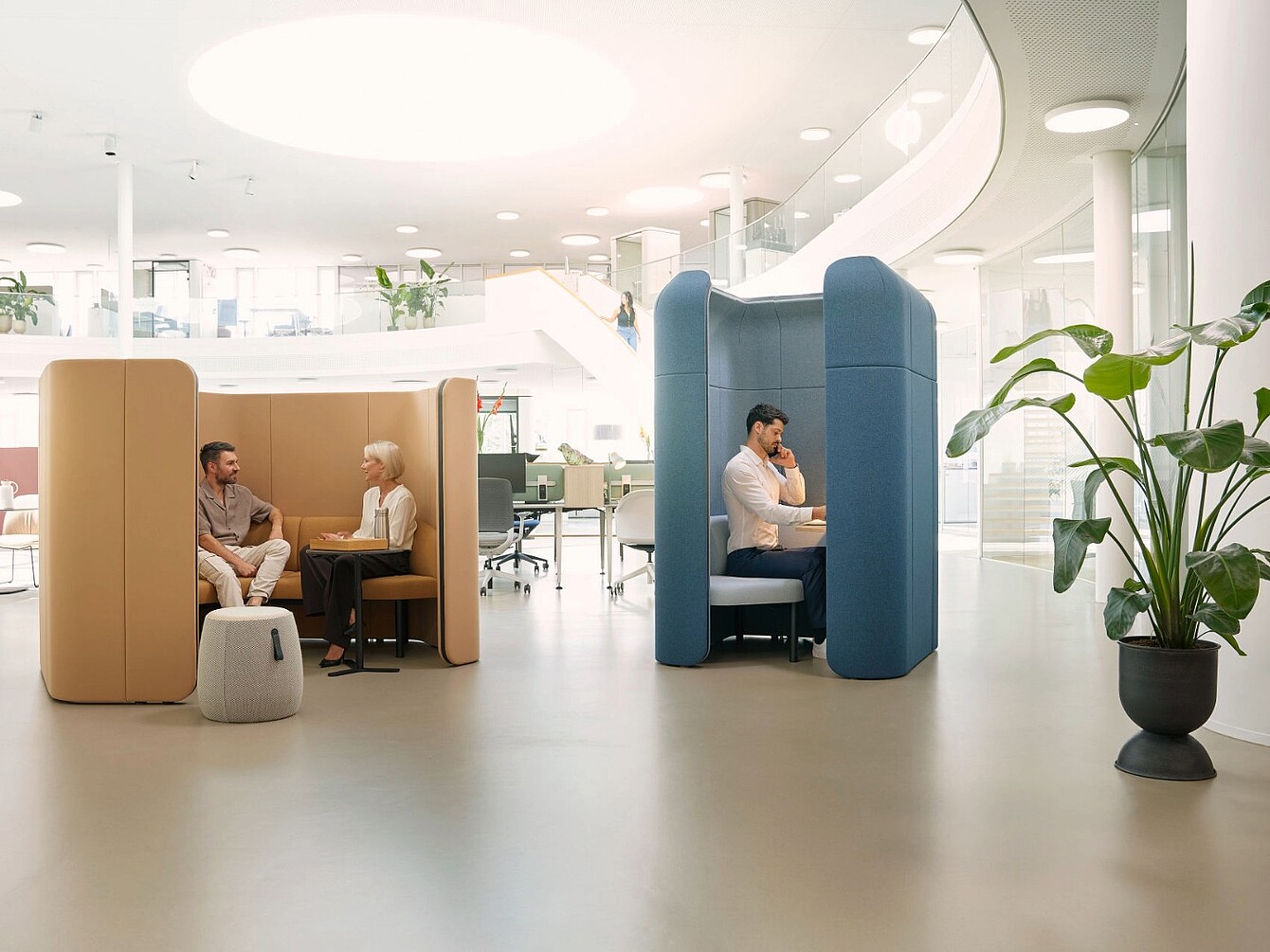
Office space is being used in a more flexible and smarter way
The traditional office structure with fixed workstations is becoming increasingly obsolete. Instead, dynamic spaces are emerging that can be adapted as needed.
Typical developments:
- Modular space concepts
- Multifunctional spaces
- Desk sharing and flexible occupancy
- Integration of co-working elements
The office thus becomes a hub for collaboration that continuously adapts to new requirements.
Office trends for 2026 as an opportunity for businesses
The office trends for 2026 make it clear: the future of work is flexible, sustainable and people-centred.
Companies that actively embrace these developments stand to benefit in several ways:
- Stronger employer appeal
- Improved employee retention
- Greater innovative capacity
The office is thus becoming a decisive competitive factor – not as a place of obligation, but as a space of opportunity.

social media channels: