
Starting at Sedus: First impressions
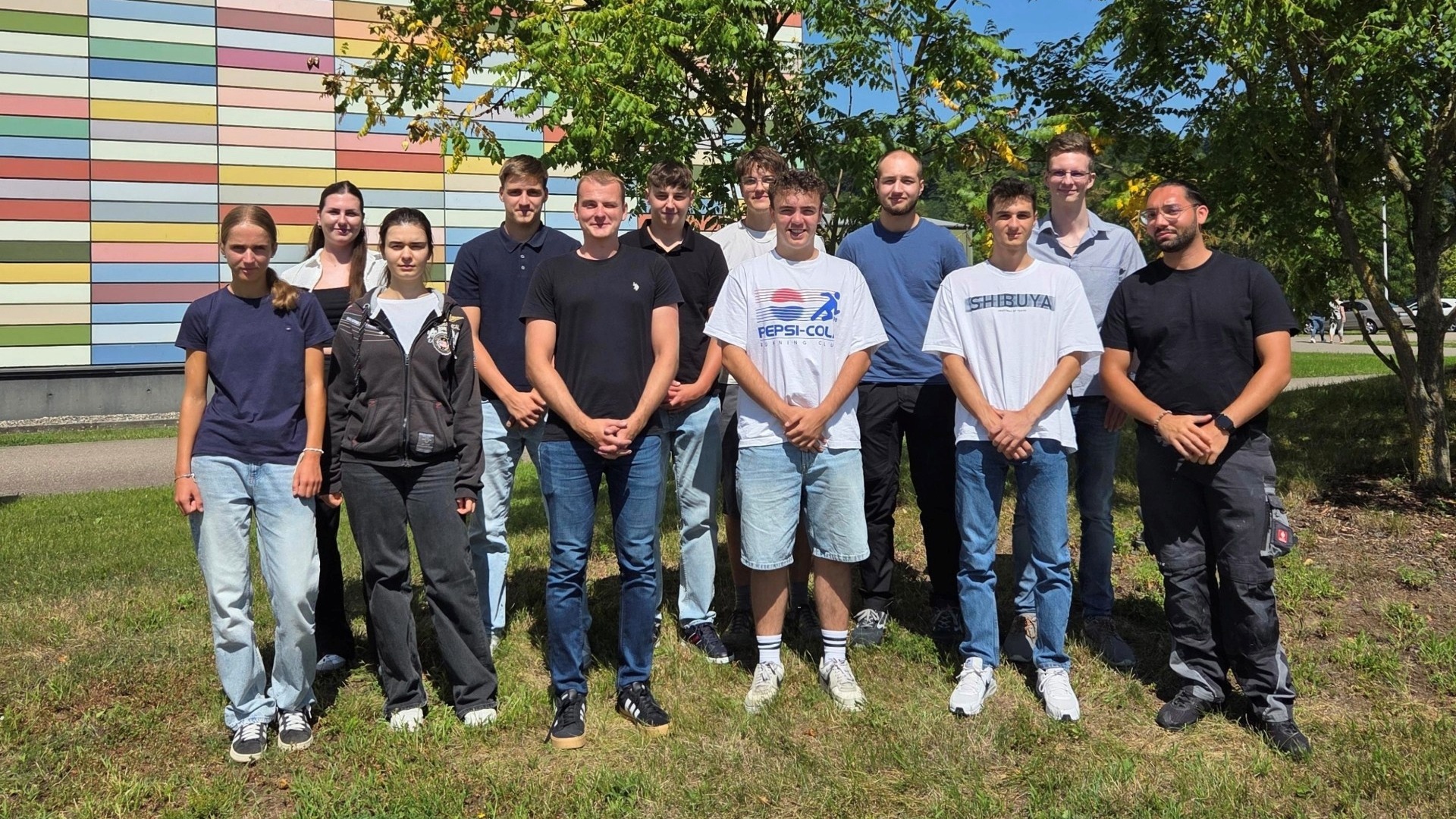
For many trainees, starting at Sedus begins with an intensive induction phase. In the first few days, they get to know not only the company but also their new colleagues.
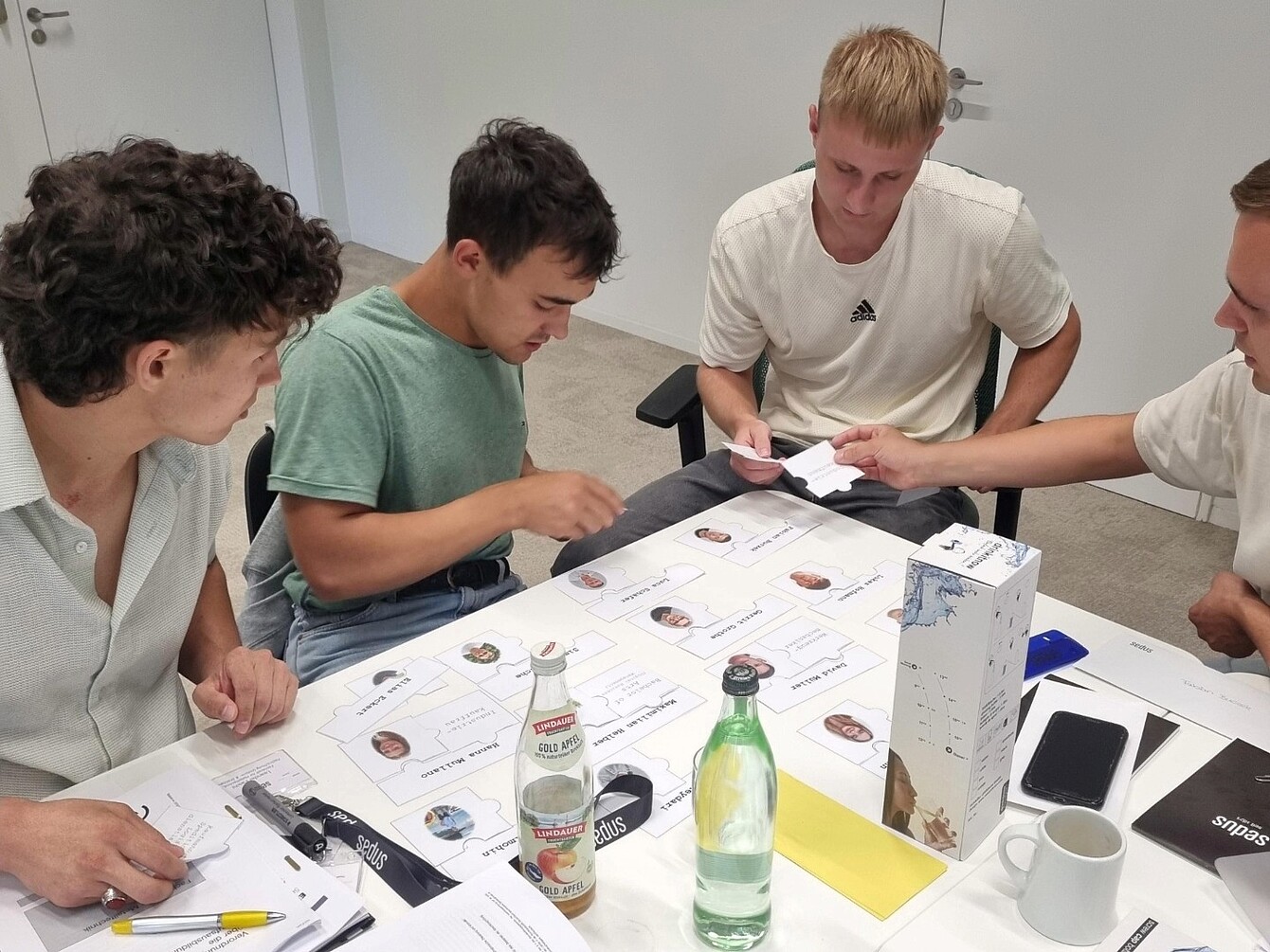
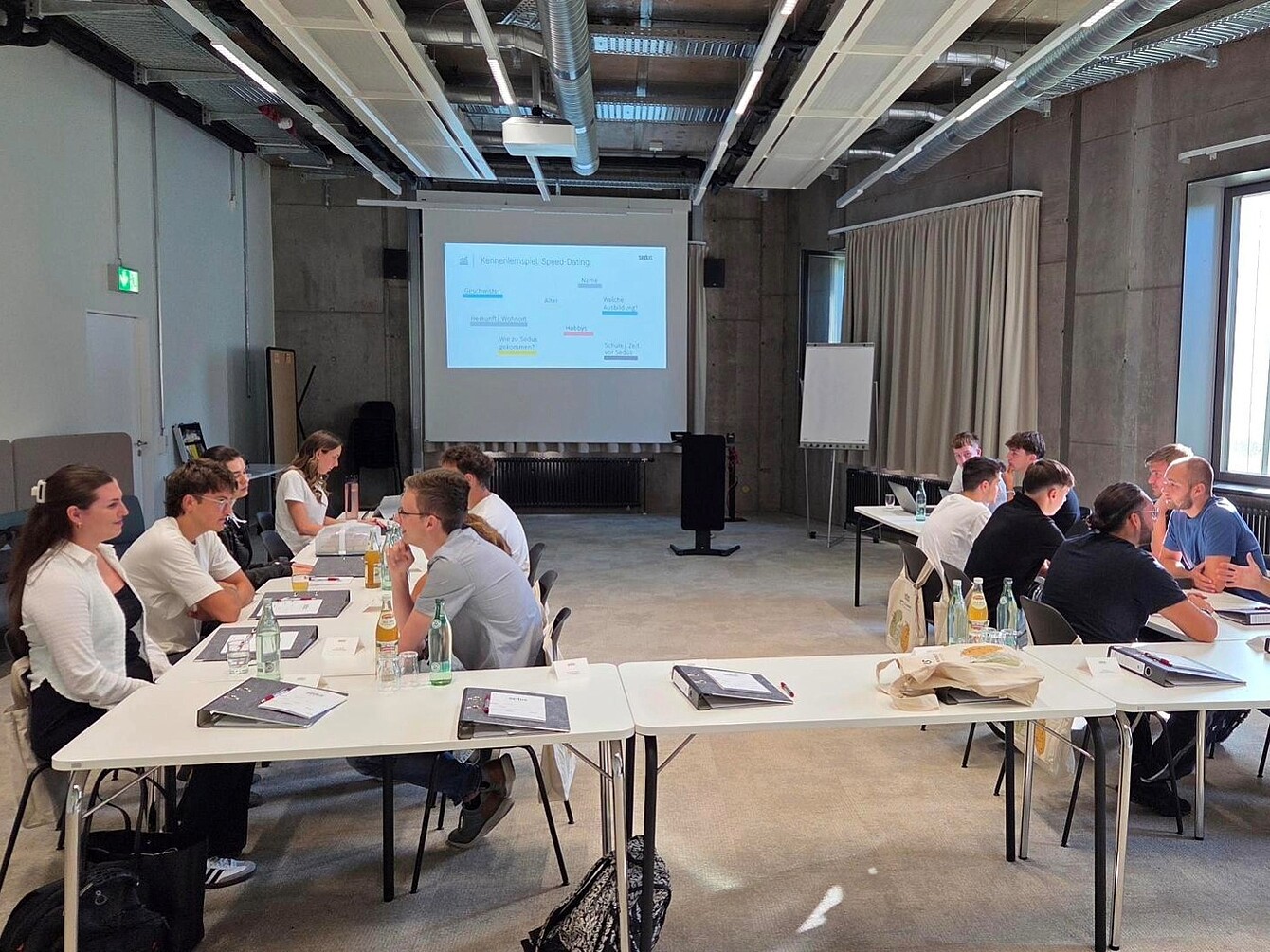
Anne recalls this time: “In the first week, we got to know Sedus through presentations and a factory tour. There were also team-building games to get to know the other new trainees and students better.”
Paula also describes the induction as well-organised. She found it particularly helpful that support was always available: “Asking questions in the department and also speaking to trainees from previous years really helps you settle in quickly.”
What surprises many is just how open and helpful the environment is. “At the start, I was pleasantly surprised by how helpful and friendly everyone was,” says Paula.
Variety instead of routine
A typical working day at Sedus can vary greatly, depending on the apprenticeship and department.
For Dennis, a second-year logistics apprentice, everyday life is particularly dynamic. “No two days are the same,” he explains. “In logistics, it’s all about ensuring the right goods in the right quantities reach the customer at the right place and at the right time.”
His tasks include, amongst other things:
- Planning shipments
- Preparing shipping documents
- Communicating with logistics service providers
- Coordinating with other departments
Nicolas also works on a variety of tasks every day. As a trainee IT specialist for system integration, he is primarily responsible for IT support and technical infrastructure. “I check tickets, set up new laptops and deal with issues in first-level support,” he explains. If more serious problems arise, these are forwarded to specialists – a standard procedure in a company’s IT organisation.
Responsibility even during training
Many trainees at Sedus take on their own tasks early on.
Anne recalls her first project in purchasing: “My first project was requesting discounts from suppliers. This involved setting percentage rates beforehand and then negotiating them over the phone.”
Dennis was also able to take on responsibility quickly. A project involving the trainee Instagram account, for which he is solely responsible for the content, has had a particularly formative influence on him.
Nicolas also talks about an early project: “I installed and set up the ‘Threema Work’ messenger on the management team’s devices. I was entirely responsible for this.”
Learning on the job
Many of the things you need in day-to-day work can only be learnt on the job.
Paula puts it this way: “I’ve learnt what everyday working life is really like and how important teamwork and responsibility are.”
Anne also sees practical experience as a major benefit of the training: “You get to know the entire plant, as well as the staff and processes.”
In addition to day-to-day work, there are also targeted training courses, for example on SAP or telephone communication, which make the transition into the world of work easier.
Collaboration within the company
An important part of the training at Sedus is collaboration between different departments.
Dennis explains why this is particularly crucial in logistics: “Dispatch is the final stage before the goods go to the customer. That’s why it’s important to work with lots of departments.”
Nicolas also finds the collaboration within the company to be very open: “If there are issues, we simply approach one another and resolve them together.”
Work-life balance and training culture
As well as the work itself, the working environment also plays an important role.
Many trainees appreciate the flexible working hours. The flexitime scheme makes it easy to balance work and personal commitments.
There are also regular team activities.
Personal highlights include, for example:
- Trainee outings
- Sports events such as the Sedus RUN
- Joint Christmas parties
Paula has particularly fond memories of a Christmas party that included a visit to the Christmas market followed by an evening of bowling.
Tips for future applicants
What advice do the trainees have for future applicants?
The most important advice: be open and show interest.
Anne also recommends doing an internship beforehand to get to know the company better.
Dennis emphasises that motivation is more important than school grades: “Motivation, personality and commitment count for more here than perfect grades.”
And Nicolas sums up his experience quite simply: “Just be yourself.”
Conclusion
Training at Sedus is characterised by varied tasks, early responsibility and a strong team spirit.
Whether in logistics, IT or commercial training, the trainees’ experiences have one thing in common: you don’t just work alongside others, you become an active part of the company.
Or as Dennis puts it: “You’re right in the thick of things and can see the results of your work straight away.”

social media channels: