
Concentration Is Not a Constant State
A key shift lies in how we understand attention itself. Concentration is not a stable condition but a dynamic process, heavily influenced by external factors. It can take up to 30 minutes to enter a state of deep focus - and even then, it can only be sustained for a limited time.
At the same time, everyday work reveals how fragile this state is. Interruptions, noise, or visual distractions repeatedly pull people out of focus. The result is not only reduced productivity but also noticeable mental fatigue.
If concentration is neither automatic nor constant, the question becomes: what kind of spatial conditions does it actually require?
Moving Beyond Uniform Space
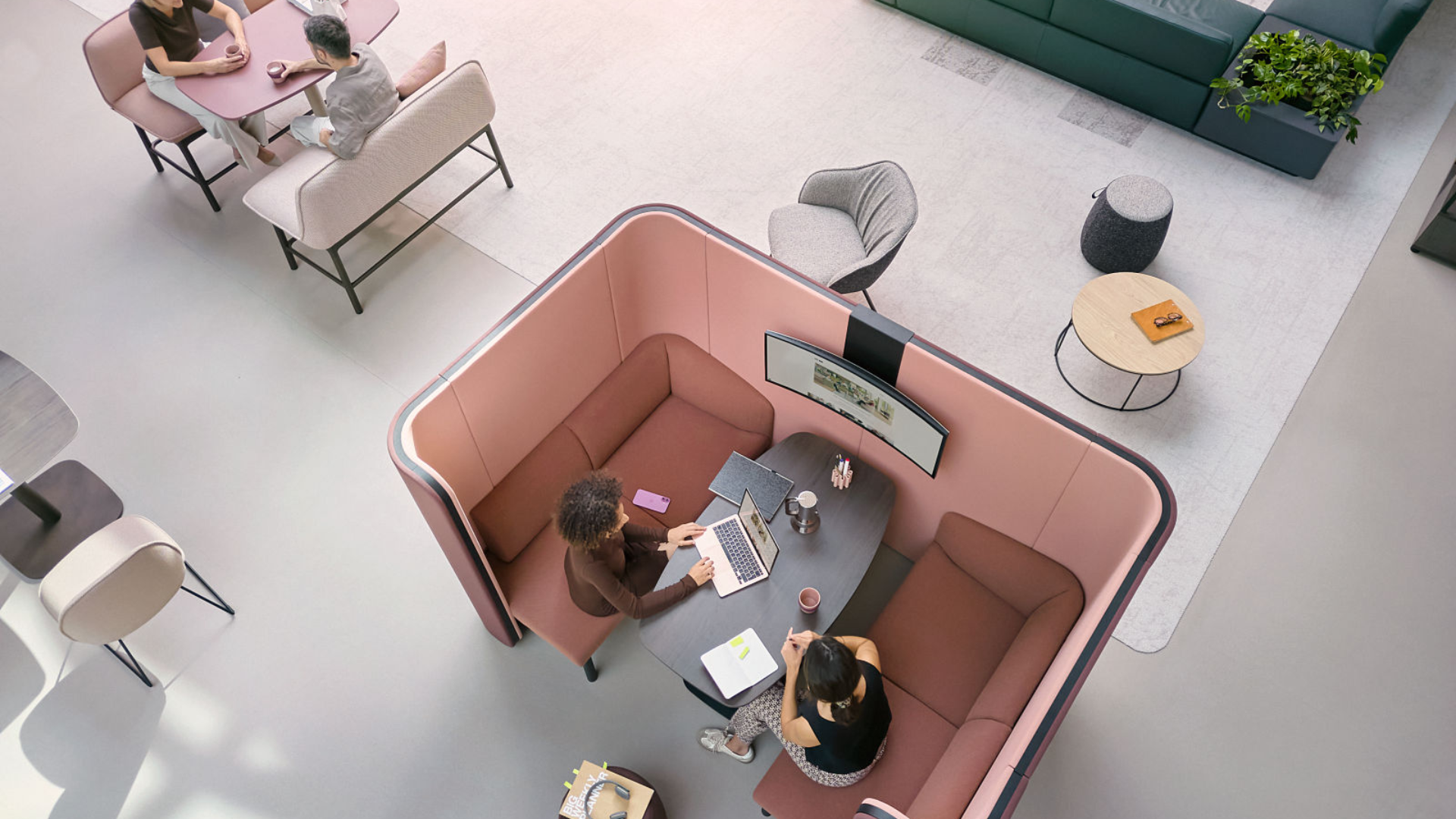
The answer lies in diversity. Different tasks demand different levels of attention - and therefore different spatial qualities. There is a clear distinction between informal interaction, routine work and cognitively demanding tasks.
Sedus INSIGHTS highlight that workplaces must reflect these differences. Instead of uniform layouts, a sequence of spaces emerges, each supporting different forms of concentration - from lively, socially oriented areas to quiet, shielded retreats.
This principle is described as cognitive zoning: a design approach that is guided not primarily by function, but by the required level of sensory stimulation.
Spaces Work Through the Senses
What is often underestimated is that spaces influence concentration not only through their use, but through their sensory impact. Light, acoustics, materials and visual stimuli interact to shape how an environment is perceived.
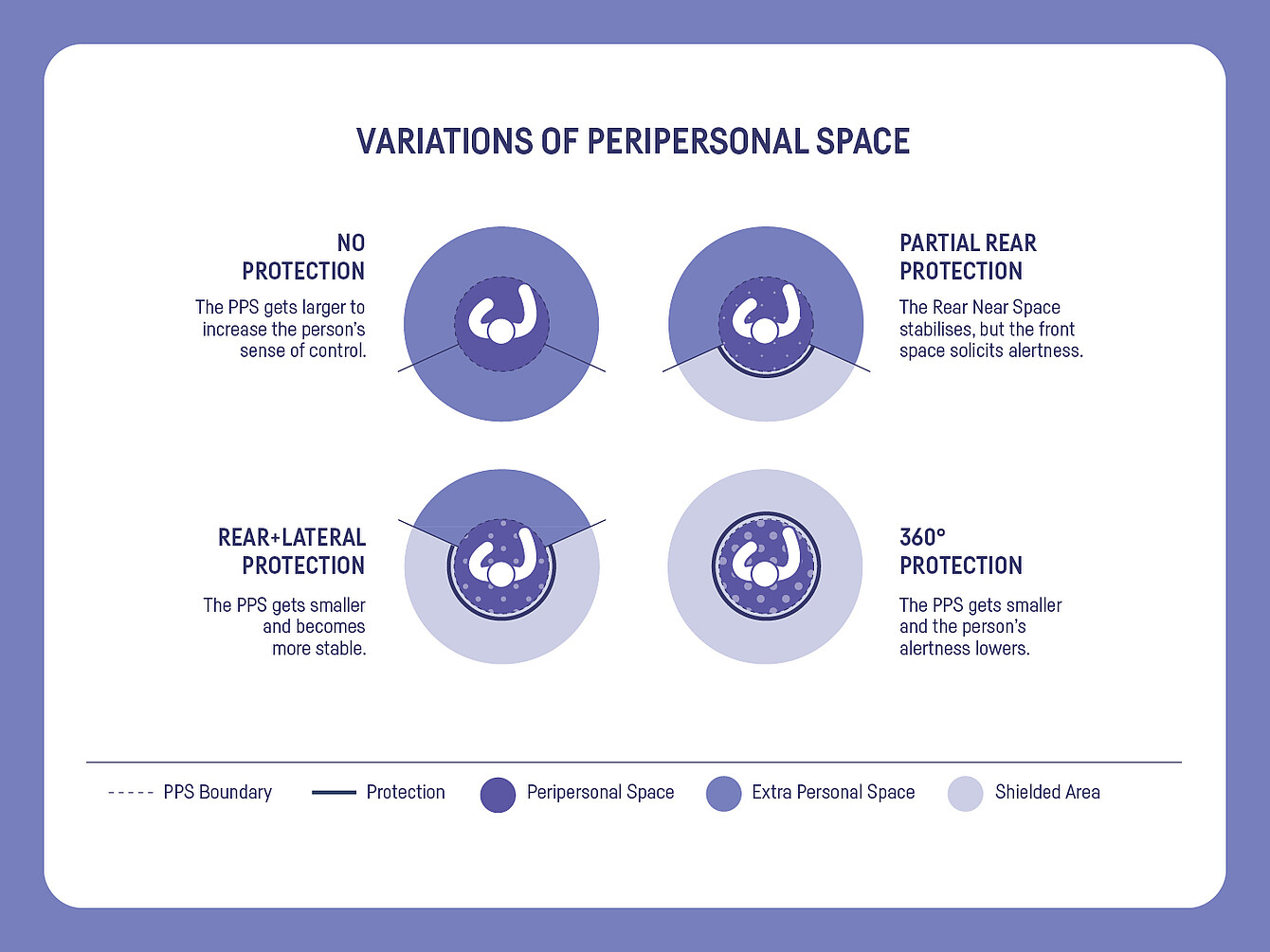
A key concept here is the so-called peripersonal space - the immediate area around the body where sensory information is processed. When this space is disrupted by excessive or inappropriate stimuli, it becomes difficult to maintain attention. Conversely, stability emerges when the environment is perceived as coherent and controllable.
Spaces that support concentration are therefore neither devoid of stimuli nor randomly designed. Instead, they are defined by a precise calibration of sensory input.
Between Retreat and Openness
In practice, there is no single ideal space for focused work. Quality arises from the interplay of different spatial typologies.
Enclosed or semi-enclosed areas provide protection from visual and acoustic distractions, enabling deep concentration. At the same time, open and informal settings are needed for lighter tasks or moments when thoughts need to stay in motion. In between lie transitional zones - places for short breaks, mental resets or spontaneous withdrawal.
These intermediate spaces are particularly important. They allow people to shift between different states of attention without disrupting their workflow.
Design Means Offering Choice
Another essential aspect is the ability to consciously choose where to work. Concentration is closely linked to a sense of control - over both the task at hand and the surrounding environment.
Workplaces that offer a range of options support this self-regulation. People can select the space that best suits their task, their state of mind or their personal preference. This flexibility is not merely a matter of comfort, but a key factor in performance and well-being.
Multisensory Design as a Planning Principle
As our understanding of neurophysiological processes grows, multisensory design is gaining increasing importance. Daylight, acoustics, tactile materials and natural elements do not act in isolation, but as an interconnected system.
Particularly effective are environments that offer soft, coherent stimuli - such as filtered light, warm materials or biophilic elements. They support not only concentration, but also recovery between periods of intense work.
This marks a shift in perspective: away from purely spatial organisation towards a deeper understanding of how spaces are experienced.
The Office as a Calibrated Ecosystem
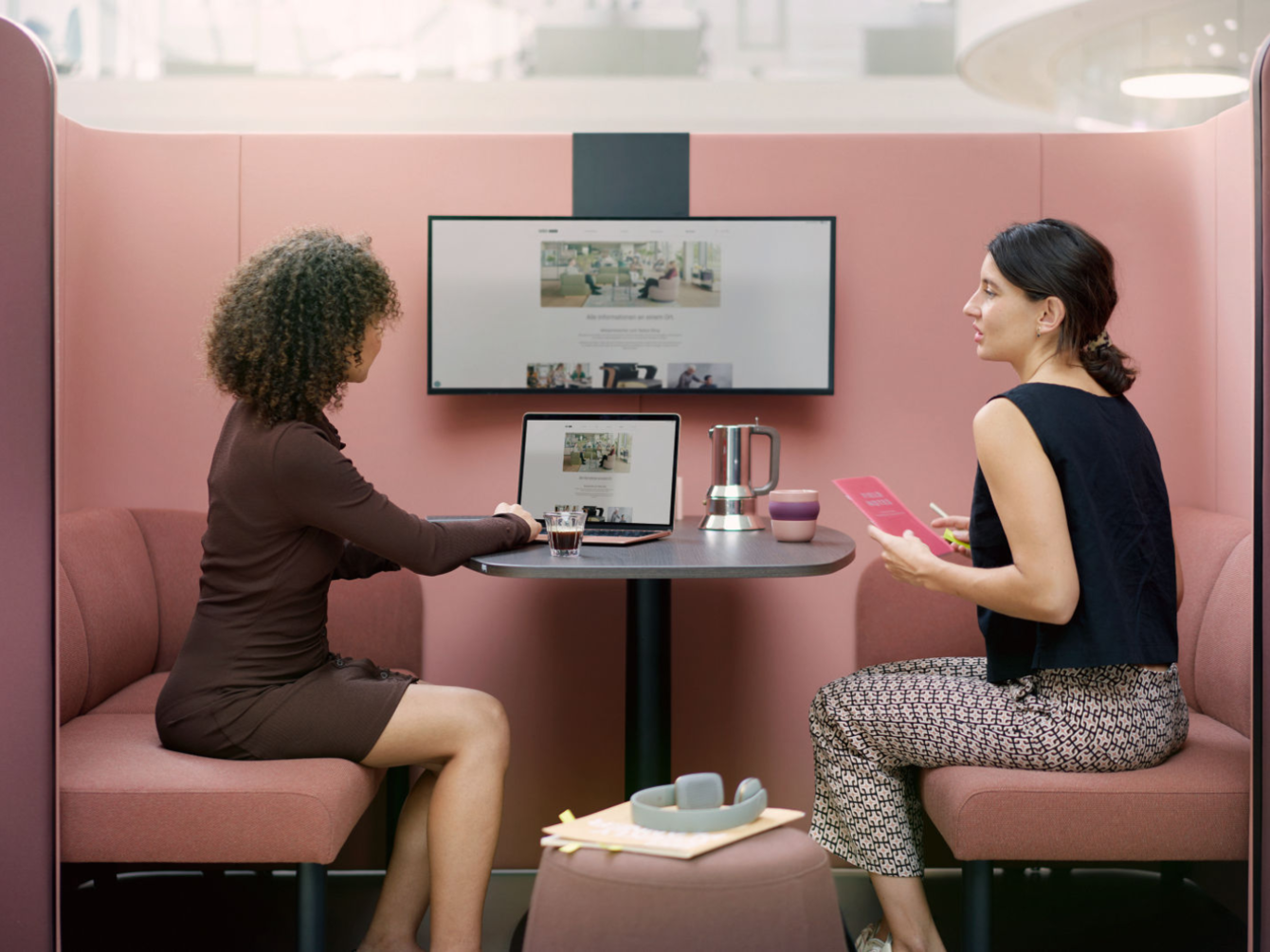
The examples presented in Sedus INSIGHTS show how this approach is already being implemented in practice. Work environments are increasingly understood as interconnected systems, where different zones are carefully orchestrated. Areas of high activity and low stimulation are deliberately separated and linked through fluid transitions.
The result is not a rigid structure, but a spatial continuum that adapts to users’ needs and can be used differently throughout the day.
Conclusion
The design of workplaces is evolving. Uniform layouts are giving way to differentiated, sensorially graded environments. Cognitive zoning provides a clear framework for this shift, combining research and practice into an approach that does not leave concentration to chance, but actively enables it.
The office thus becomes more than a place to work. It becomes an environment that guides attention, regulates energy and supports different modes of thinking.
Or put simply:
Great workplaces are created where spaces understand what people need in the moment.

social media channels: