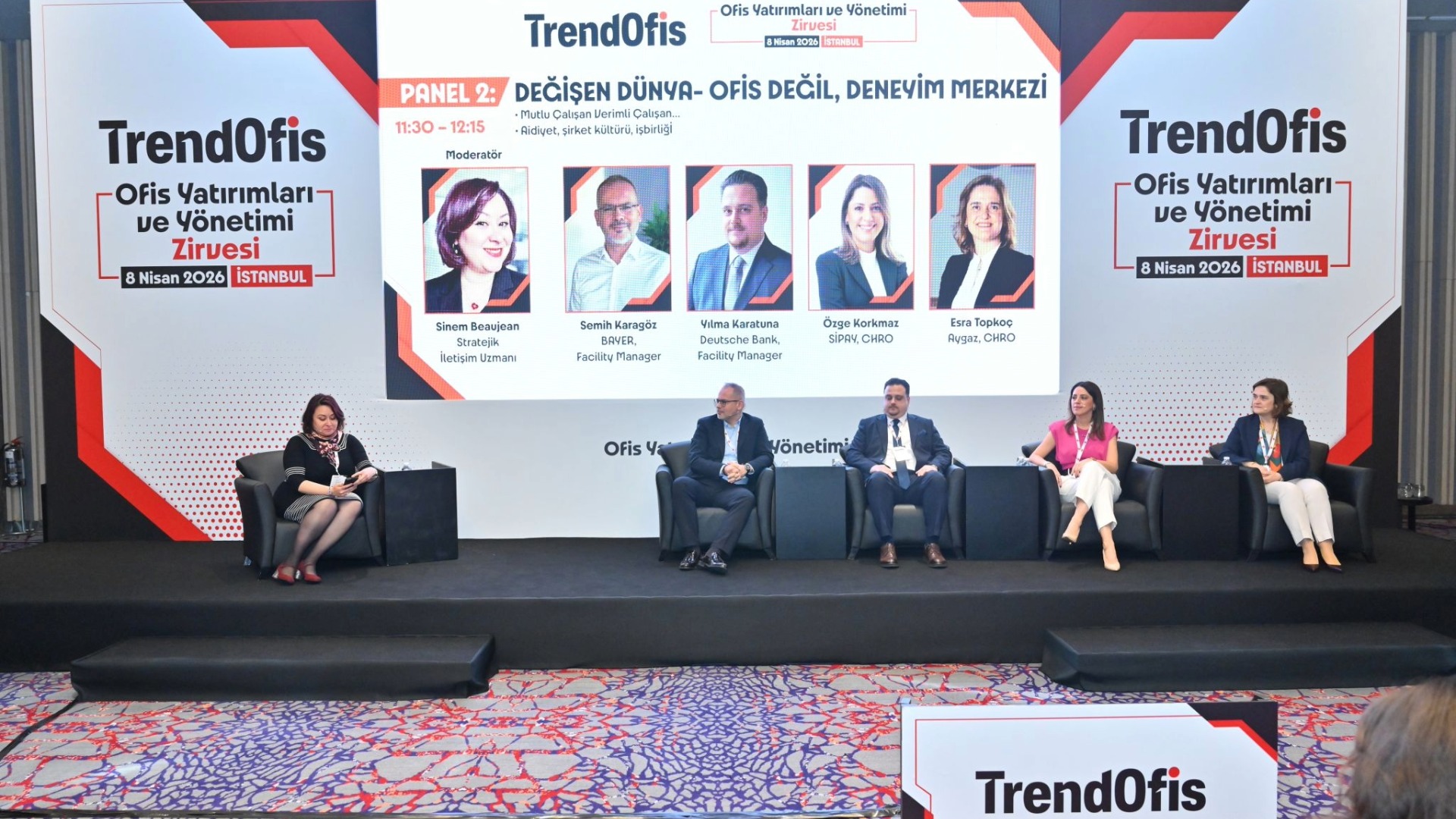

During the panel discussion, “The office is no longer a place, but an experience centre”, leaders from HR, Facility Management and Corporate Real Estate shared how their organisations are adapting to this shift. Despite different industries and organisational cultures, their perspectives aligned on one point.
The workplace is now judged as a whole experience. And hospitality is becoming a key driver of that experience.
This resonates strongly with what we observe at Sedus. The workplace is not only a functional environment. It is a space that shapes behaviours, emotions and connections. Designing it means designing how people feel, interact and perform.
The office as a lived experience
For years, workplace strategy focused on efficiency, density and standardisation. Today, the question has changed.
Why should employees come to the office?
The answers shared in Istanbul were clear. People come for connection, for energy, for ease in their daily routines, and for a sense of belonging. The office needs to offer something they cannot fully replicate elsewhere.
At Sipay, this shift is already embedded in their approach. As Özge Korkmaz, CHRO, explained, employees are not seen as passive users of the workplace, but as active contributors to its design. Data is collected continuously through engagement surveys and one-to-one conversations, and the office evolves accordingly.
This approach leads to concrete decisions. Shared learning spaces encourage peer-to-peer knowledge exchange. Small but meaningful services, such as hygiene kits available in restrooms, respond to real daily needs, from commuting to lunchtime activities.
These choices reflect a broader reality. The workplace is no longer a fixed asset. It is a living environment that adapts to people, their rhythms, and their expectations.
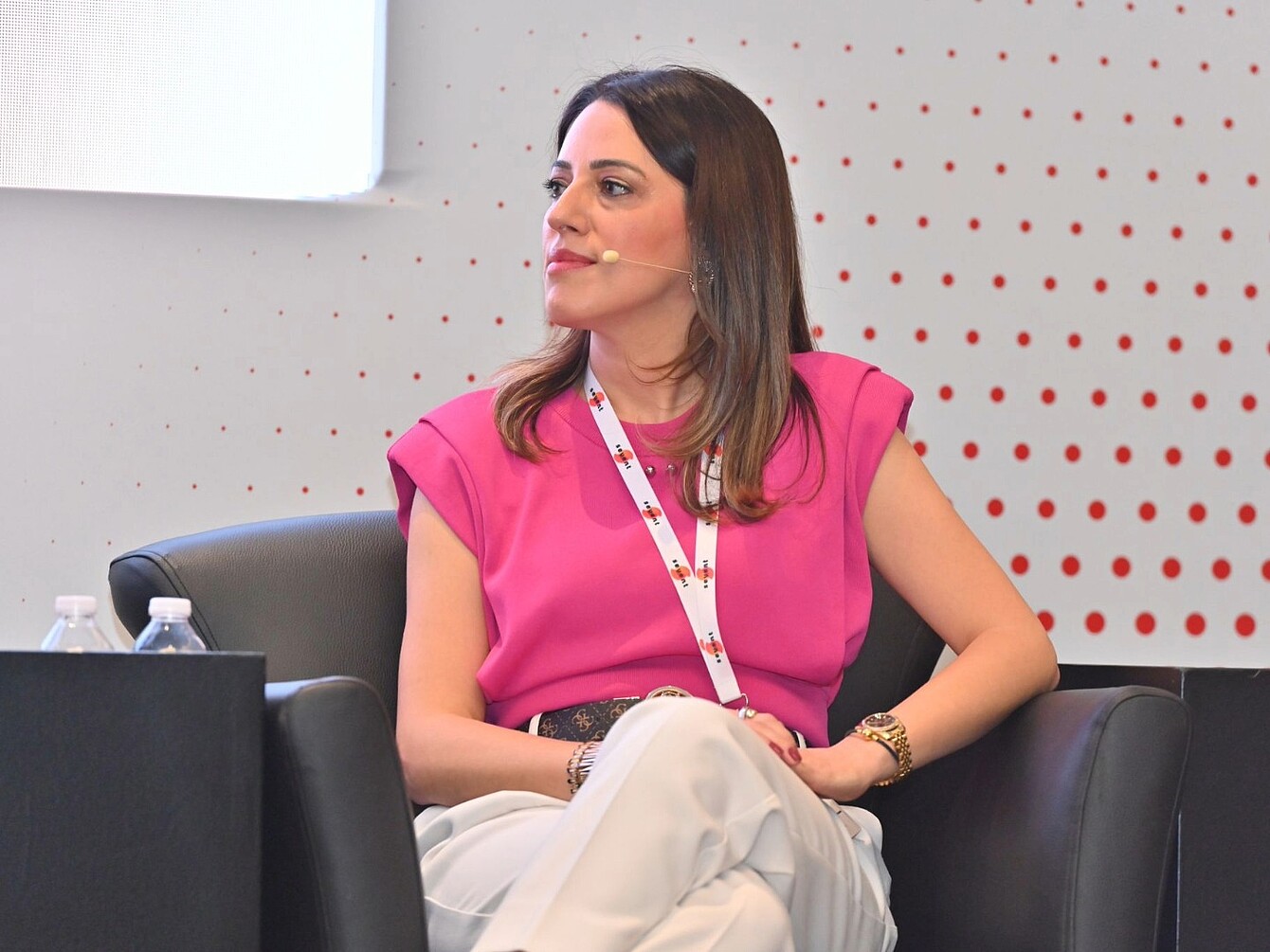
Özge Korkmaz, CHRO at Sipay
Designing for emotion through small details
One of the most powerful insights from the panel is that employees build emotional attachment through everyday experiences.
At Aygaz, this became visible during a major relocation project. As Esra Topkoç, CHRO, shared, when the company announced the move from a historic building, employees did not ask about square metres or layouts. Their first questions were about the cafeteria, the food, the familiar service staff, and the rituals they were used to.
For many, the workplace was not just a building. It was a place filled with memories, habits and shared moments. Some employees even expressed the feeling of leaving a “family home”.
This highlights a key principle. The value of a workplace lies not only in its design quality, but in its ability to create continuity and meaning.
At Sedus, we often observe that inclusion and well-being are built through these small details. The way a space welcomes you, the comfort of materials, the clarity of circulation, or the possibility to choose how and where to work. These elements create a sense of psychological safety and belonging.
Hospitality is the layer that connects all of this. It translates design into experience.
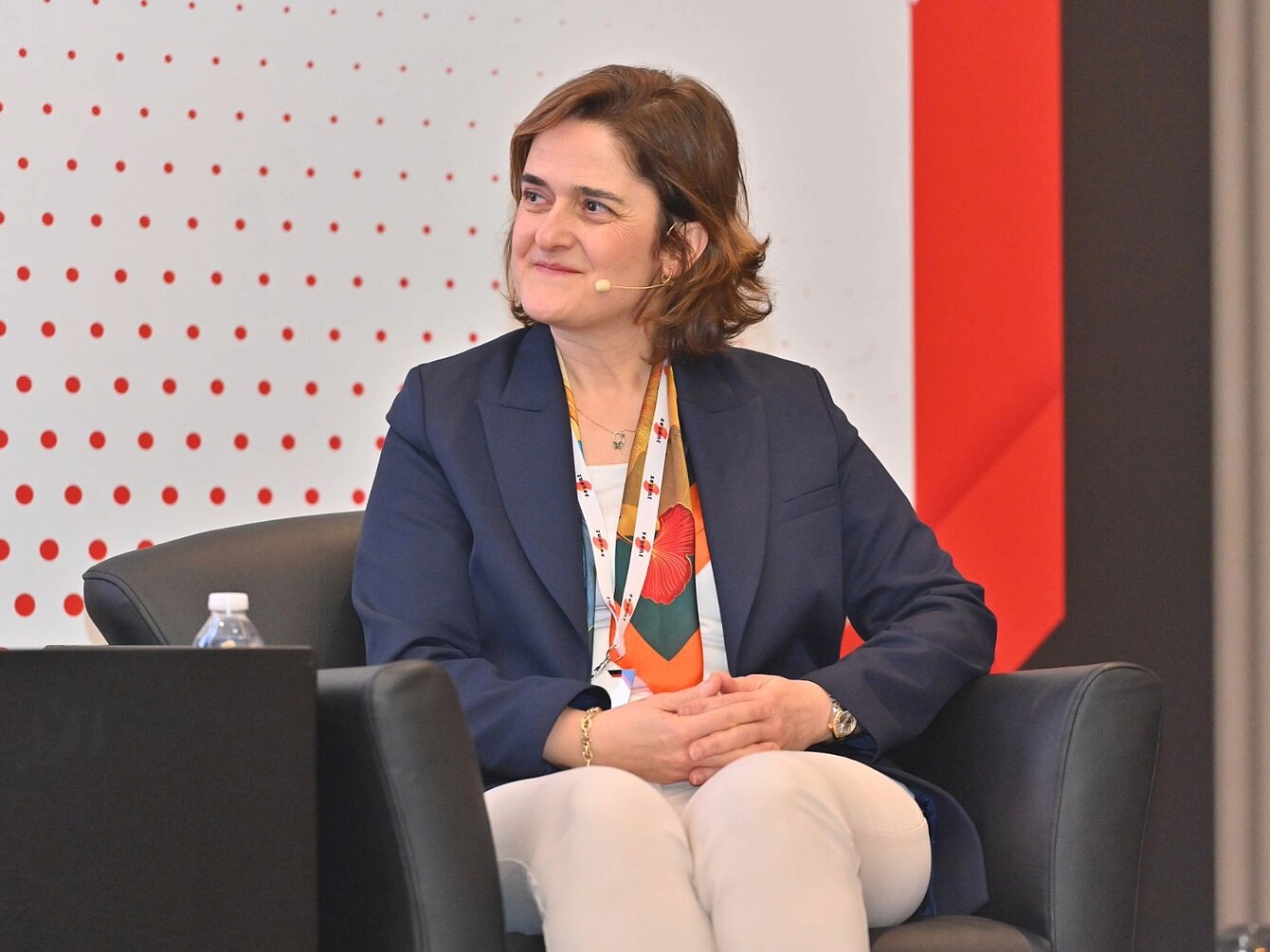
Esra Topkoç, CHRO at Aygaz
Food and beverage as part of the workplace experience
Food was one of the most discussed topics during the Istanbul panel.
Across all organisations represented, food is no longer treated as a simple service. It is a core component of the workplace experience.
At Bayer, Semih Karagöz, Head of Facility Management, explained how hybrid work has transformed expectations. When employees come to the office only a few days a week, each moment needs to bring value. Food becomes a driver of presence.
This has led to several adaptations:
- more flexible meal options
- extended service times
- new formats such as “bowl” stations for quick and healthy meals
- thematic food events that increase office attendance
The impact is visible. Attendance increases on days when the experience is richer.
Food also reduces daily friction. It saves time, simplifies routines, and creates natural opportunities for interaction. As Özge Korkmaz pointed out, deciding what to eat every day is a cognitive load. When the workplace removes that friction, it supports well-being and focus.
This aligns with the broader shift we see in workplace design. Spaces are no longer organised only around tasks. They are organised around moments. Arrival, meeting, eating, focusing, recovering. Each of these moments requires a specific atmosphere and level of comfort.
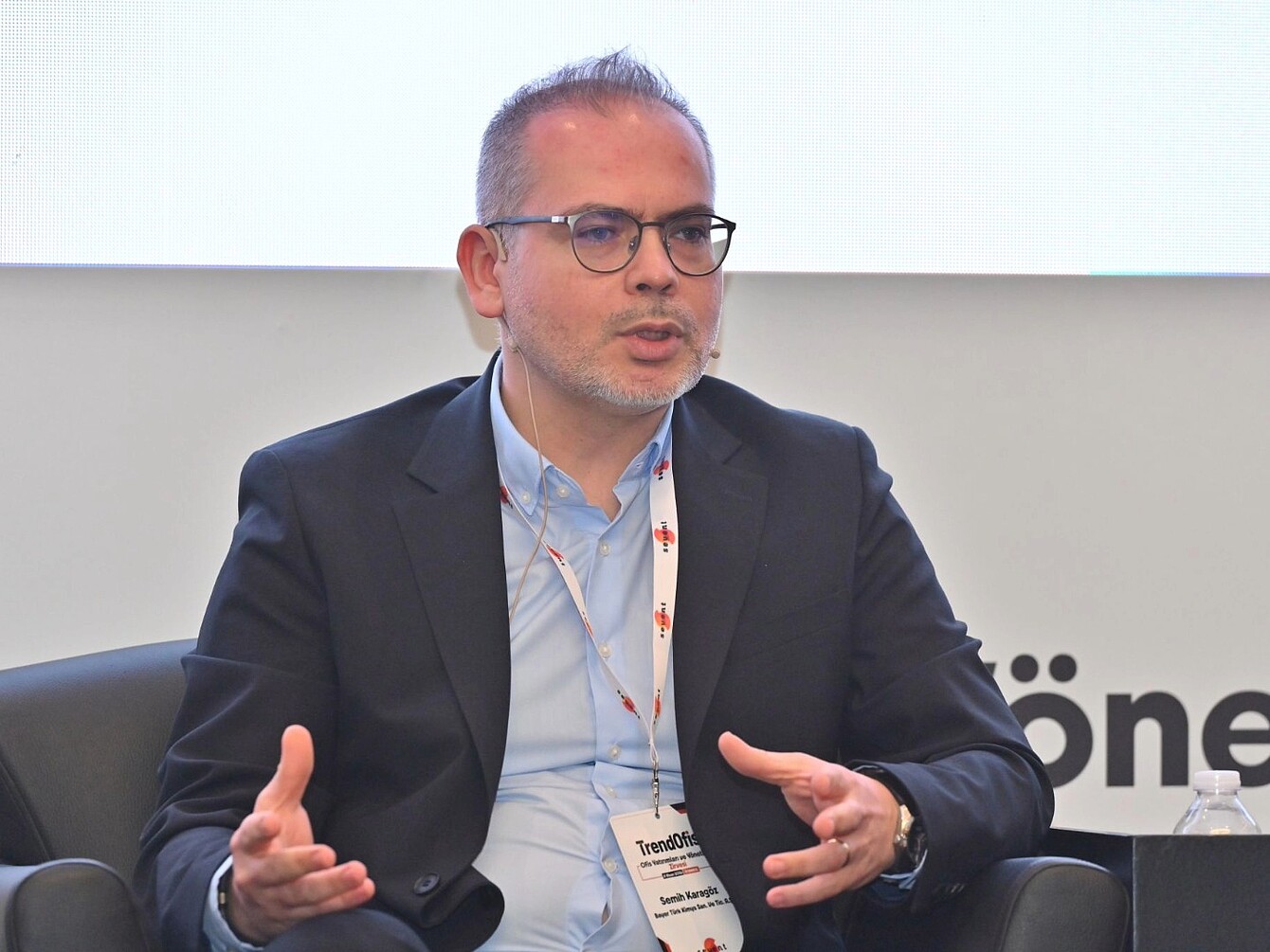
Semih Karagöz, Head of Facility Management at Bayer
Balancing connection and focus
While hospitality enhances the social dimension of the office, it also needs to support concentration and performance.
At Deutsche Bank, represented by Yılma Karatuna from CBRE, workplace strategy is structured around purpose, place, people and performance. This framework reflects the need to align business objectives with human experience.
The office must now accommodate diverse and sometimes conflicting needs. Collaboration and focus. Flexibility and structure. Global coordination and local culture.
This balance sits at the core of the “Mindful Office” approach developed by Sedus.
Rather than optimising for one dominant use, the workplace is designed as a sequence of experiences that support different states throughout the day. Moments of interaction, moments of concentration, moments of pause. Each requires a specific environment, with the right level of stimulation, comfort and control.
In practice, this translates into:
- a wider range of work settings, from open and social to quiet and protected
- dedicated focus areas where interruptions are reduced
- spaces that allow quick transitions between collaboration and individual work
- services and environments that adapt to flexible schedules
Technology and data support this balance. They help organisations understand how spaces are used and adjust them over time.
The challenge is no longer to choose between collaboration and focus. It is to enable both, in a way that feels natural for employees.
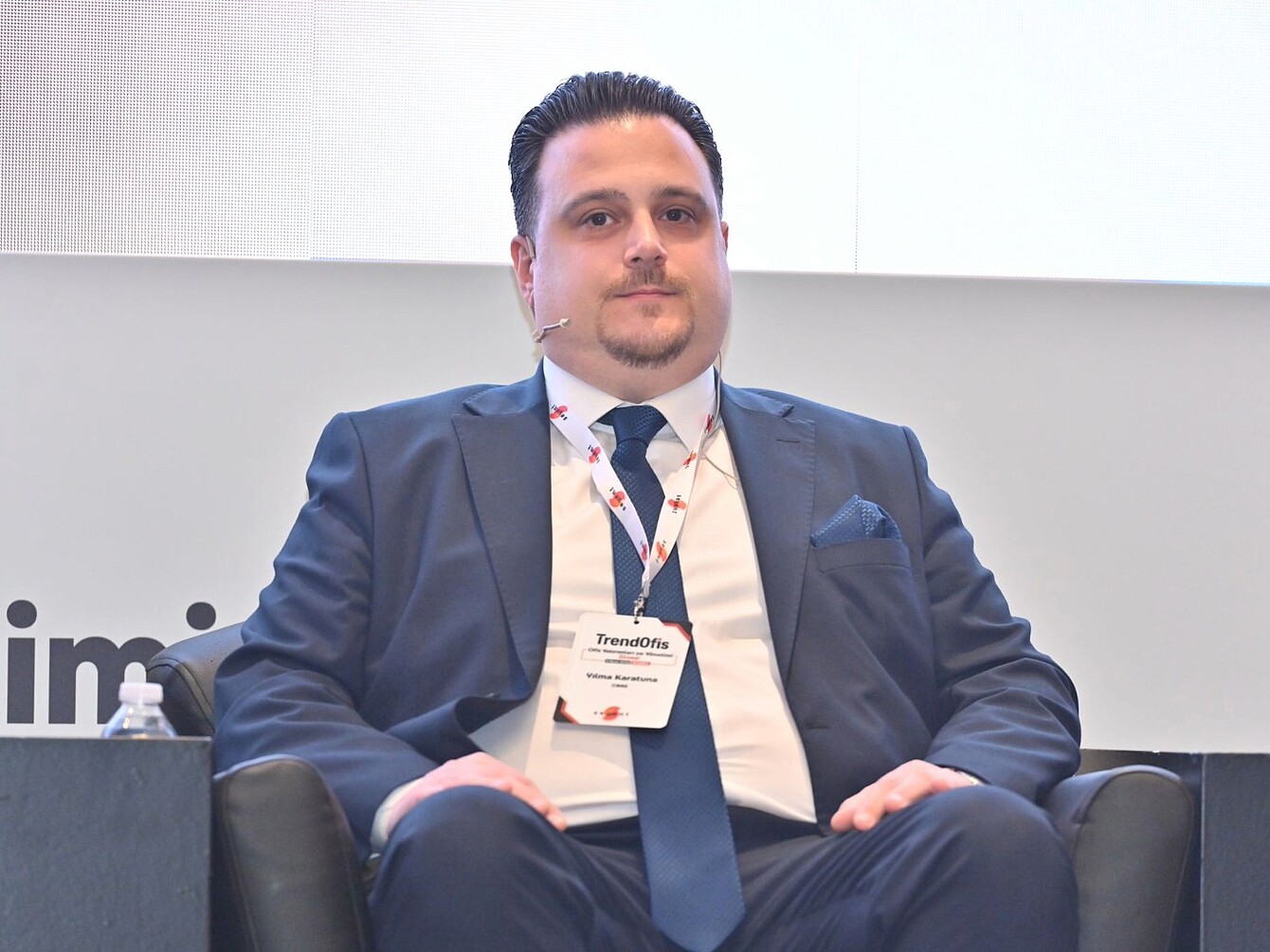
Yılma Karatuna from CBRE
Hospitality as a driver of performance and value
What connects all these examples is a shift in how the workplace is valued.
The office is no longer seen only as a cost centre. It is recognised as a strategic tool to drive engagement, retention and performance.
The indicators shared during the panel are clear:
- higher engagement scores
- lower turnover
- stronger collaboration
- increased attendance when meaningful experiences are offered
At Sipay, engagement levels increased significantly after workplace and HR initiatives, while turnover decreased. These are measurable outcomes.
At Bayer, another dimension emerges. By optimising their real estate footprint, the company was able to lease part of its building. The quality of the workplace experience played a role in attracting a new tenant. Hospitality, in this case, contributes not only to employee experience, but also to business value.
This reflects a broader reality. A well-designed and well-managed workplace creates value beyond its initial function.
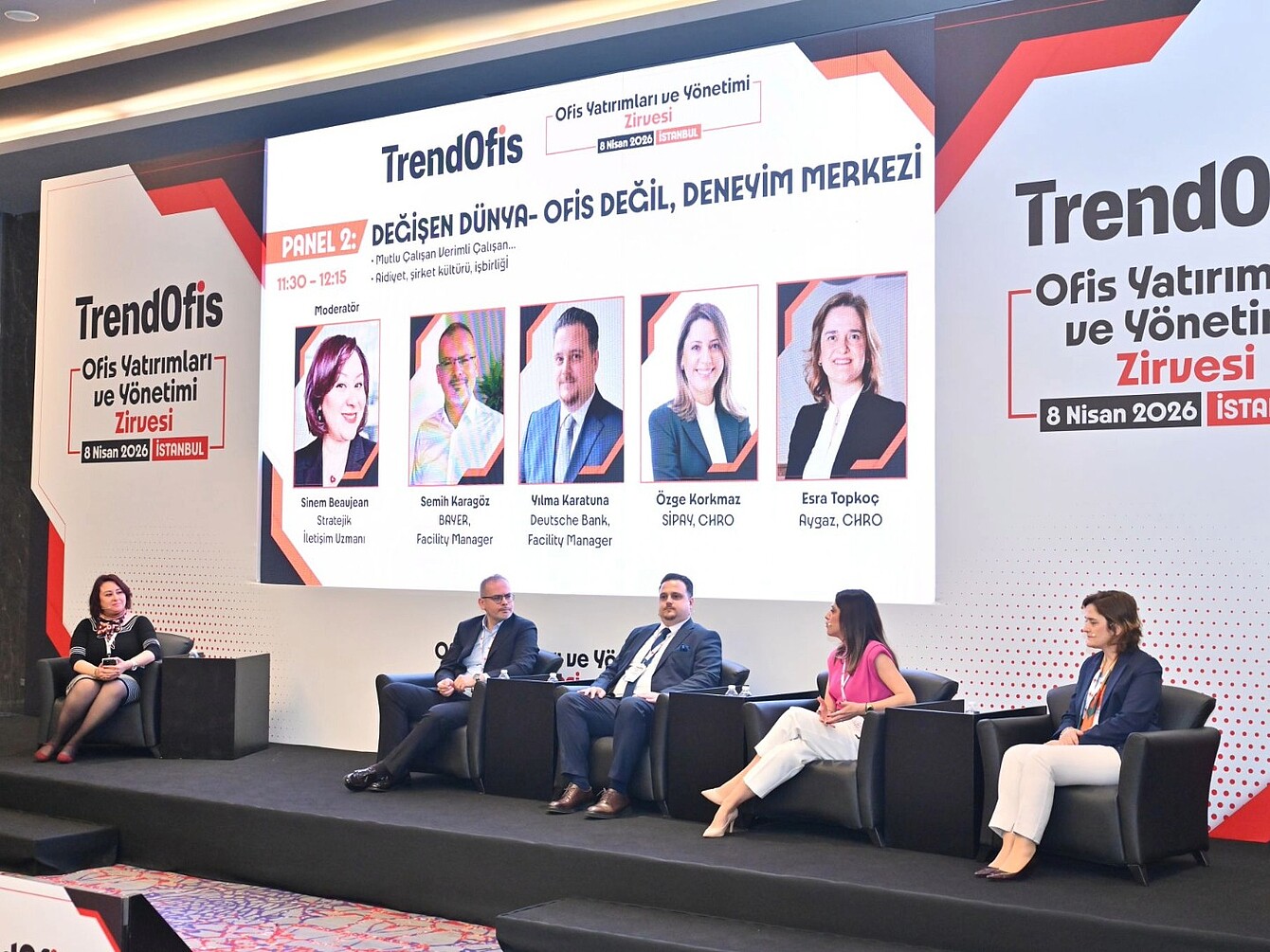
Designing the workplace as a hosted experience
The discussions in Istanbul point towards a clear direction. Designing a workplace today means designing an experience that is intuitive, supportive and human.
One way to read this shift is through four complementary dimensions:
- Welcome, creating clear and warm arrival experiences
- Nourish, offering flexible and high-quality food and beverage environments
- Connect, enabling interaction and shared moments
- Restore, supporting focus, calm and recovery
These dimensions are not new. Most organisations already address them in some way. But they are often fragmented, treated as separate layers rather than as a coherent experience. The challenge today is to bring them together.
At Sedus, this aligns with a broader reflection on how the workplace can support different human states throughout the day. Not only efficiency, but also well-being, inclusion and long-term performance.
This is where approaches such as the “Mindful Office” become relevant. They do not add complexity. They help structure the experience, so that people can move naturally between interaction, focus and recovery.
The office today
The office is no longer the default place to work. It is a destination people choose.
This changes expectations. Employees compare the workplace to any environment where they feel comfortable, efficient and valued.
In this context, hospitality becomes essential. It is what transforms a functional space into a place people want to return to.
The most successful workplaces are not the most complex. They are the ones that understand how to host people.
The conversations in Istanbul made one thing clear. The office today is not only about where we work. It is about how we are welcomed when we get there.
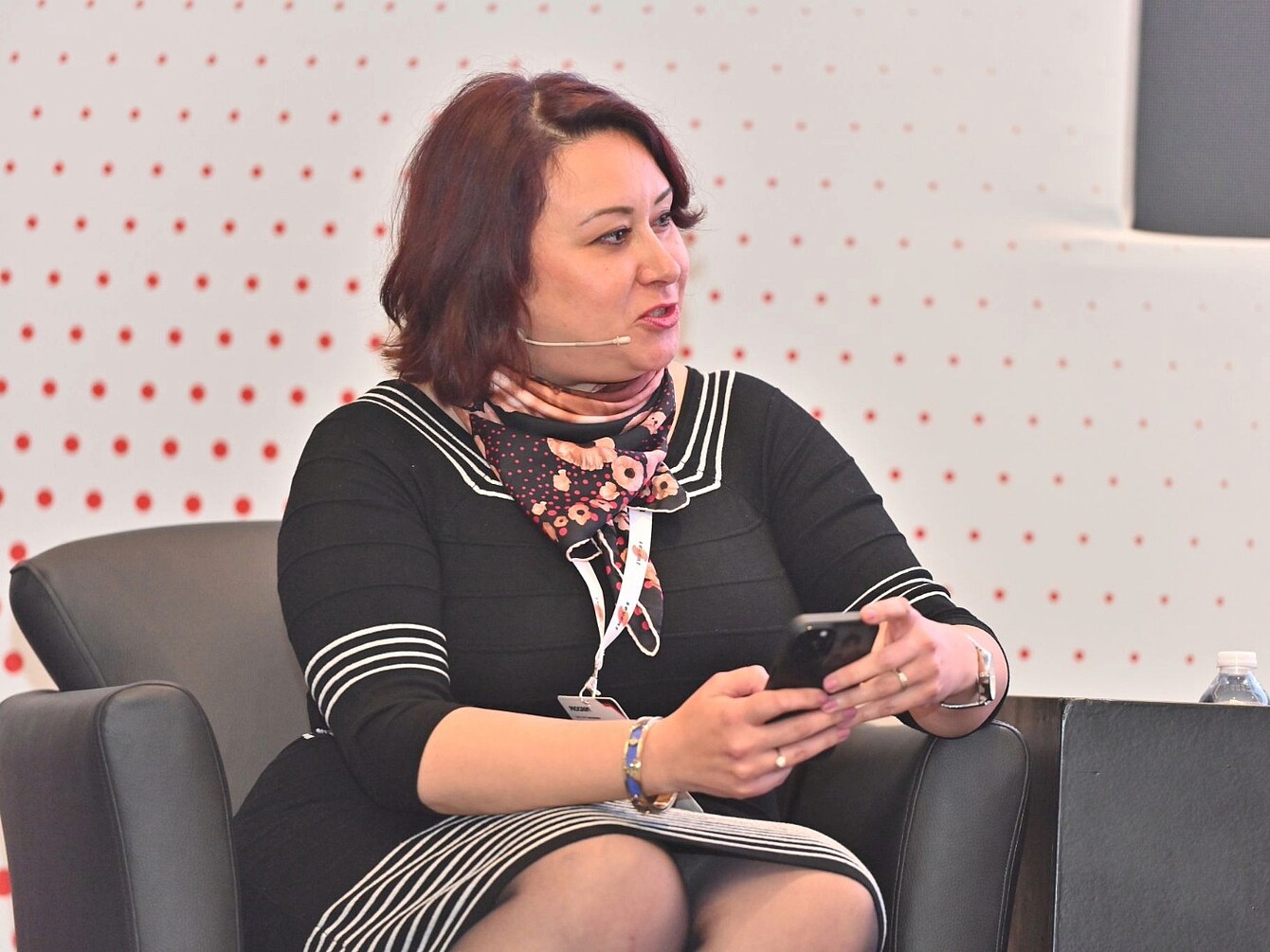
Sinem Beaujean, Global Engagement Strategist at Sedus and panel moderator
About the author
Sinem Beaujean
Sinem Beaujean is a Global Engagement Strategist at Sedus, where she connects corporate real estate leaders, designers and partners around the future of work. With over 15 years of experience in the workplace industry, she operates at the intersection of strategy, design and business development. She is also a contributor to Office ET Culture magazine and actively engaged in industry networks such as CoreNet Global and CREW Network, where she supports knowledge sharing and dialogue across the workplace ecosystem.
social media channels: