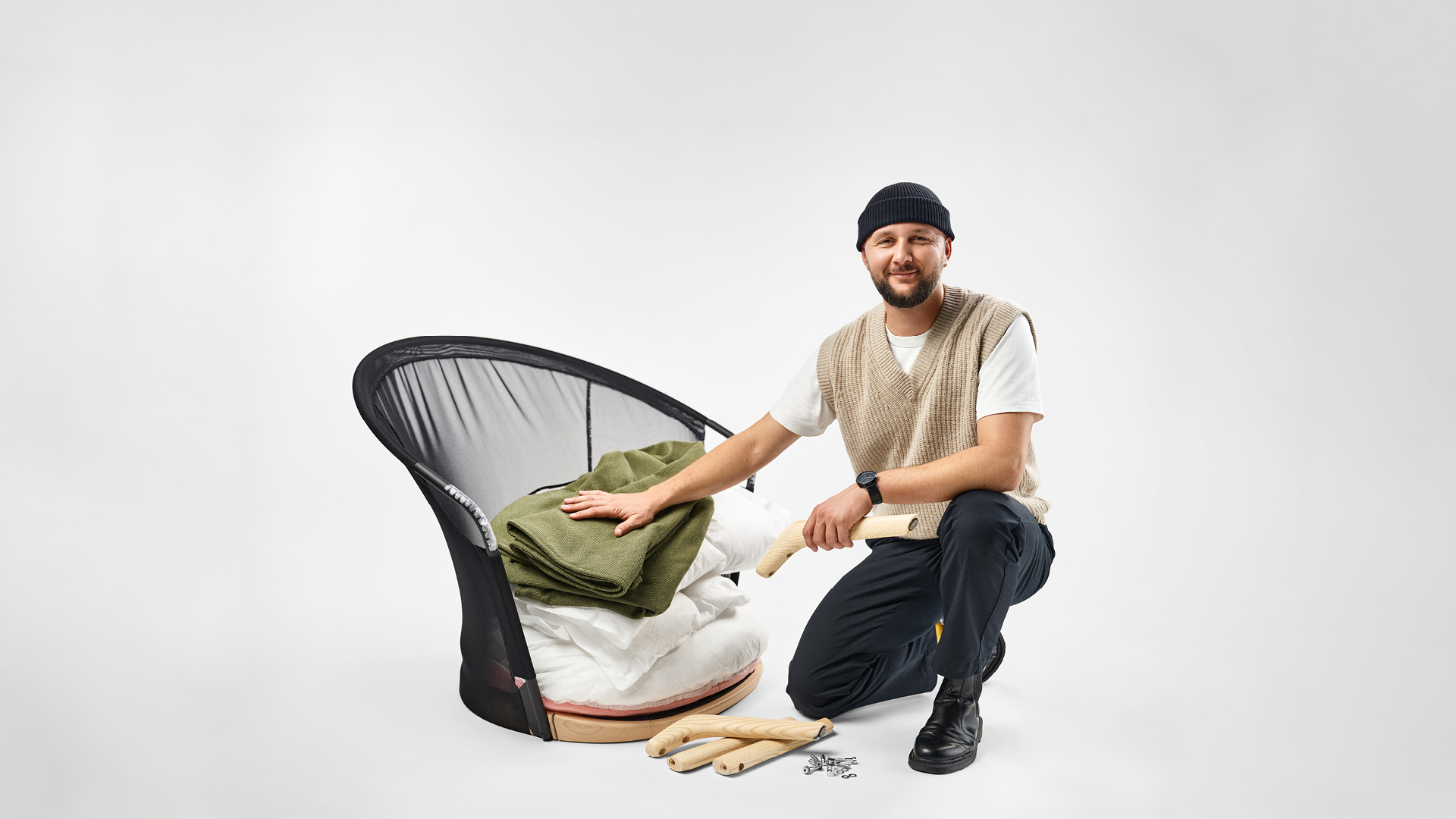

Sustainability Begins Before the First Prototype
Environmental performance is evaluated from the earliest stages of product development. Life cycle assessments and environmental impact analyses are integrated into the design process from the beginning. Materials are selected not onlyfor their appearance, tactility or cost, but for their environmental impact across the entire life cycle.
The result for se:cove:
- Up to 68% recycled raw materials
- A carbon footprint of just 30.4 kg CO₂ equivalent (in one configuration) — a remarkably low figure for a fully upholstered lounge chair
However, sustainability cannot be measured by numbers alone. It becomes most tangible in the product’s construction.
Designed for Material Purity and Circularity
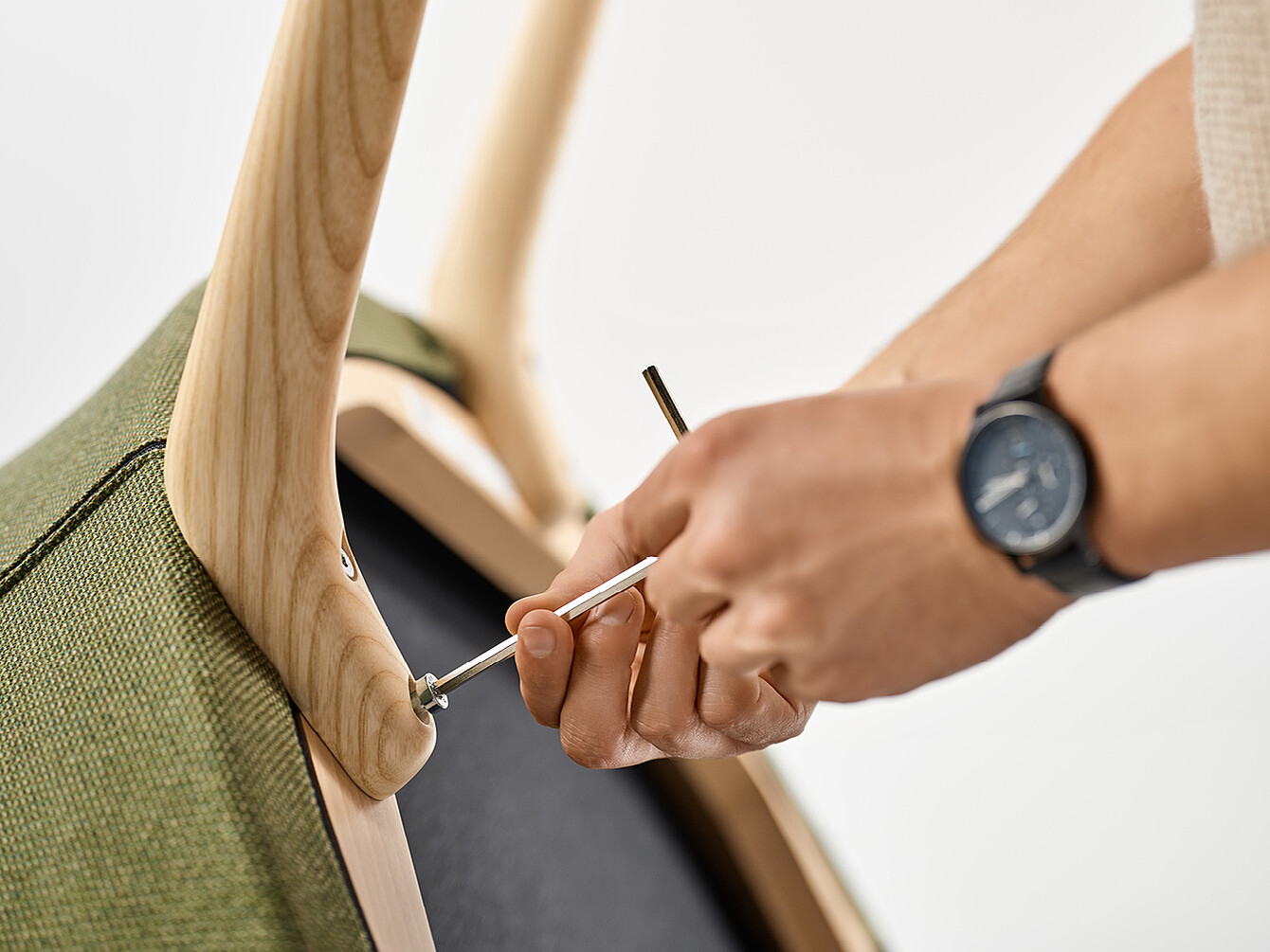
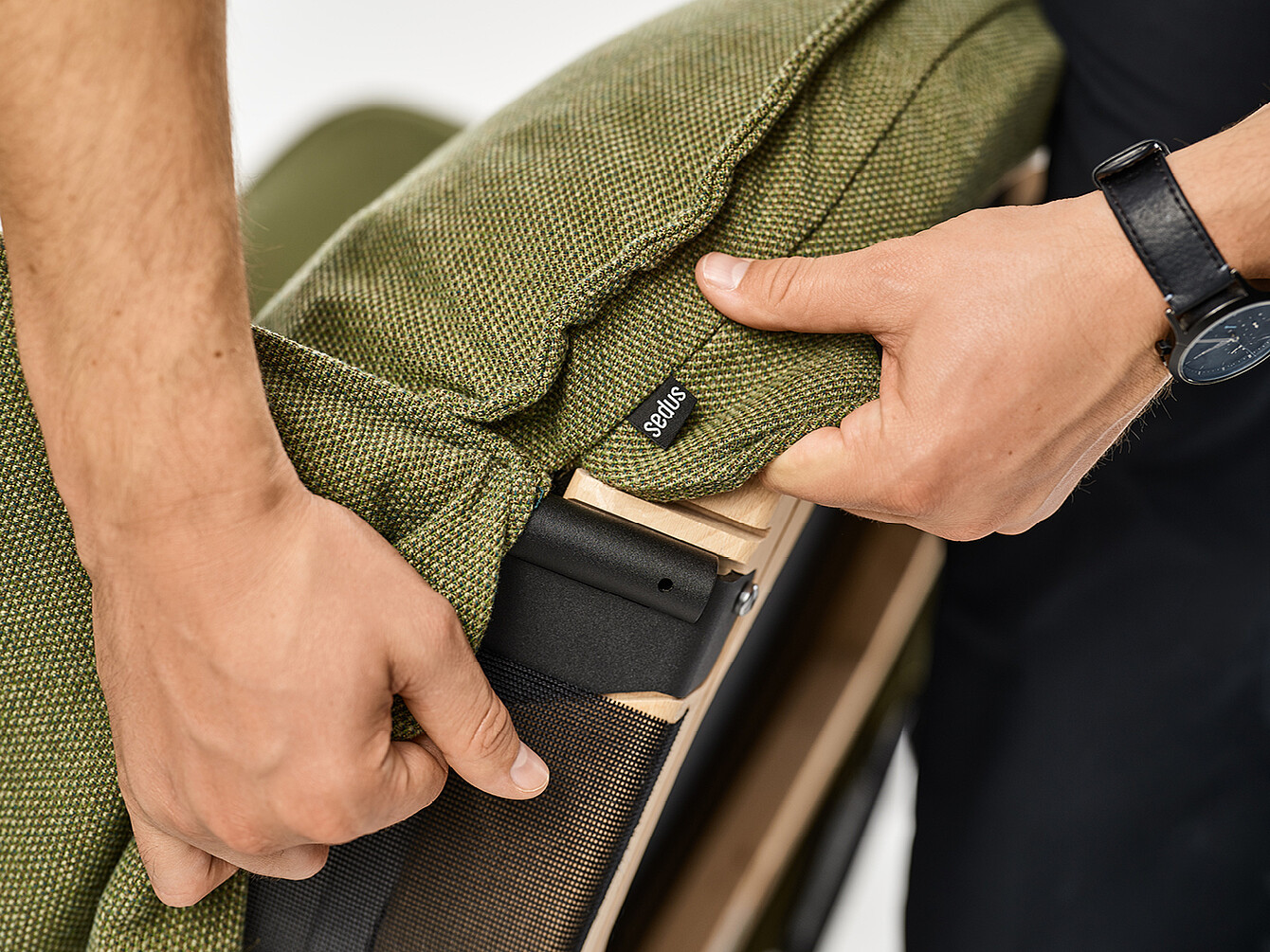
Circularity does not happen by chance; it is the outcome of deliberate design decisions. se:cove has been developed toensure that materials can be separated by type wherever possible. Upholstery covers aredeliberately not bonded withadhesives — a crucial prerequisite for easy disassembly, repair and material recycling at the end of the product’s life.
Further material decisions contribute to environmental and health responsibility:
- CFC-free foams
- Chromium III plating
- Upholstery fabrics certified according to OEKO-TEX® Standard 100
- No substances listed on the REACH candidate list above 0.1%
These details may remain invisible to the eye — yet they are fundamental to genuine sustainability.
Repair Instead of Replace
The greatest environmental impact of a product lies in its useful life. The longer it remains in use, the better its overallecological performance.
se:cove is designed to accommodate a user weight of up to 130 kg and meets strength and durability standards that exceednational and European requirements. Regular product audits, reliability testing in seriesproduction and material-optimisedconstruction methods ensure efficient use of resources without compromising stability.
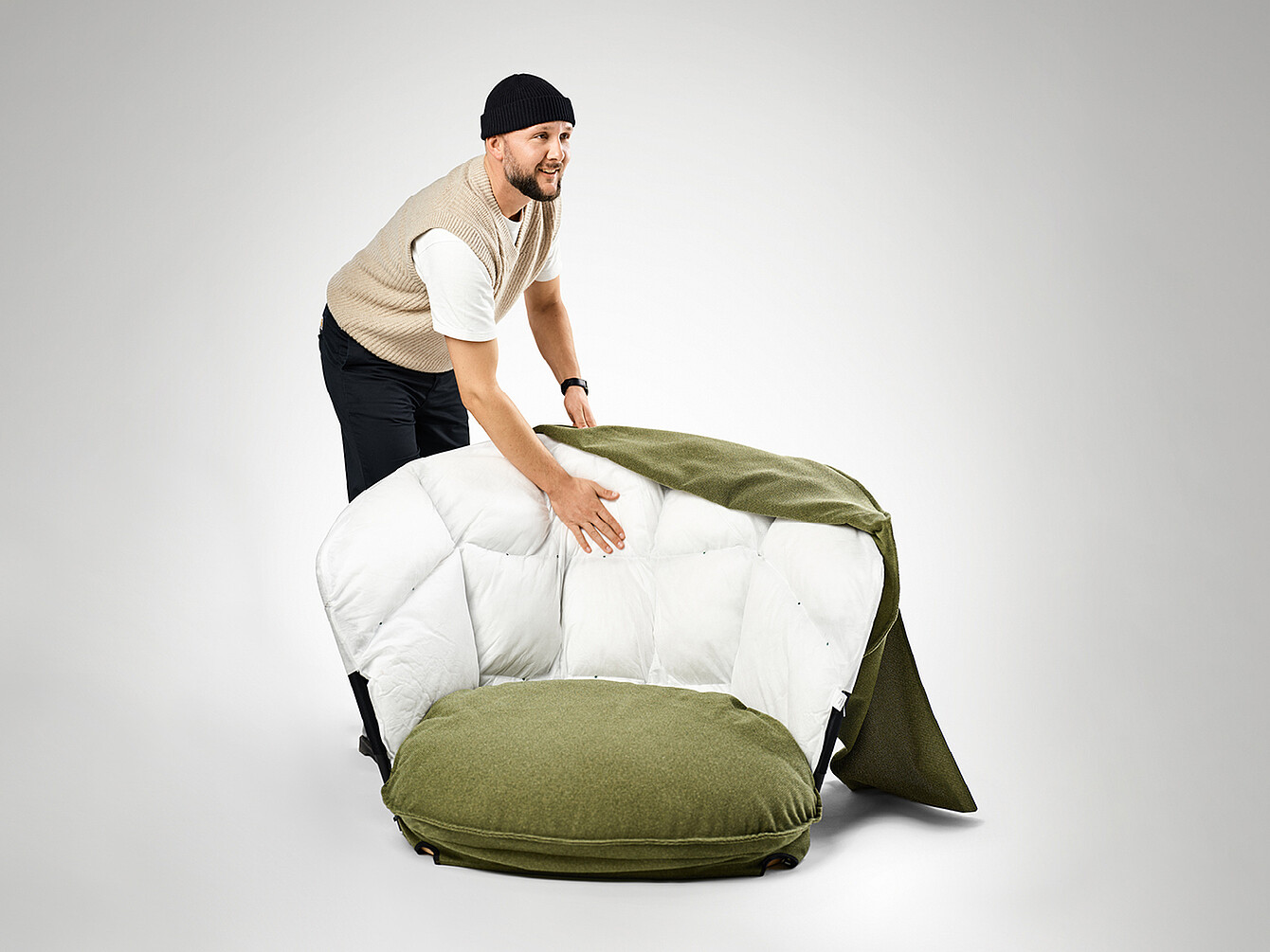
The modular configuration — with seat cushion, inner backrest upholstery and outer backrest upholstery individuallyselectable — further supports the targeted replacement or refurbishment of individual componentsrather than completeproduct substitution.
The guiding principle: preserve rather than replace.
Regional Value Creation as a Climate Strategy
Sustainability extends beyond the product itself; the supply chain is equally decisive.
Around 66% of materials are sourced in Germany, and 85% within Europe. Less than 3% originate from non-European countries. Short transport routes reduce emissions, increase supply chain transparency and strengthen regional economic cycles.
At the same time, Sedus requires its suppliers to comply with clear standards in environmental protection, human rights, labour practices and anti-corruption measures. Sustainable procurement, therefore, means taking responsibility across the entire value chain.
“Made in Germany” is not a marketing label — it is part of a consistent climate strategy.
Production with a Systematic Approach
Sustainability at Sedus is structurally embedded in production processes. se:cove is manufactured using 100% green electricity. Several certified management systems operate in an integrated manner:
- ISO 9001 (Quality Management)
- ISO 14001 (Environmental Management)
- ISO 50001 (Energy Management)
- ISO 45001 (Occupational Health and Safety Management)
The company’s high level of vertical integration enables direct control and continuous optimisation of environmentally relevant processes. Waste is systematically separated, certified disposal partners manage recycling, and production scrap rates are consistently monitored and reduced.
Sustainability is not a project — it is a system.
More Than a Chair
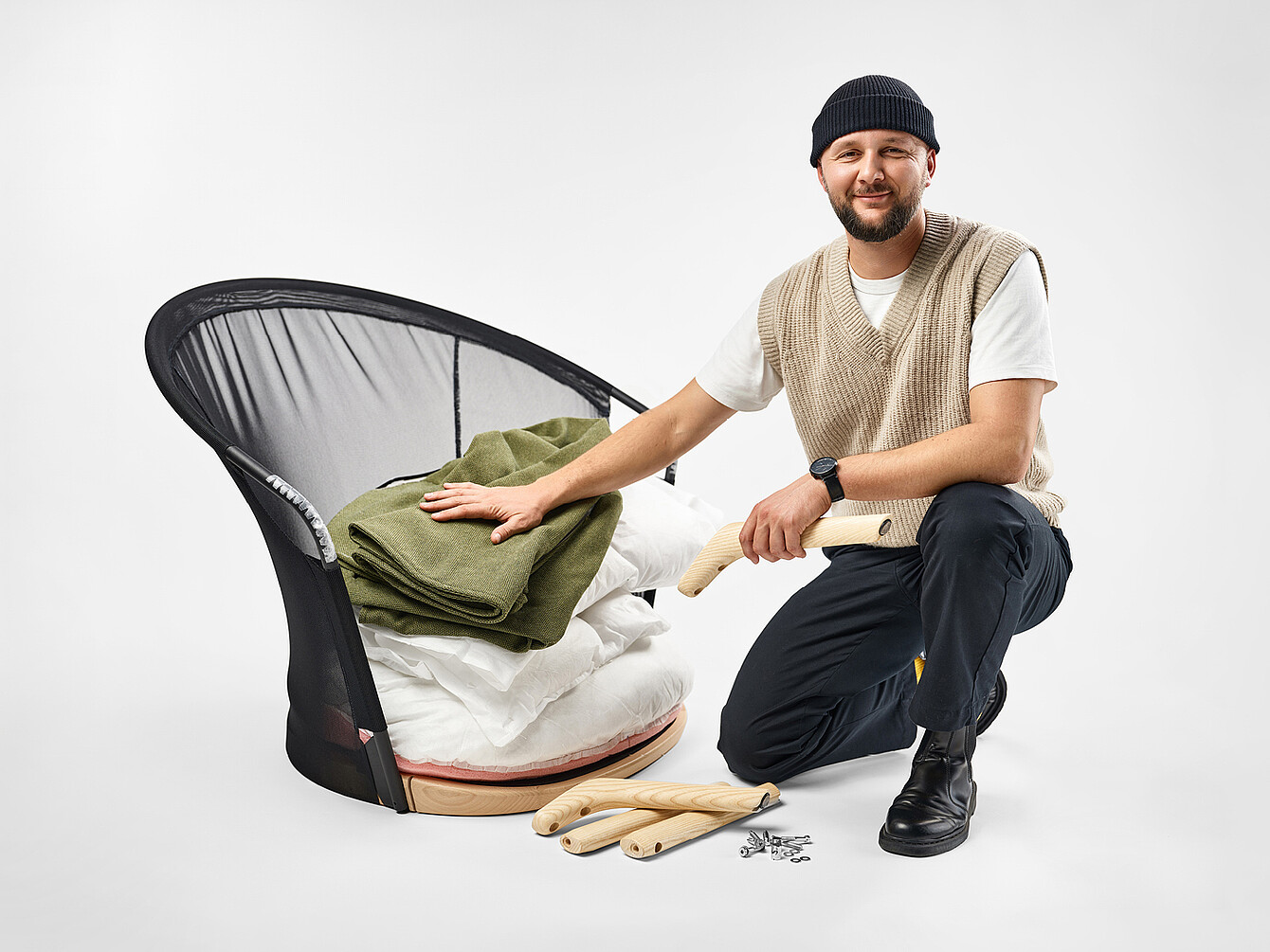
se:cove combines comfort, retreat and functionality with a clear ecological commitment. It demonstrates that sustainability is not in conflict with quality, durability or economic viability — it is their foundation.
Designed for material purity.
Conceived for recycling.
Built for repairability.
Manufactured regionally.
This is how se:cove redefines sustainability — not as an added feature, but as an intrinsic element of the product itself.

social media channels: