
Between Openness and Concentration: New Demands on the Workplace
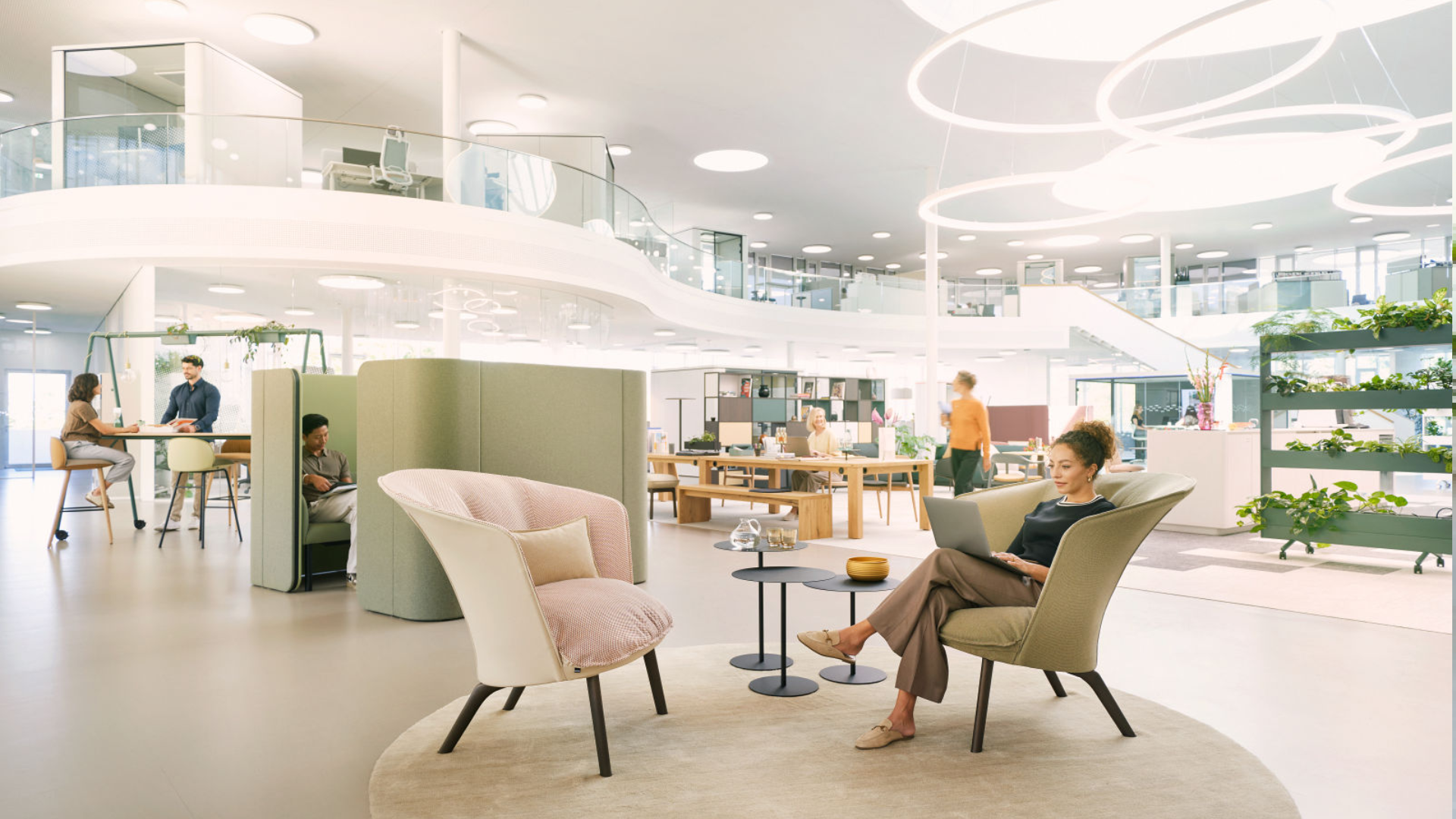
For years, open workplaces have stood for exchange, transparency and collaboration. Yet as hybrid work continues to reshape the office, another quality is becoming increasingly important: the ability to focus. This creates a new tension between community and concentration - and with it, one of the central questions of contemporary workplace design: how can both be enabled at the same time?
The answer lies less in clearly separated room typologies and more in a finely tuned landscape of different work settings. Instead of relying on traditional opposites - open space versus private office - workplaces are evolving into networks of environments that support varying levels of concentration. Particularly relevant are those in-between spaces that are neither fully enclosed nor entirely exposed: semi-sheltered areas that offer retreat without disconnecting people from their surroundings.
Current research shows that concentration is not a static condition, but one that is heavily influenced by the environment, external stimuli and the degree of control people have over their immediate workspace. In offices that have long been optimised primarily for collaboration, this often leads to interruptions and increased cognitive overload. As a result, concentration must now be actively designed - not in isolation, but as part of a broader spatial ecosystem.
Micro Focus Spaces: Retreat Without Isolation
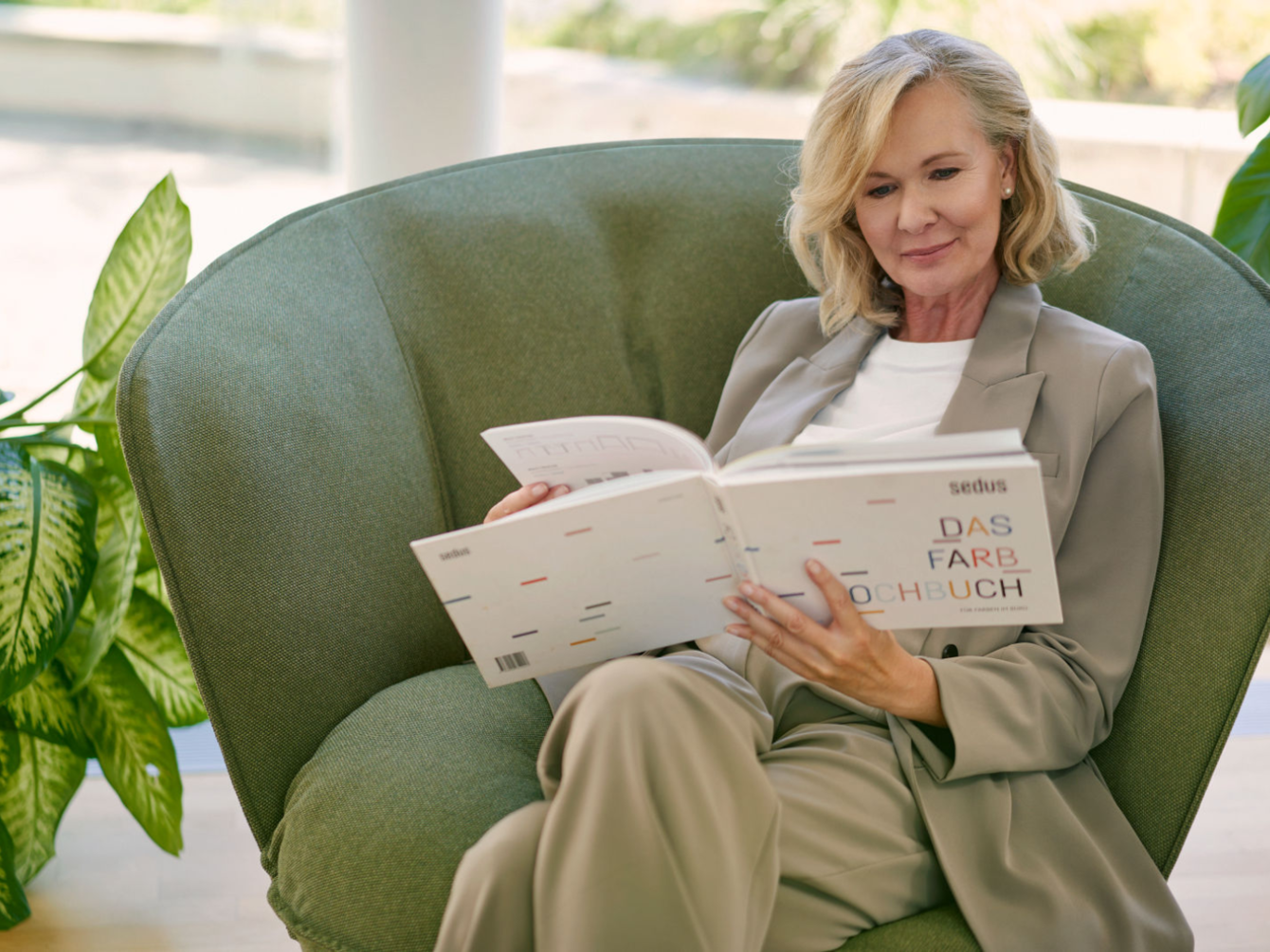
The solution is not simply to create more enclosed rooms, but to introduce new spatial typologies. Micro focus spaces emerge exactly where concentration is needed: within the open office itself. They provide protection without separation and enable intuitive transitions between focus and interaction.
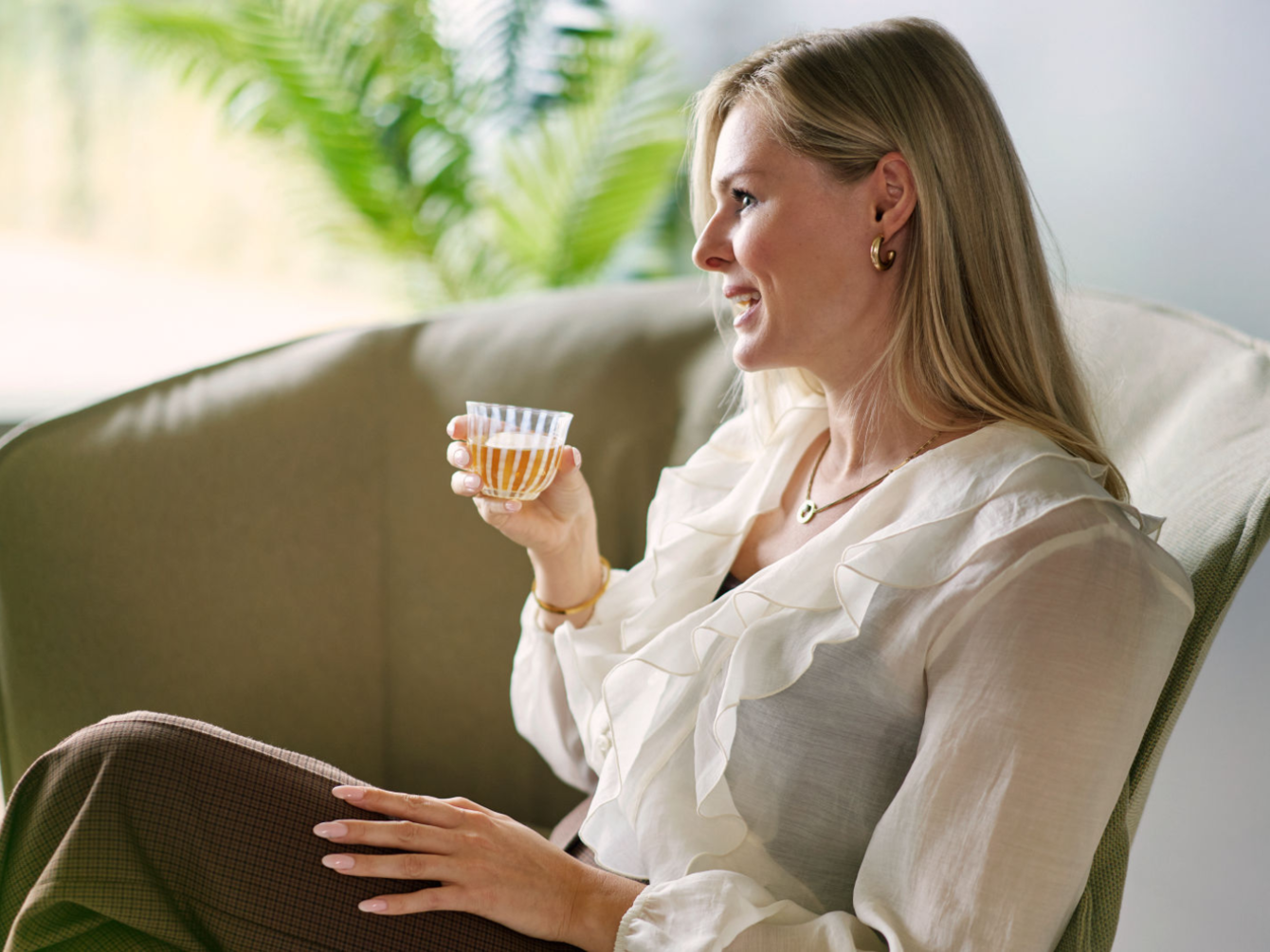
se:cove translates this principle into furniture. The lounge chair functions as an independent retreat within open spaces, using its sculptural, enveloping form to noticeably reduce visual and acoustic distractions. At the same time, it deliberately remains open and connected to the surrounding environment - an essential quality in hybrid workplaces.
This balance is also highly relevant from a neurophysiological perspective. The so-called peripersonal space — the immediate area surrounding the body that shapes how people perceive their environment — stabilises particularly well in semi-sheltered situations. These environments create a sense of control and security that supports sustained attention. Furniture such as se:cove therefore becomes more than a functional object: it defines spatial qualities and creates places that are intuitively perceived as zones for focus.
Rethinking Focus: From Room to Network
This development fundamentally changes the logic of workplace design. Concentration is no longer tied to a fixed room but becomes part of a dynamic system of spatial choices. Open areas are not replaced, but complemented by carefully positioned retreat spaces that can be used flexibly throughout the day.
Especially in areas such as work cafés, lounge zones or transitional spaces, new opportunities emerge: small islands of calm within vibrant office environments. Shared focus areas are also becoming increasingly important. Examples such as libraries demonstrate that concentrated work does not necessarily require isolation - in fact, a calm collective atmosphere can even strengthen focus.
se:cove exemplifies this shift. As a micro focus space, it brings concentration directly into the open office and connects what once seemed contradictory: retreat and openness, individuality and togetherness. The result is a workplace that enables both - focused work while remaining connected to the bigger picture.

social media channels: