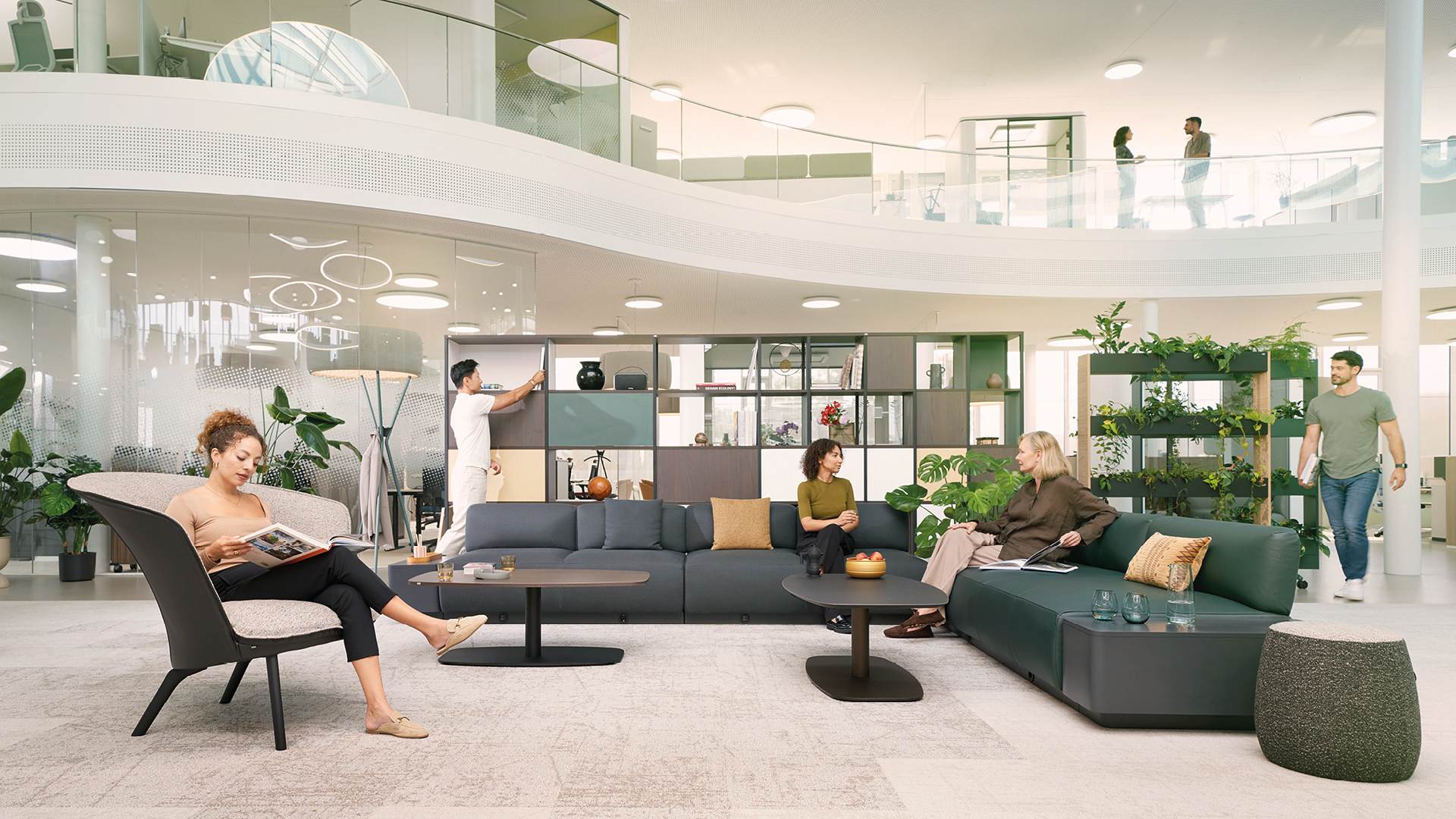

In the modern workplace, people are bombarded with information, interruptions and the constant expectation of being available. As a result, the ability to concentrate is becoming an increasingly and competitive factor. For many years, organisations focused primarily on visual design, ergonomic furniture and flexible spatial concepts. Today, another often underestimated factor is coming to the fore: the acoustic quality of working environments. Sound does more than determine whether we feel distracted; it also influences how we think, learn and make decisions.
At the same time, there is growing interest in biophilic design, which deliberately integrates natural elements into the built environment. Alongside plants, natural light and natural materials, the sounds of nature are also becoming increasingly important. Regenerative soundscapes, known as biophilic soundscapes, use the sounds of running water, wind, birdsong and generative natural sounds. In this way, they create environments that promote attention, reduce stress and support cognitive recovery.
Recent findings from neuroarchitecture, environmental psychology and acoustics research show that concentration does not depend on silence alone. People benefit from multisensory environments that provide orientation, security and a feeling of control. Biophilic soundscaping brings these insights together in a holistic design approach. This creates new opportunities to develop workplaces that are both more productive and healthier.
What regenerative soundscapes can achieve for planning and the user experience
The modern workplace is not lacking in communication. What it increasingly lacks is the ability to support sustained concentration. Open-plan offices, digital notifications and the expectation of constant availability have made attention a scarce resource. At the same time, recent findings from neuroarchitecture, environmental psychology and acoustic research show that focused work does not depend on silence alone. People need environments that actively support their perception and enable cognitive recovery.
Against this backdrop, biophilic soundscaping is becoming increasingly important. These restorative soundscapes, which integrate natural sounds into the built environment, enhance concentration, improve well-being and support mental regeneration.
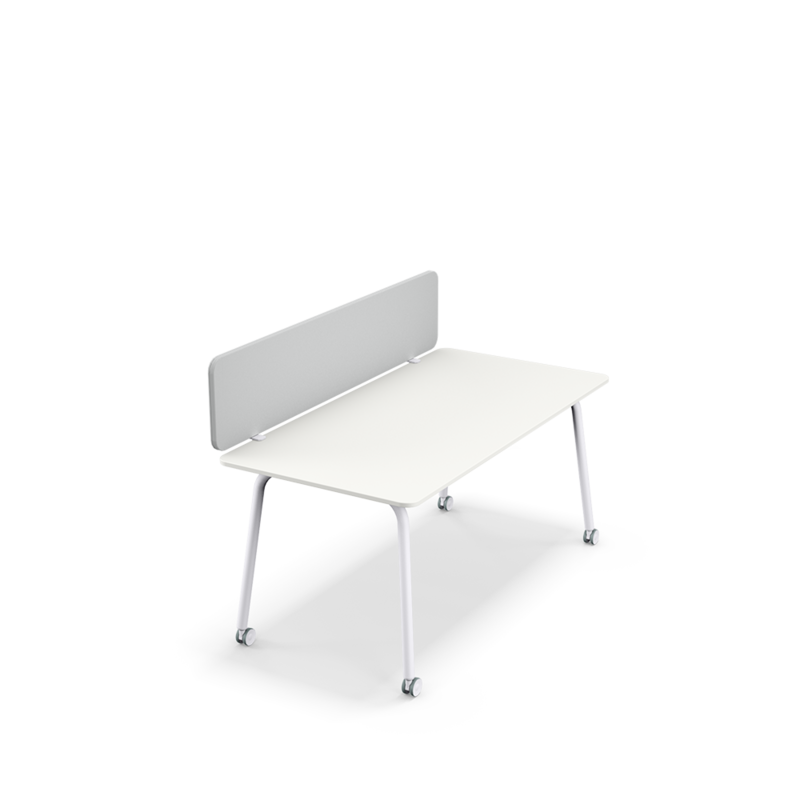
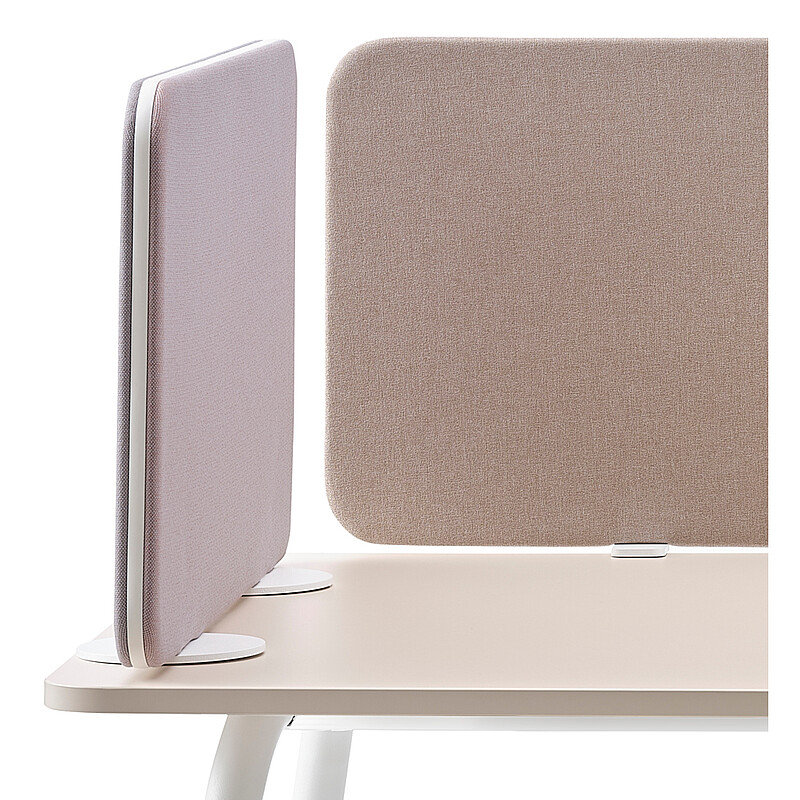
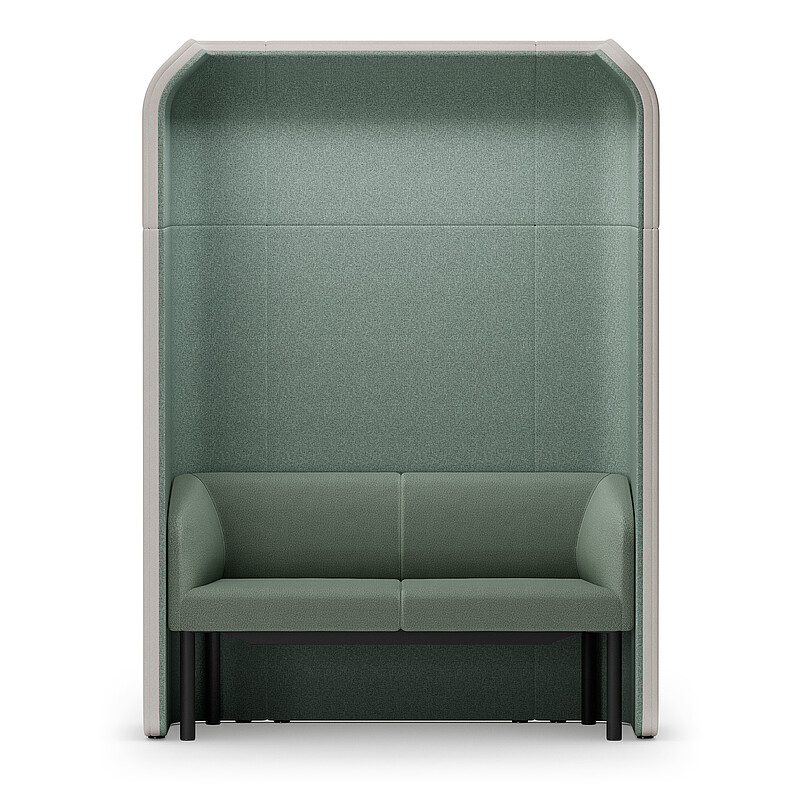
The more open and communication-intensive the world of work becomes, the more important privacy screen elements become. Sedus sets new standards in this field with its enhanced se:screen product family. The freestanding screens and privacy elements are visually appealing with their slender frames, and can be planned with millimetre precision.
Why silence alone is not enough
It was long assumed that as few acoustic stimuli as possible created the best conditions for concentrated work. However, more recent research paints a more nuanced picture. Concentration does not depend solely on the absence of noise. It depends on the quality of the entire sensory environment. Sedus INSIGHTS trend monitor No. 20, entitled ‘Focus in the Office’, points out that the ability to sustain attention is influenced by the coherence of visual, acoustic, tactile and proprioceptive stimuli.
People are constantly orienting themselves to their surroundings. The brain continuously processes sounds, lighting conditions, materials and movements. If this results in a sensory imbalance, the ability to concentrate suffers. This can be caused, for example, by disruptive conversations, technical noises or acoustic monotony.
From a neuroarchitecture perspective, therefore, the aim is not to eliminate all stimuli. The key is to provide the right stimuli.
The biophilic dimension of sound
Biophilia describes humans’ innate connection to nature. In architecture, this principle is often reflected in plants, daylight or natural materials. The acoustic dimension is taken into account far less frequently.
Yet natural sounds are important for mental regeneration. Attention Restoration Theory by Stephen and Rachel Kaplan, cited in Sedus INSIGHTS magazine, suggests that gentle natural stimuli help the brain to recover from cognitive fatigue. These include not only light or natural textures, but also calm, unobtrusive environmental stimuli.
Sounds of nature have a special quality in this regard. They do not actively demand attention. Instead, they form a backdrop that masks distractions whilst simultaneously creating a sense of security and familiarity. This allows the brain to free up resources that it would otherwise need to process disruptive ambient noise.
Soundscaping as part of neuroarchitecture
Neuroarchitecture investigates how built spaces influence brain function. It has been shown that sensory factors such as light, sound and spatial design have a direct impact on emotions, behaviour and cognitive performance.
For planning, this represents a paradigm shift. Acoustics is no longer regarded merely as a technical discipline for noise reduction; it is becoming an active design element.
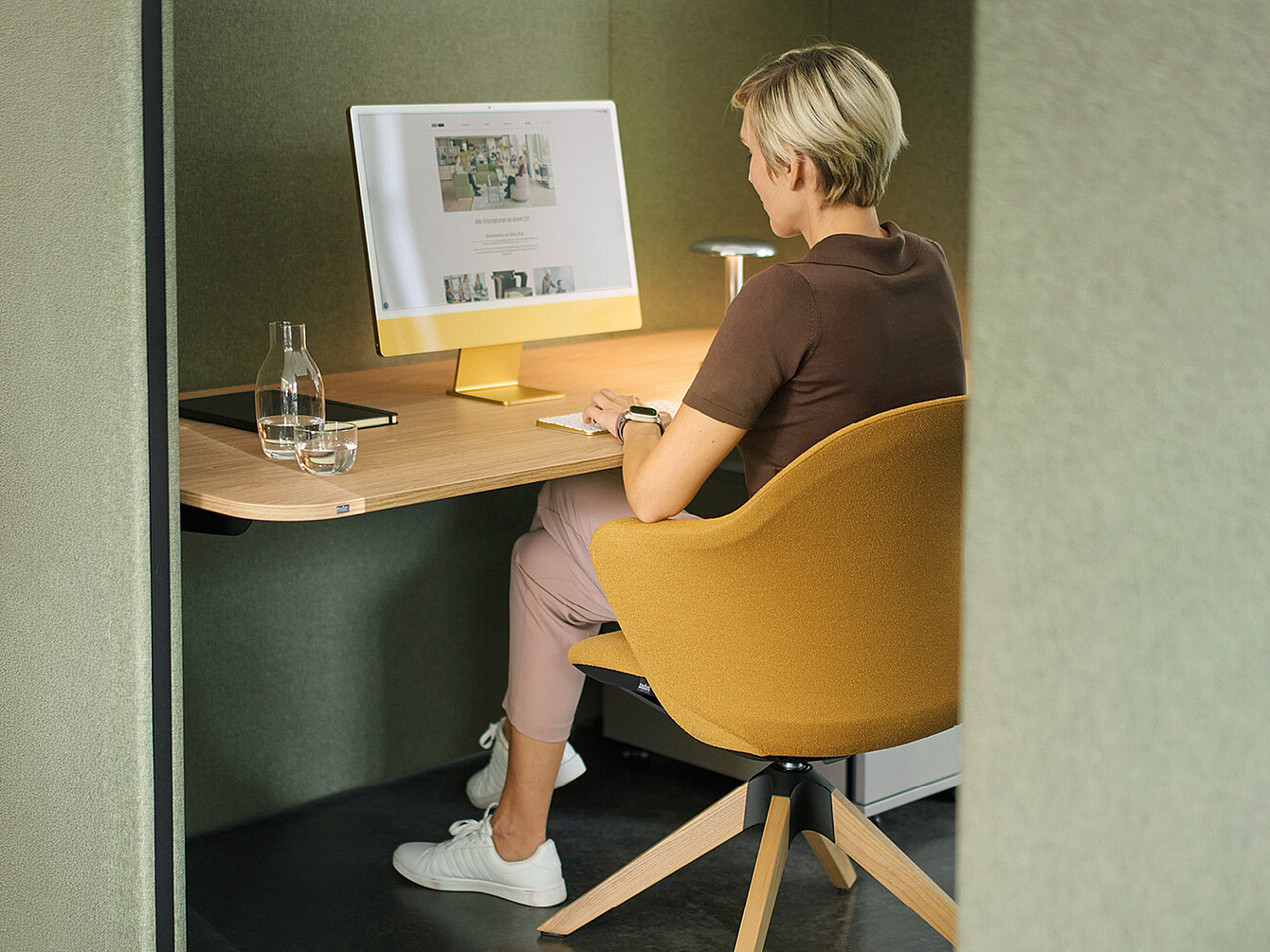
Regenerative soundscapes can, for example:
- mask distracting background noise
- reduce stress responses
- support periods of concentration
- effectively complement relaxation areas
- provide acoustic support for different working modes
This creates an environment that not only protects people from distraction but also actively supports their thinking.
Moodsonic: When natural sounds become intelligent
A particularly interesting example featured in Sedus INSIGHTS is the Moodsonic soundscaping system. It utilises generative, nature-inspired soundscapes that adapt to real-time data from the surroundings. The aim is to promote well-being, concentration and productivity.
The system creates bespoke acoustic environments that:
- Reduce distractions
- Support neurodiversity
- Promote concentration
- Facilitate collaboration
- Enable regeneration
The idea behind it is remarkable: it is not the person who has to adapt to a rigid working environment. Instead, the soundscape adapts to the users’ needs.

A measurable impact on productivity
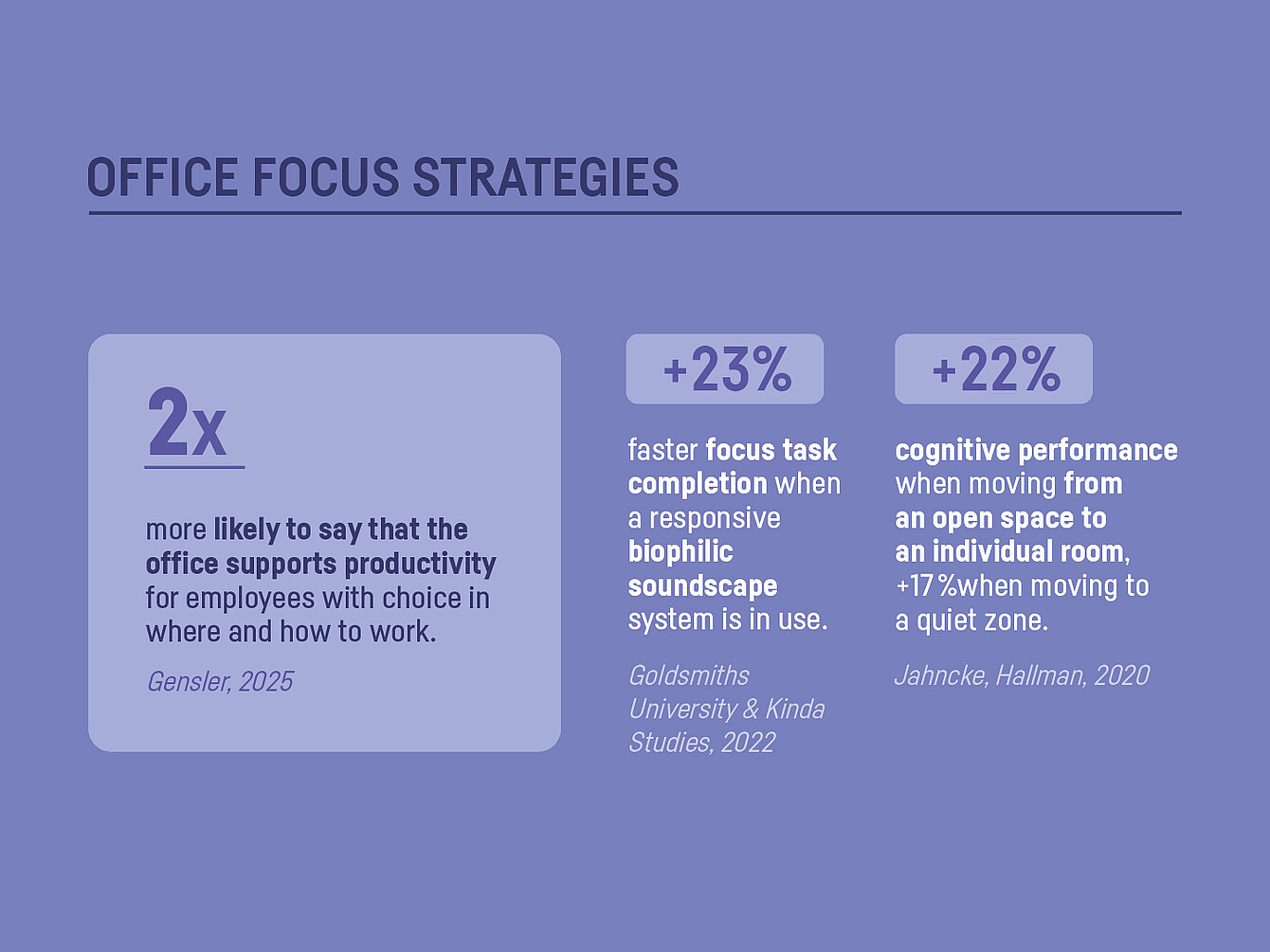
The key figures compiled in the report show that this approach is more than just a matter of well-being. According to the report, dynamic and biophilic soundscapes can speed up task completion by up to 22 per cent.
This makes soundscaping a relevant tool for work organisation. Companies invest heavily in space, furniture and digital tools. However, the acoustic user experience is often overlooked, even though it can directly influence performance.
The multisensory workplace of the future
Several practical projects featured in Sedus INSIGHTS show that successful working environments today are designed with a multisensory approach. At Ford Otosan, concentration was understood as a state that design actively supports. Acoustics, lighting, materials and spatial hierarchies were deliberately considered in conjunction with one another. The aim was to instil a sense of control, security and mental stability in people.
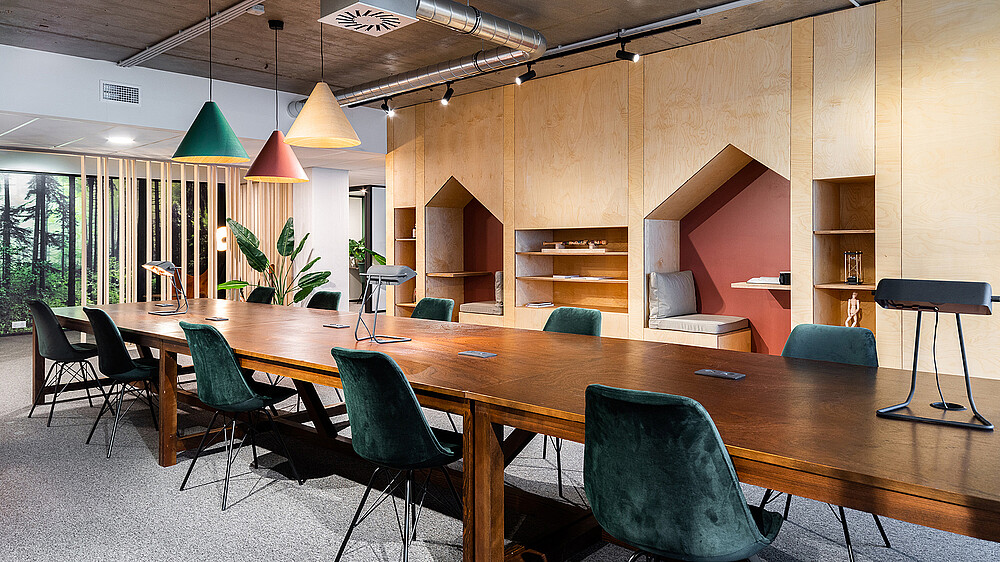
Biophilic co-working concepts such as Start it @KBC also rely on combining connections to nature, quiet zones and sensory balance. This is intended to enable concentration in open-plan working environments.
These projects demonstrate that, in future, concentration will no longer be regarded merely as an individual ability. It is the result of a deliberately designed environment.
Conclusion: The Sound of Concentration
The world of work is currently discovering a previously underestimated resource: the acoustic quality of spaces. Biophilic soundscaping combines insights from environmental psychology, neuroarchitecture, biophilia and acoustics into a holistic approach to focused work.
Regenerative soundscapes do far more than merely reduce noise. They provide orientation, support cognitive recovery, promote well-being and help people to focus their attention specifically on what matters most. In an age of constant distraction, the sounds of nature could thus become one of the most effective tools for productive working environments.
The future of focused work does not lie in absolute silence. It lies in intelligently designed soundscapes that reconnect people with the rhythms of nature.
Related posts
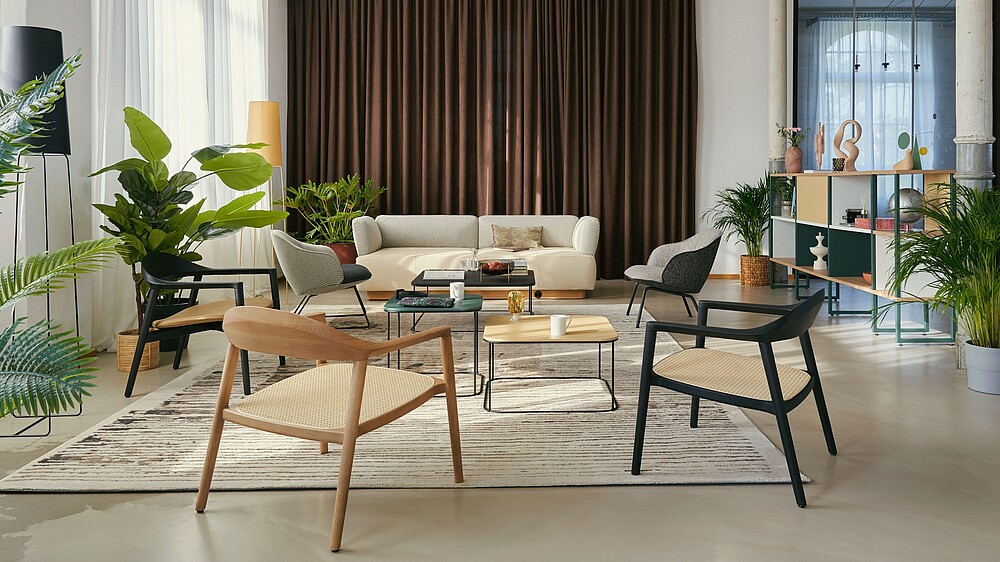
Biophilic Design – How to improve the working environment with office plants
Mindful Work: How Colours and Materials Stabilise Focus

Start it @KBC – How open innovation spaces can remain conducive to focused work

social media channels: