
Today, Clerkenwell Design Week is considered one of the world’s leading design festivals. Located in one of London’s most creative districts — home to an exceptional concentration of architects, creative studios and interior brands — the festival brings together international designers, workplace experts and architects to discuss the future of design, work and architecture.
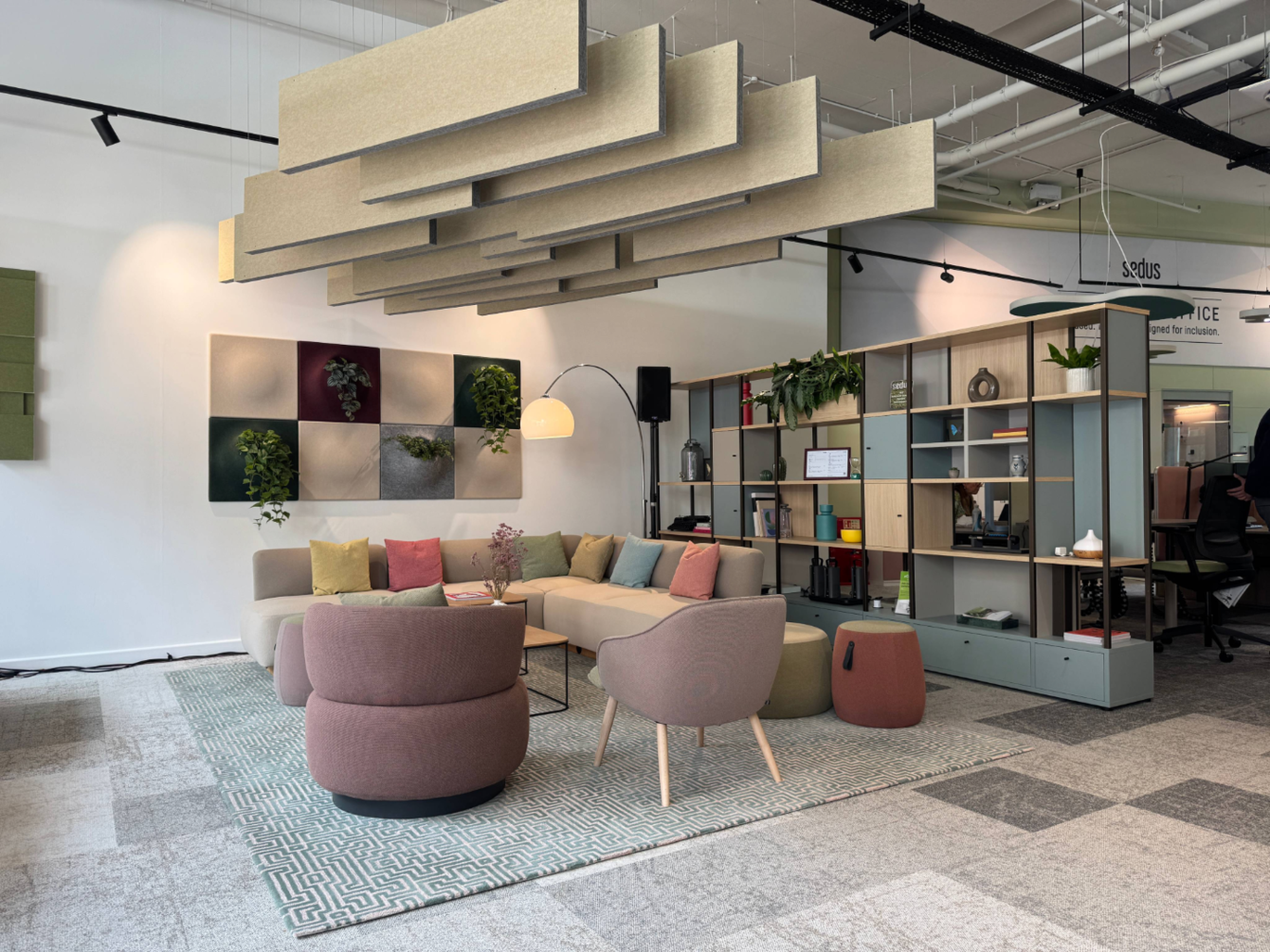
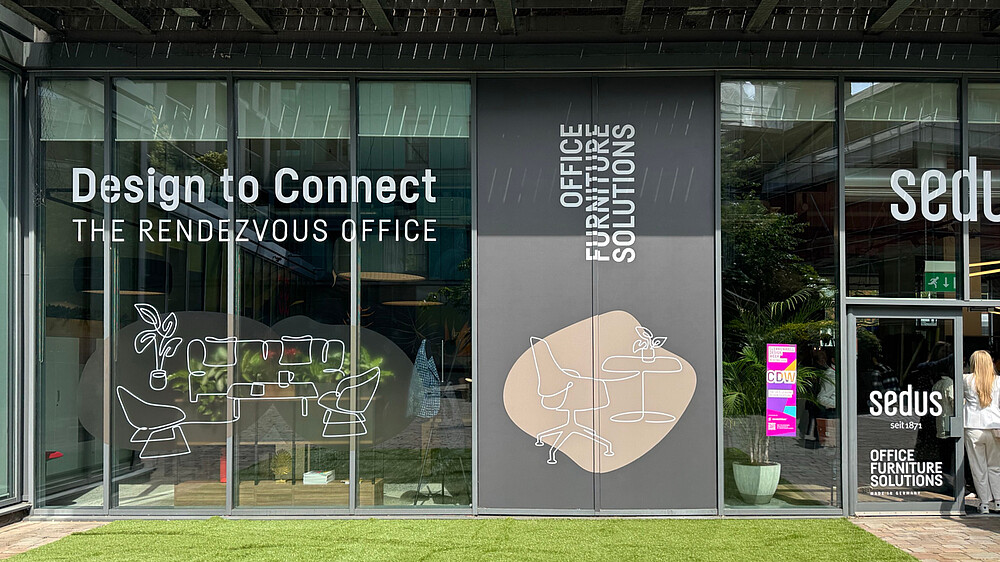
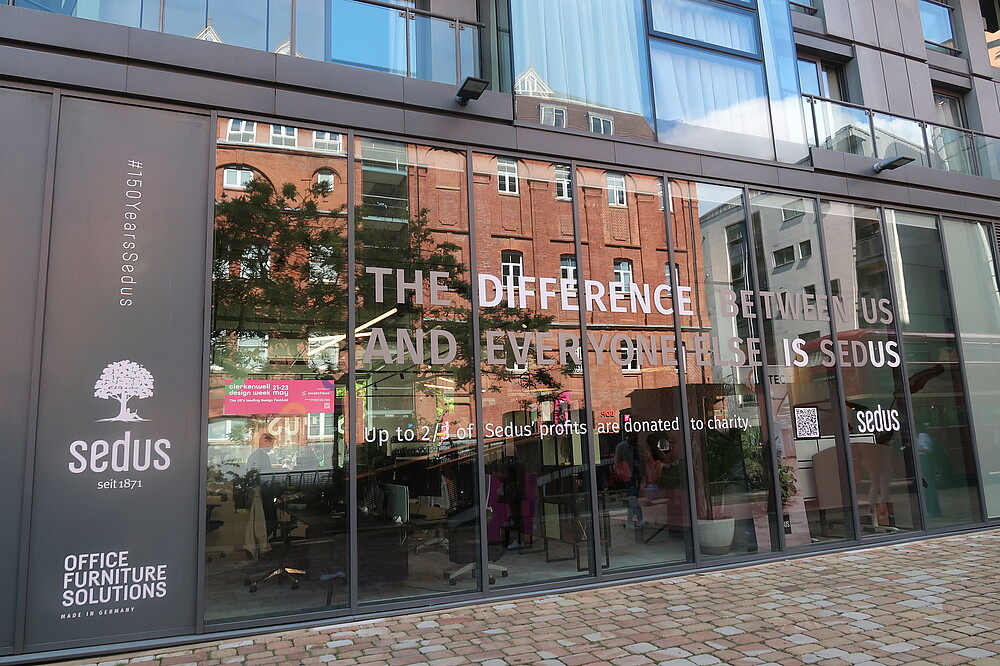
At the heart of this creative environment, Sedus has recently redesigned its London showroom — creating a place for dialogue, inspiration and new perspectives on the future of work.
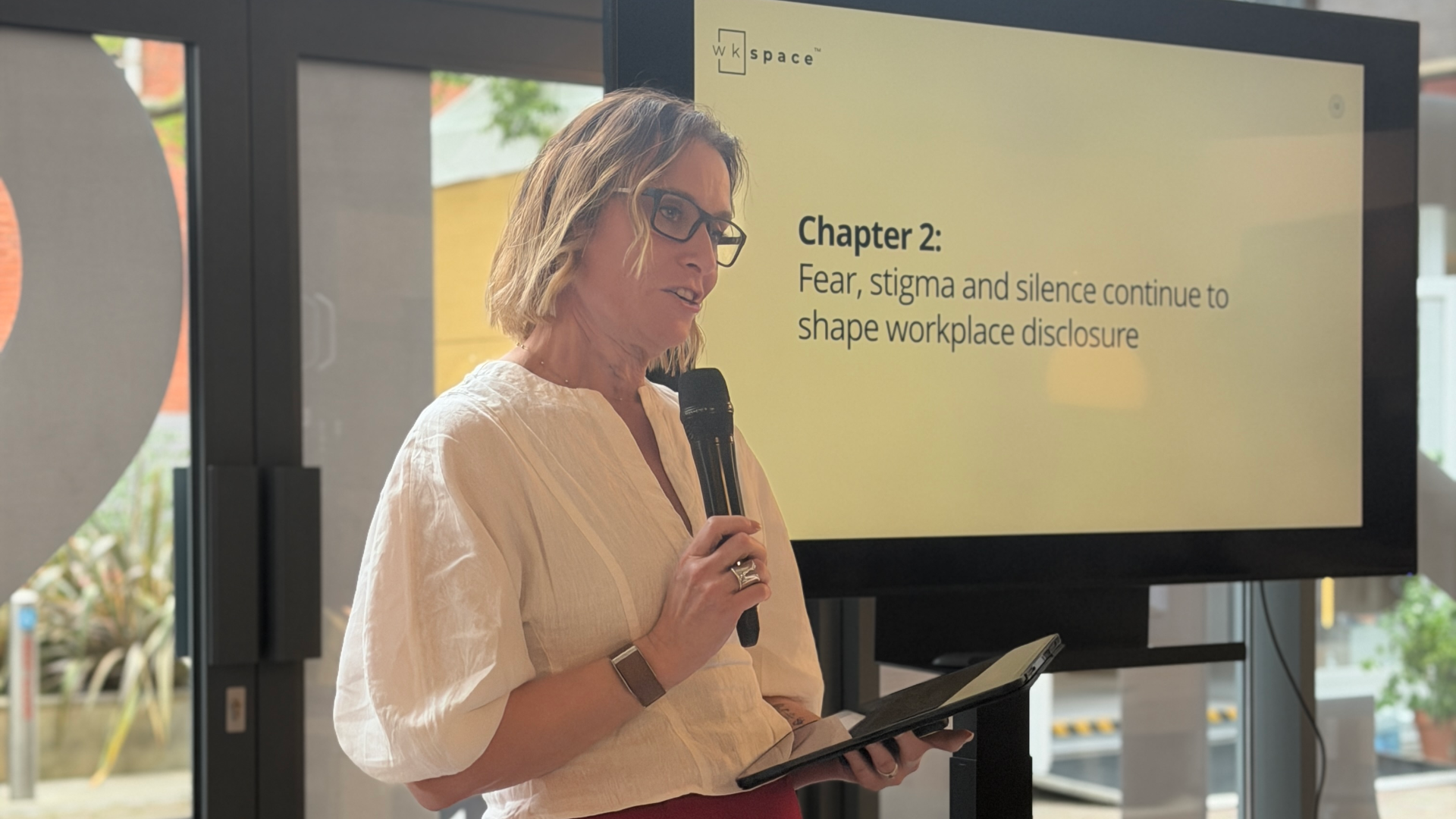
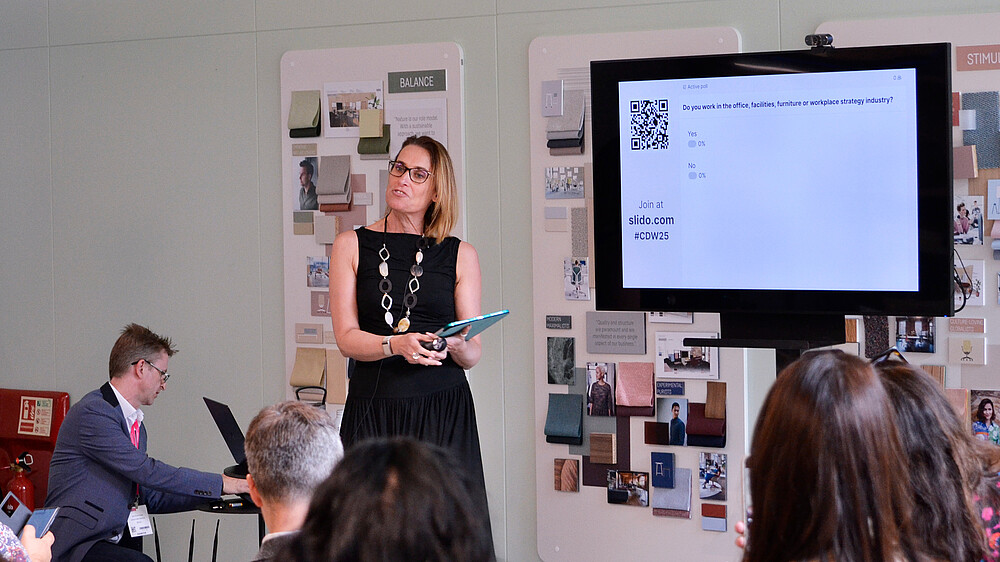
At the centre of the talk was a question currently shaping conversations across organisations worldwide: How can workplaces be designed in a way that truly supports people with very different needs, personalities and ways of working?
Because the challenge facing today’s workplace is no longer simply about bringing employees back into the office. Increasingly, it is about creating environments that genuinely support concentration, wellbeing and productivity alike.
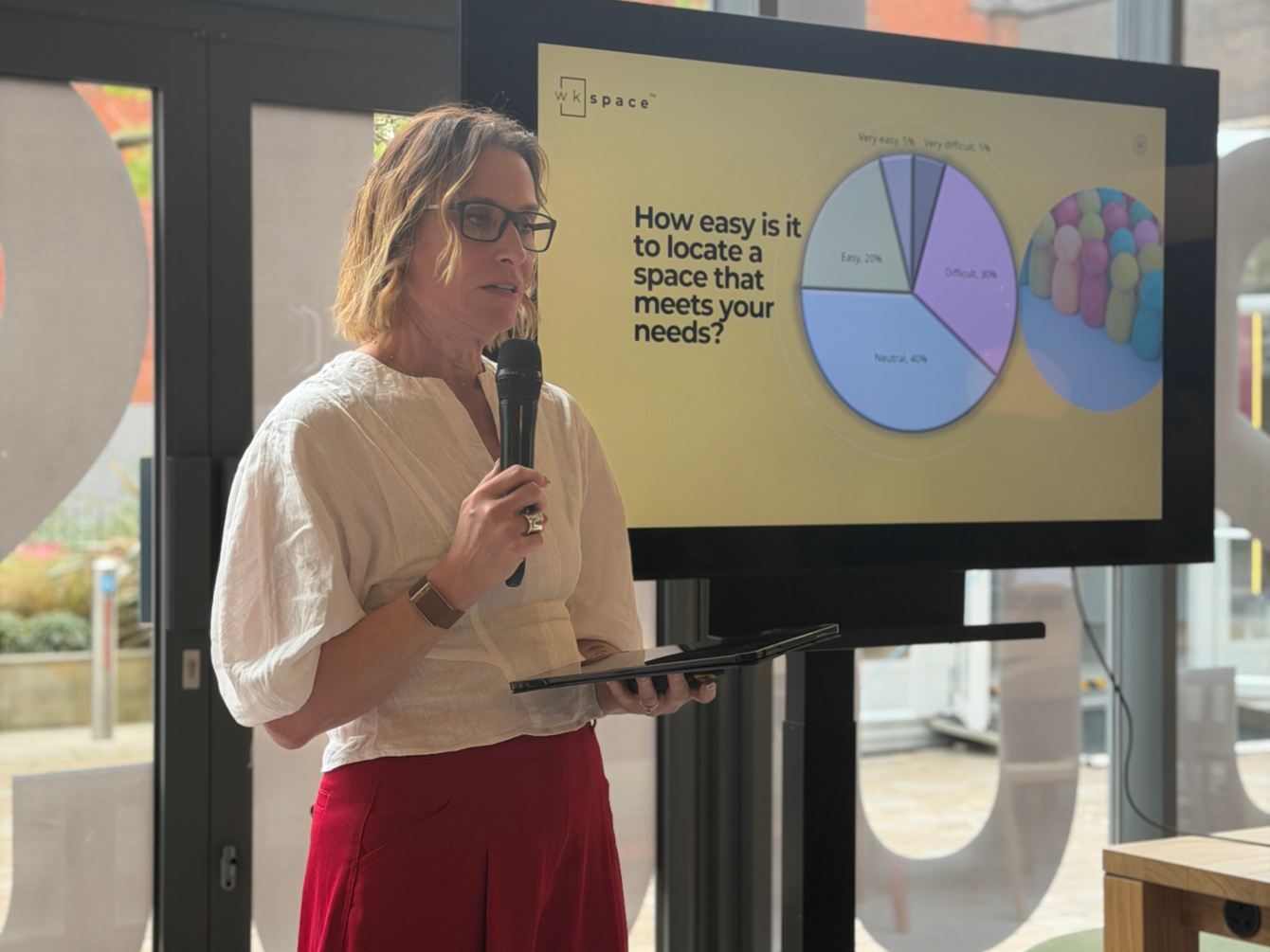
The future of work will not be defined by how many people we can fit into a workplace, but by how many different people we can enable to thrive within it.
The hidden reality of modern workplaces
The findings from WKspace’s recent research clearly demonstrate how urgent this conversation has become. The study surveyed 10,000 office workers across the UK, revealing that nearly half of respondents — 48% — reported that neurodivergence, mental health conditions, physical health conditions or sensory sensitivities affect their daily work experience.
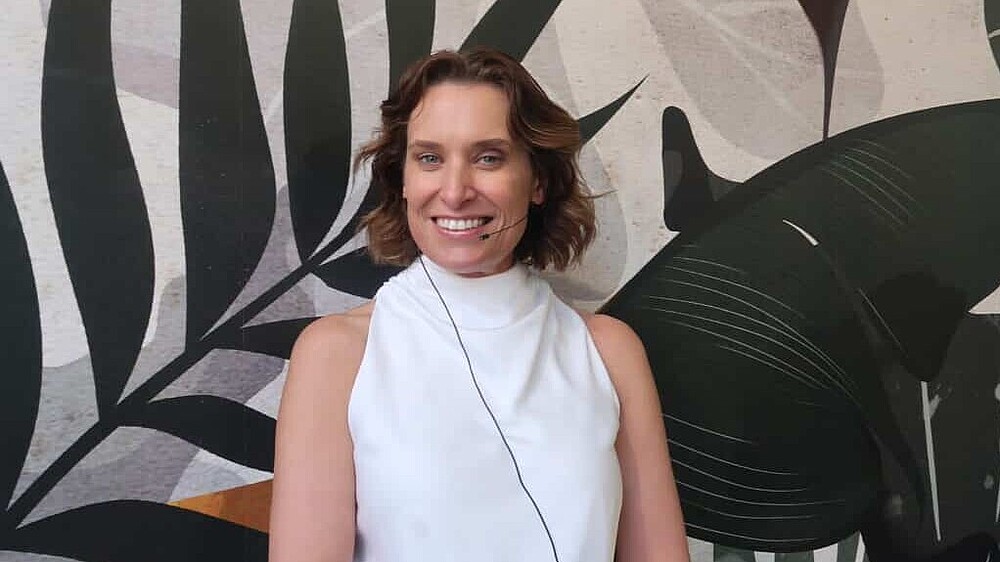
It was a figure that surprised even Hannah Nardini herself.
Many of these needs remain invisible within the workplace. According to Nardini, this highlights one of the fundamental problems of many modern office environments: workplaces are still too often designed around a single “average” way of working — despite the fact that such an average no longer truly exists.
Why noise has become the biggest source of stress in the office
One of the strongest themes throughout the talk was the impact of the physical workplace on focus, wellbeing and performance. By far the most significant issue: noise.
Across almost every area of the survey, employees identified noise as their greatest workplace challenge. This was closely followed by visual distractions, overcrowded open-plan environments and a lack of quiet spaces. Many participants described a constant sense of interruption. Small environmental stressors accumulate throughout the day, gradually turning into a significant cognitive burden.
These “cumulative stressors”, as Hannah Nardini described them, can ultimately lead to exhaustion, reduced concentration and increased stress levels over time.
Inclusive workplaces require more than good design
Throughout the presentation, it became clear that inclusive workplaces extend far beyond accessibility guidelines or individual adjustments. At its core, the conversation is about how people actually feel at work.
Can they concentrate?
Do they feel respected?
Can they openly communicate their needs?
Particularly when it came to psychological safety, the study revealed significant challenges. Although many organisations now openly discuss mental health, neurodiversity and inclusion, only 28% of respondents said they felt fully comfortable disclosing their needs at work.
The future of work must become more human
The research also demonstrated the direct business impact of workplace experience.
77% of respondents believed they would become significantly more productive if their working environment better supported their needs.
At the same time, 62% said they would consider leaving their employer if conditions failed to improve.
These findings make one thing increasingly clear: inclusive workplace design is no longer a niche topic. It is becoming a defining factor for productivity, talent retention and long-term organisational success.
Or, as Hannah Nardini put it:
Inclusive workplaces are not about lowering expectations, they are about removing unnecessary barriers so people can perform at their best.
Ultimately, one key message remained throughout the talk: the workplace of the future must become more human.
Not more standardised.
Not denser.
Not louder.
But more flexible, more thoughtful and more responsive to the diversity of human needs — creating environments in which as many people as possible can truly thrive.
Related Posts
The Great Office Reset – Why People Want to Return to the Office (Or Not)
Clerkenwell Design Week 2025: Three Days of Insights, Inspiration and Connection
Innovative workplace concepts at Sedus: highlights from Clerkenwell Design Week 2024
The cost of overlooking employee values in the workplace -interview

social media channels: