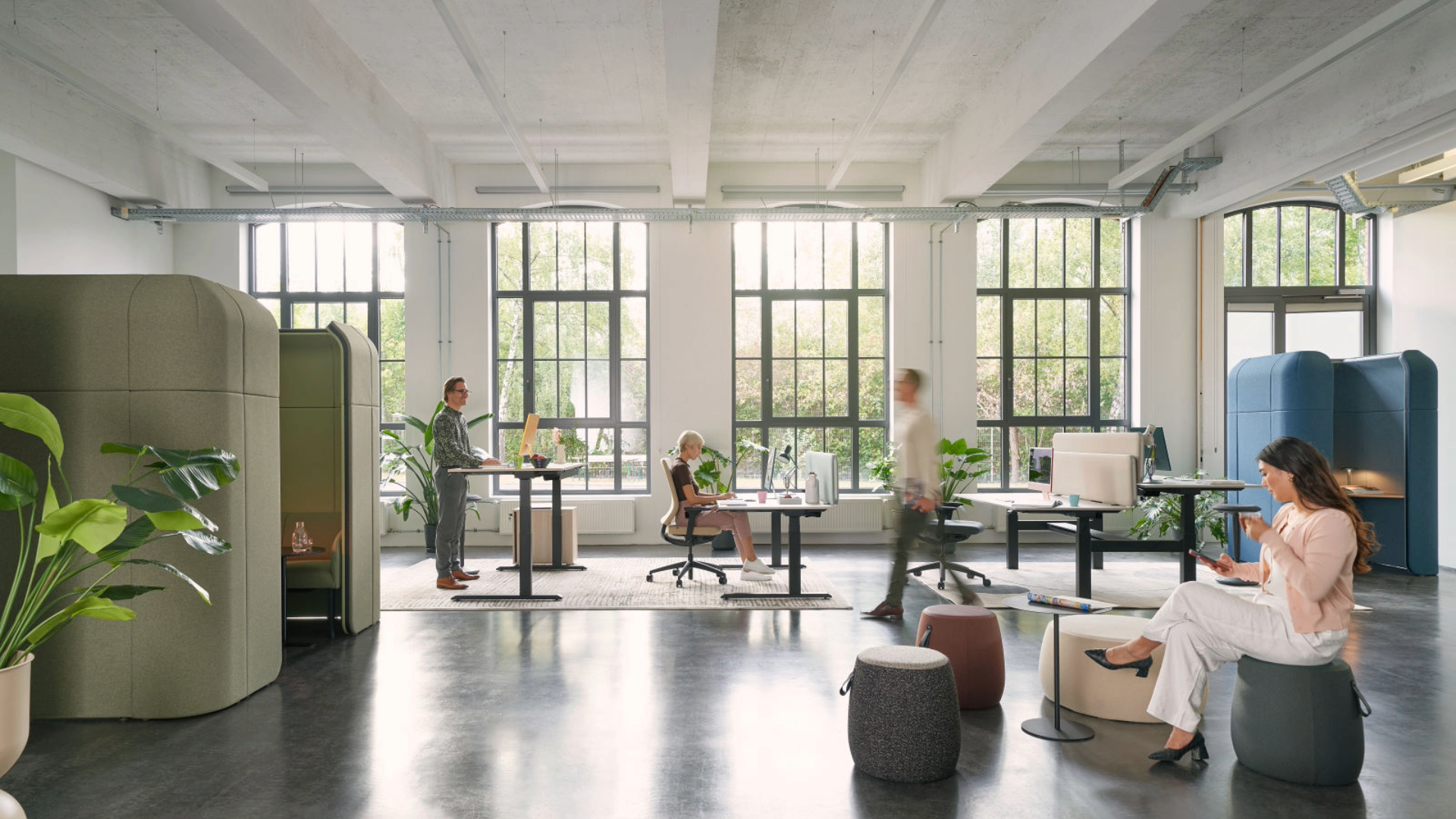

Neurodiversity Is Not a Niche Topic
Neurodiversity describes the natural variation in neurological profiles — from attention and sensory processing to perception and stress responses. It encompasses not only individuals with diagnosed neurodivergent profiles, but also anyone whose sensitivity fluctuates depending on task, daily condition, or environment.
In the office, this diversity becomes particularly evident:
- Some individuals require higher levels of stimulation in order to concentrate effectively.
- Others experience overstimulation even at low levels of sensory input.
Both groups coexist within the same work environment — and both require appropriate spatial conditions.
Understanding Hypo- and Hypersensitive Users
The distinction between hypo- and hypersensitive users is essential:
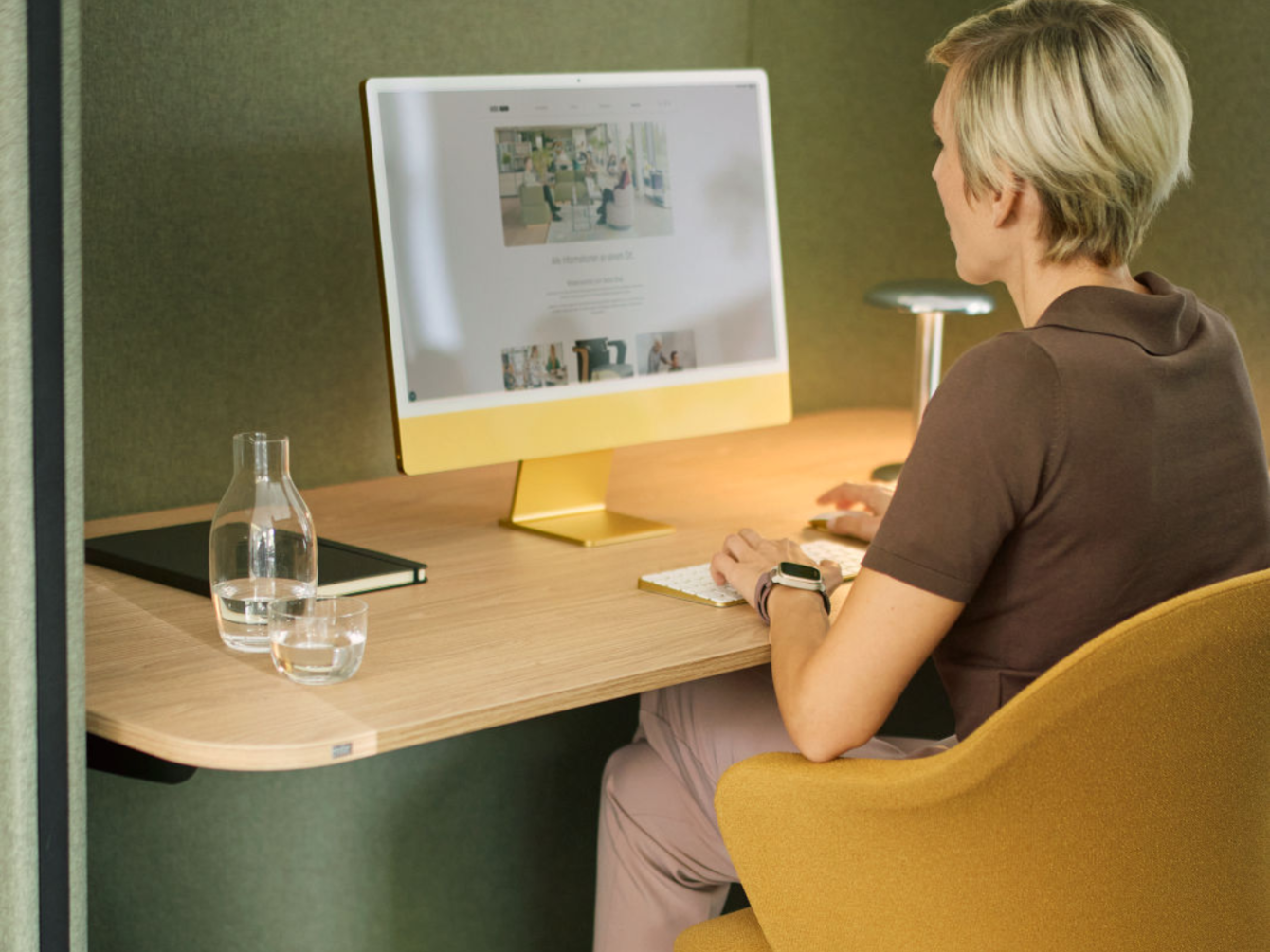
- Hypersensitive individuals respond strongly to visual, acoustic, or social stimuli. For them, protection, clarity, and reduced stimulation are crucial.
- Hyposensitive individuals, by contrast, often require stronger stimuli, movement, or visual impulses to remain alert and engaged.
An office designed exclusively for one of these groups inevitably excludes the other. Inclusive work environments therefore do not emerge through standardisation, but through diversity and choice.
Focus Emerges Through Control

A key insight lies in the importance of control over one’s environment. Concentration depends less on absolute silence than on the ability to regulate proximity, distance, and sensory input independently.
Translated into spatial terms, this means:
- Varying degrees of enclosure (open, semi-shielded, enclosed)
- Diverse lighting atmospheres and acoustic qualities
- Furniture and spatial structures that provide back protection, orientation, and a sense of security
These elements help stabilise the so-called ‘peripersonal space’ — the immediate area surrounding the body that is crucial for feelings of safety, presence, and attentional focus.
Inclusive Focus Settings as a Spatial Principle
Inclusive focus settings are not specialised rooms, but a system of differentiated spatial offerings. They enable individuals to choose the most suitable environment depending on their sensory profile, task, and energy level.
Such settings include:
- Quiet workstations with reduced sensory stimuli
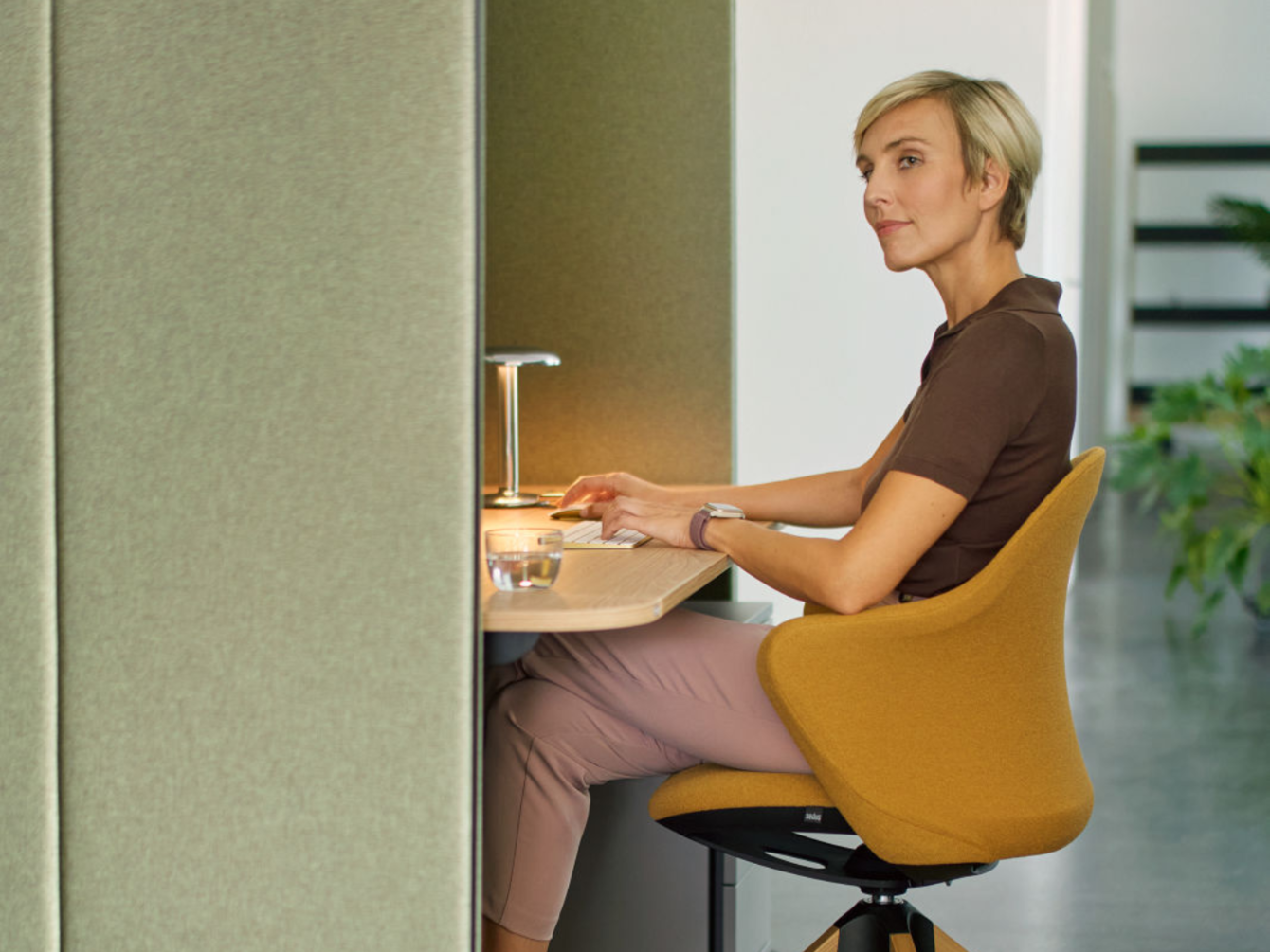
- Semi-shielded niches offering visual and acoustic control
- More active focus zones with greater movement and social presence
- Clearly defined transition areas that facilitate shifts between different states
This diversity not only creates improved conditions for neurodiverse employees, but enhances the overall quality of the work environment for everyone.
Diversity as a Competitive Advantage
Organisations that take neurodiverse needs seriously benefit in multiple ways. Inclusive work environments promote:
- Concentration and productivity through tailored spatial settings
- Well-being and mental health by reducing overstimulation
- Employer attractiveness, particularly for highly qualified professionals
- Innovation, by supporting diverse modes of thinking and working
Neurodiversity thus evolves from a peripheral concern into a strategic advantage.
Inclusion Begins with Space
Sedus INSIGHTS N° 20 makes it clear: future-ready offices are not designed for an idealised user group. They are open, differentiated systems that accommodate - and actively support - diverse sensitivities.
Anyone planning work environments today is not merely designing for functions, but for people. And those who create spaces in which both hypo- and hypersensitive users can concentrate are not only designing inclusively - they are laying the foundation for sustainable success.

social media channels: