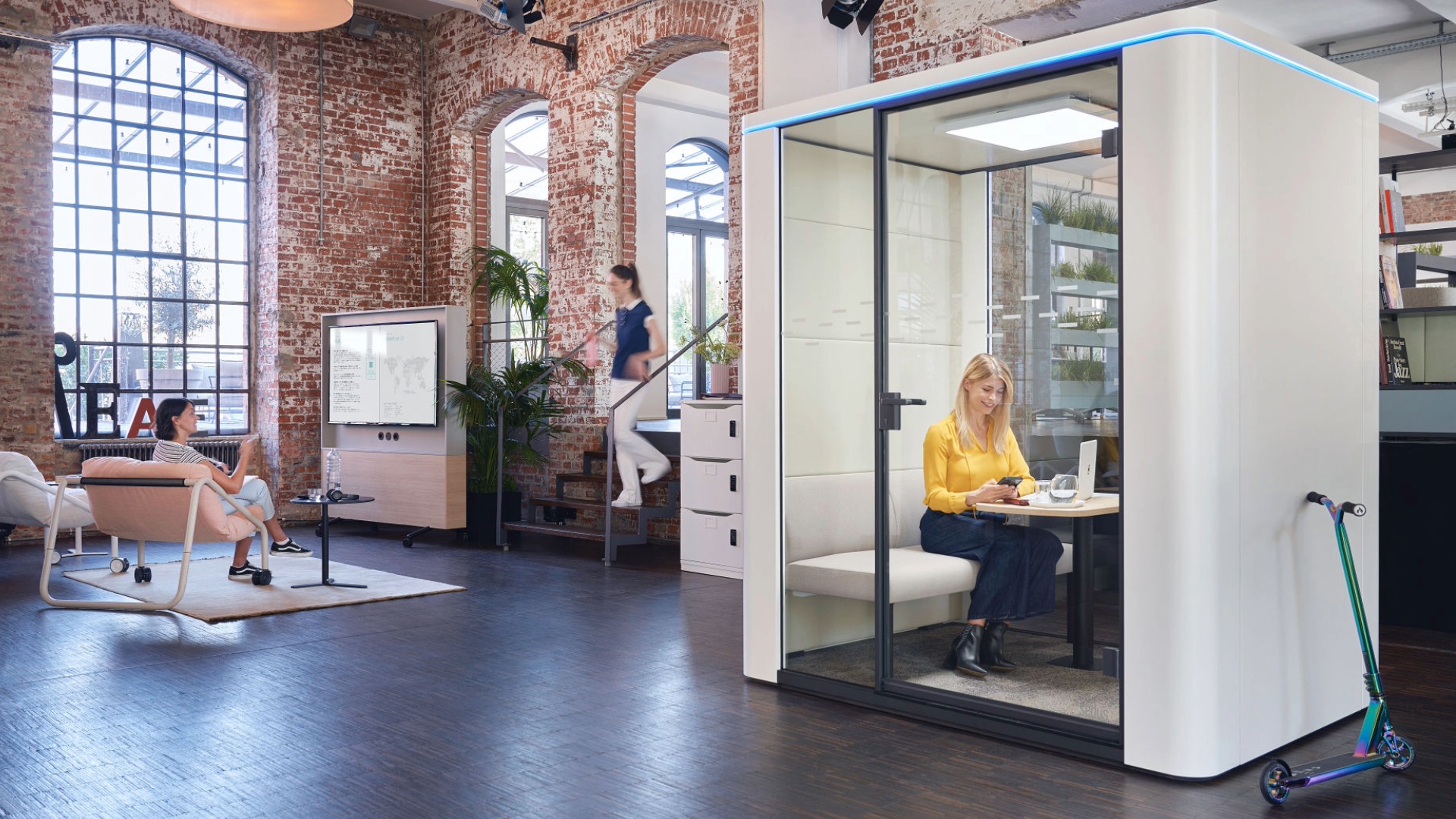

Focus zones are designed to facilitate concentrated work. However, many employees experience disturbances there from conversations, phone calls or colleagues walking past. The reason: a focus zone is not automatically a quiet workspace. For it to fulfil its purpose, spatial planning, acoustics and clear rules must work together. This article highlights the key factors and explains how companies can create reliable quiet areas.
Key points at a glance:
- Focus zones promote concentrated work and support complex cognitive tasks.
- Good acoustics alone are not enough – clear rules are equally important.
- The location within the office plays a decisive role in the effectiveness of a focus zone.
- Sound-absorbing materials dampen disruptive noise and improve the quality of work.
- Consistent rules increase acceptance and ensure long-term use.
What is a focus zone?
A focus zone is a workspace for tasks that require a high level of concentration. The aim here is to minimise distractions so that staff can work undisturbed. Typical activities include:
- Analyses and evaluations
- Conceptual work
- Writing and editing
- Programming
- Strategic planning
- Confidential tasks.
Unlike meeting or communication zones, the focus here is on individual work.
Focus zone, quiet zone or silent area?
These terms are often used interchangeably, but they describe different concepts.

It is important that the purpose of its use remains clear to all staff.
Why many focus zones don’t work
Many offices provide focus zones – yet they often remain unused or are only partially effective. The reasons are similar.
| Area | Purpose | Conversations |
|---|---|---|
| Focus zone | Concentrated individual work | Avoid where possible |
| Quiet zone | Short-term relaxation or quiet work | Only in exceptional cases |
| Silent area | Maximum quiet | Not intended |
Focus zones are in the wrong place
Quiet areas next to coffee corners, printers or meeting rooms are constantly subject to disturbances. Busy walkways also impair concentration. Right from the planning stage, you should check which areas of the office generate a lot of movement or communication.
Conversations and phone calls disrupt concentration
Even brief conversations can interrupt the flow of work. Phone calls and video conferences are particularly disruptive because the brain automatically processes speech. The better you physically separate conversations, the higher the level quality of concentration.
Poor room acoustics amplify every disturbance
Hard surfaces reflect sound. Voices carry further and seem louder. Good acoustics reduce reverberation and improve the quality of work.
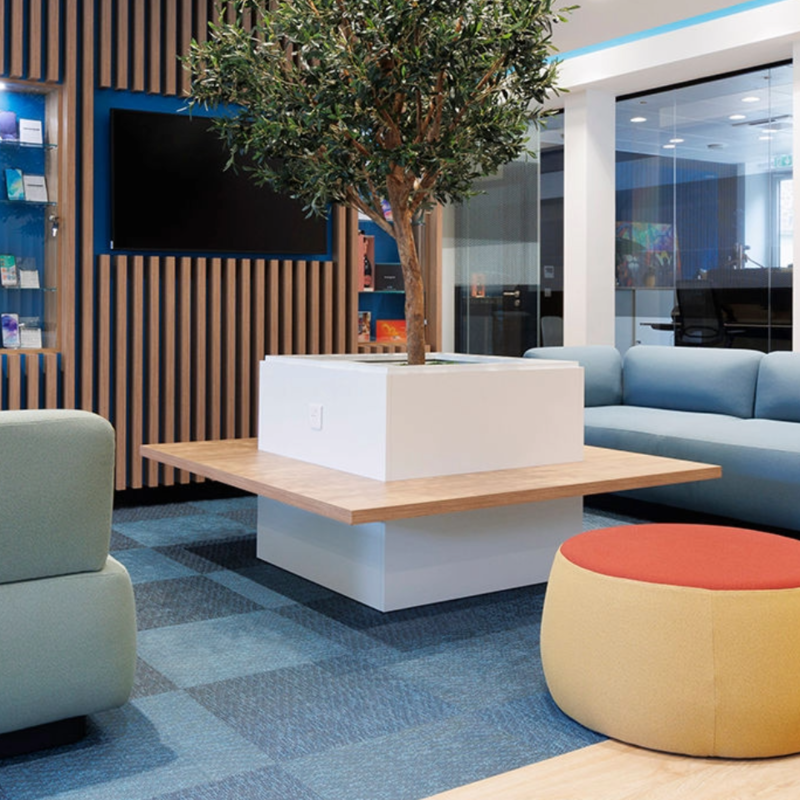
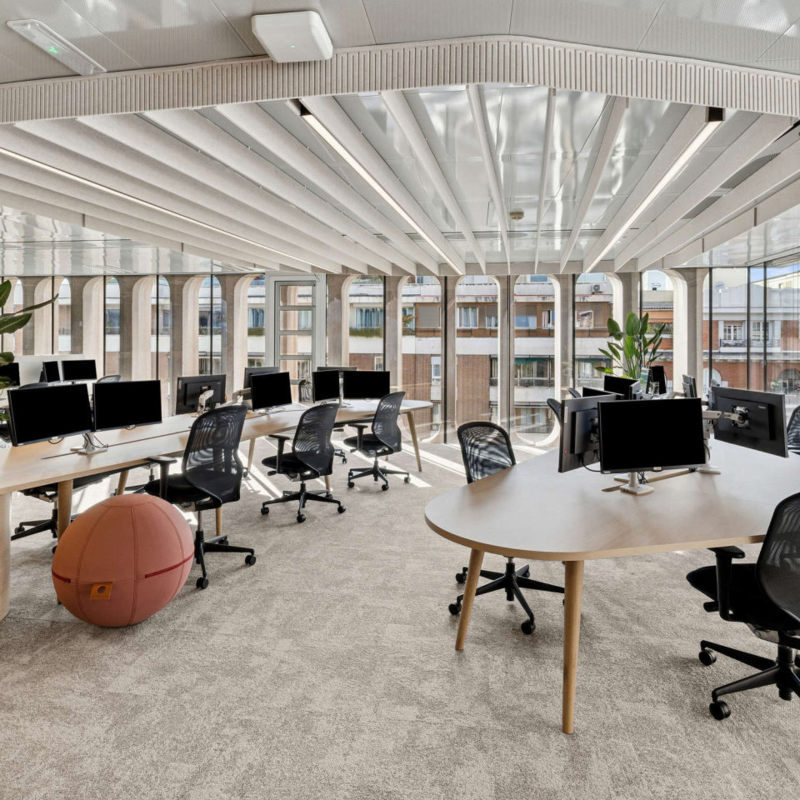
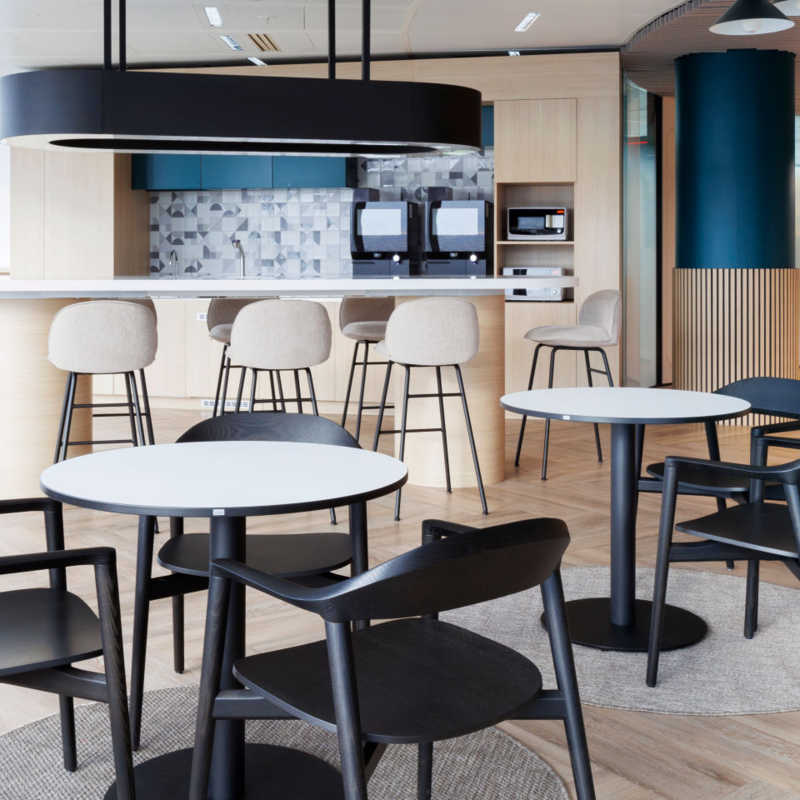
Take a look at our case studies and find out how other companies have tackled this issue.
There is a lack of clear rules
Even the best acoustic design is ineffective if there are unclear expectations regarding how the space is to be used. Clear rules provide guidance and increase acceptance. Note: A functional focus zone is created through the interplay of thoughtful interior design, effective acoustics and shared rules of conduct.

The most important acoustic rules for focus zones
1. Consistently separate communication areas.
Focus zones should not be directly adjacent to meeting points or meeting areas.
Clear zoning has proven effective:
- Communication zones
- Teamwork areas
- Focus areas
- Quiet rooms
The more clearly you separate these areas, the lower the potential for disruption.
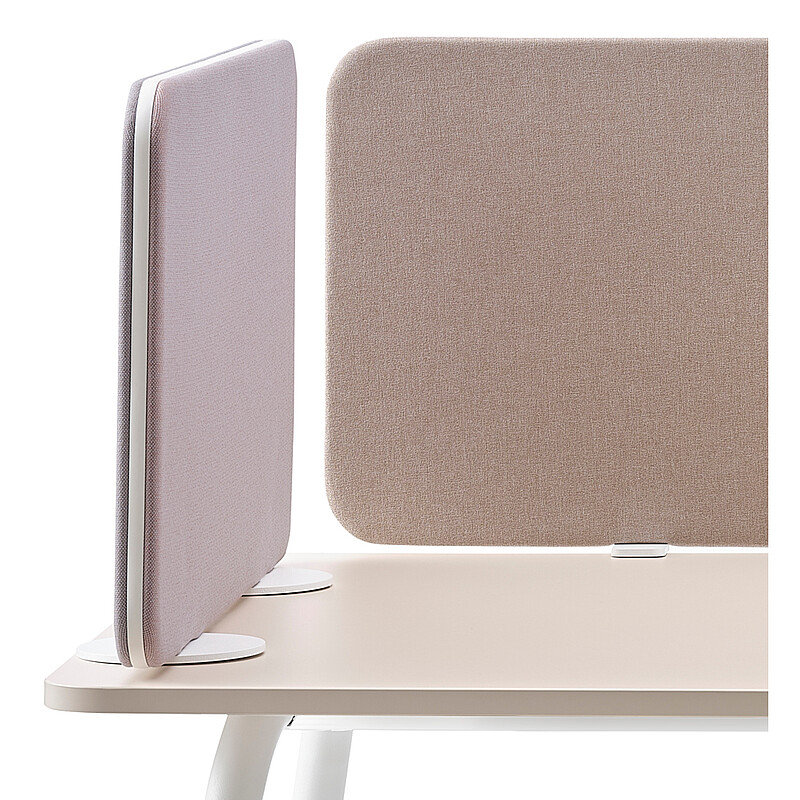
2. Absorb sound effectively. Sound-absorbing materials prevent noise from spreading unhindered.
Suitable measures include:
- Acoustic ceilings
- Wall absorbers
- Suspended ceiling panels
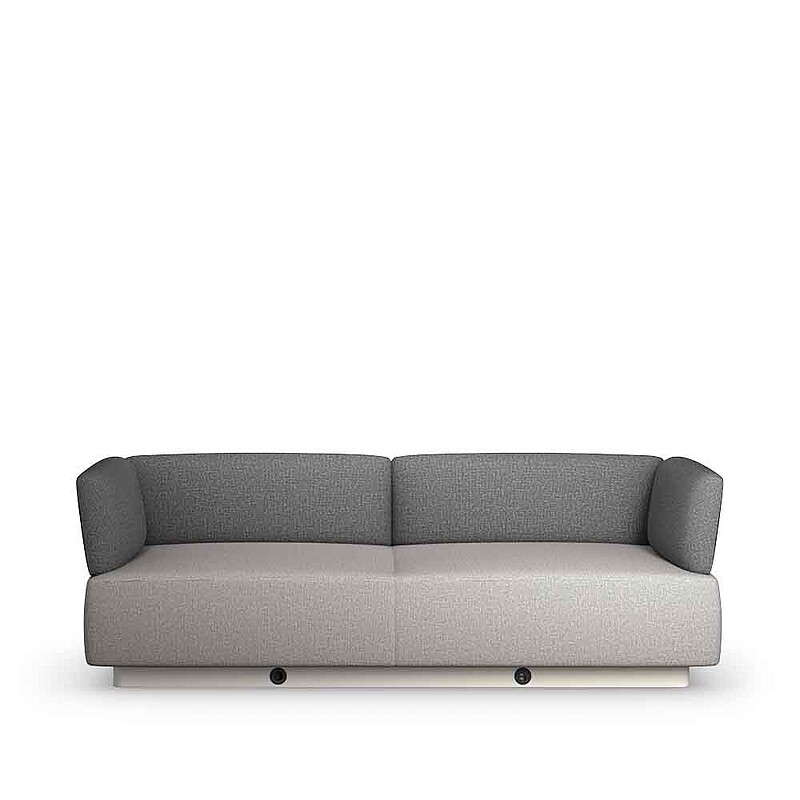
- Acoustic furniture
- Carpeted floors
- Acoustically effective partition walls
Always tailor your choice to the room’s size and intended use.
3. Reduce reverberation. Long reverberation times make it difficult to concentrate on work and increase perceived noise levels. By using suitable materials, you can reduce speech intelligibility outside the focus zone without restricting communication in other areas.
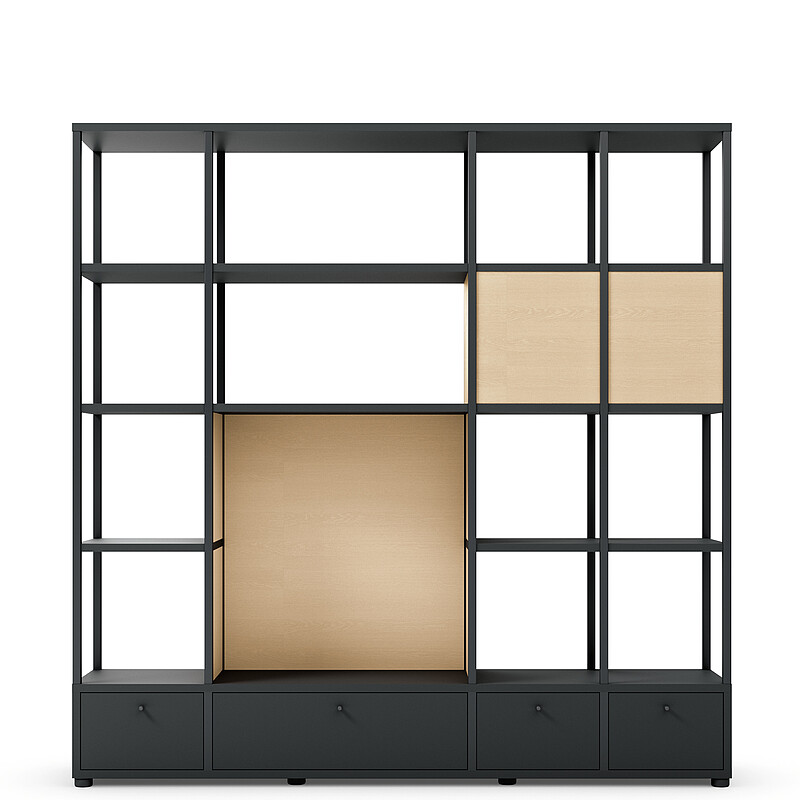
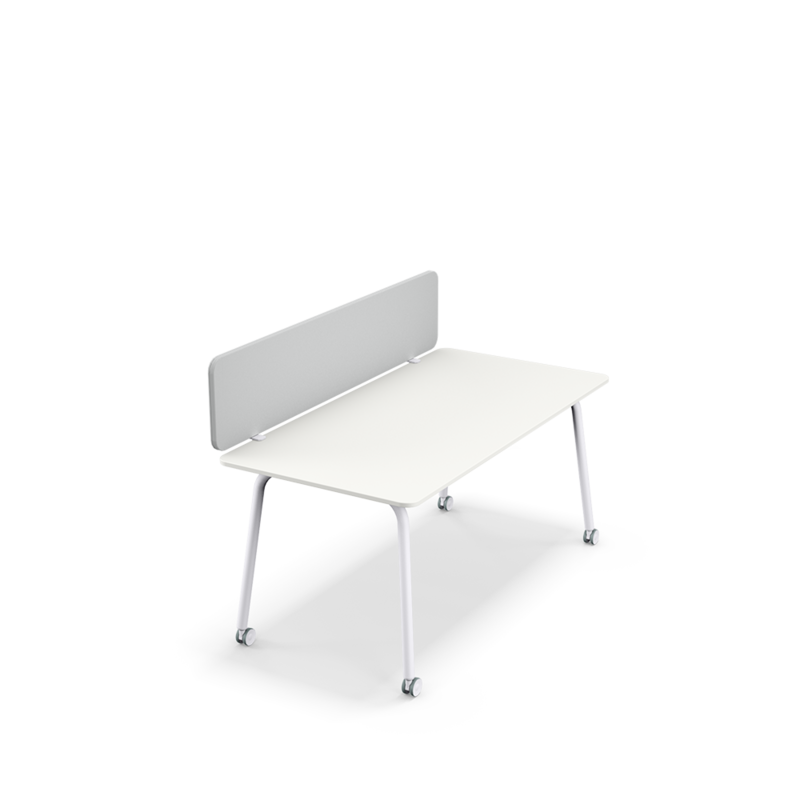
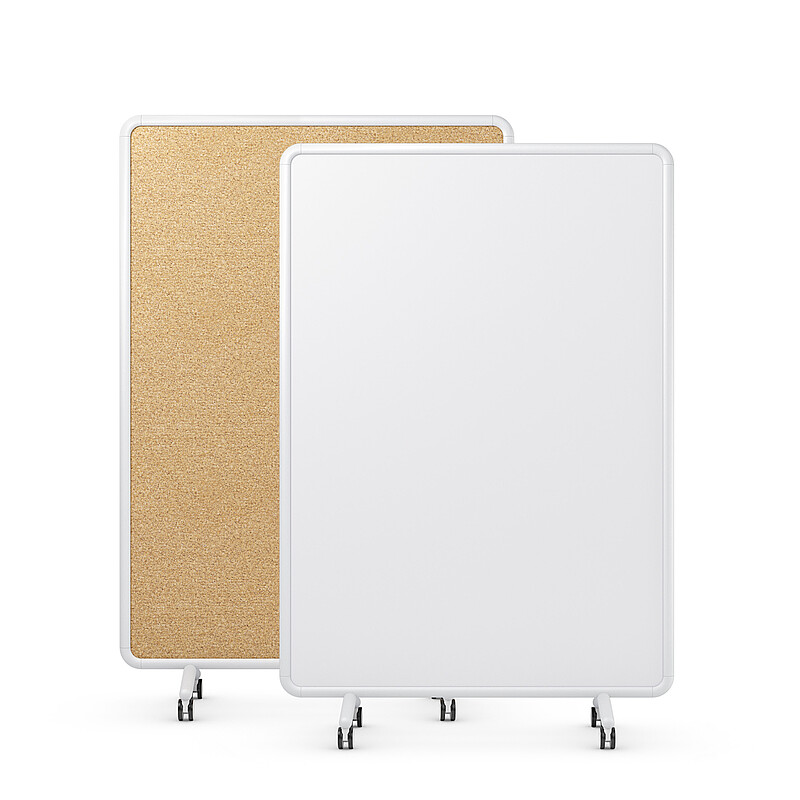
4. Use visual screens effectively. It is not just noise that causes distraction. Constant movement within your field of vision can also disrupt your workflow. Half-height room dividers, plants or shelving reduce visual distractions without completely sealing off spaces.
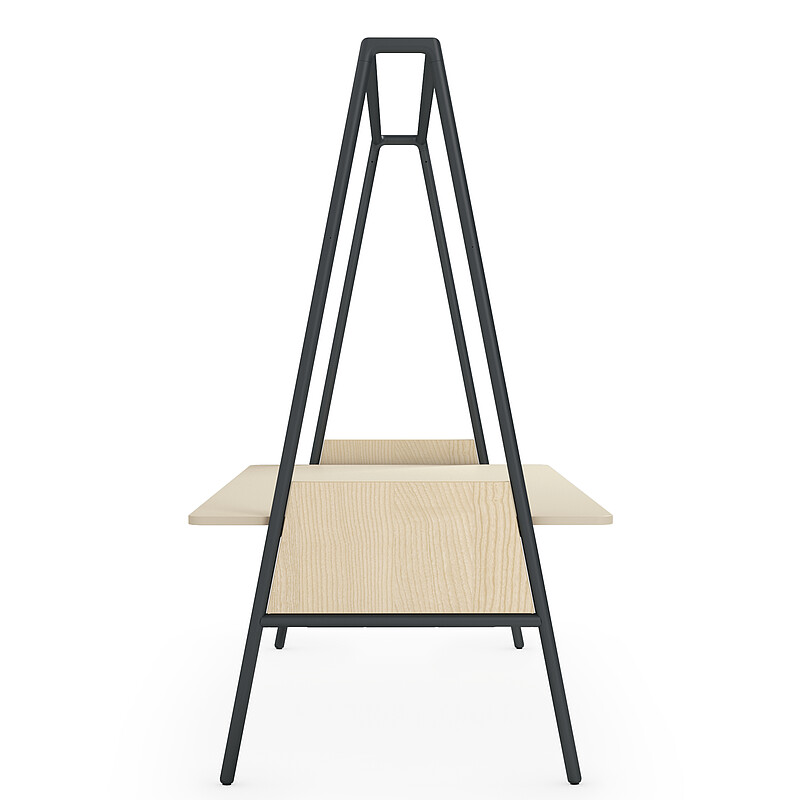
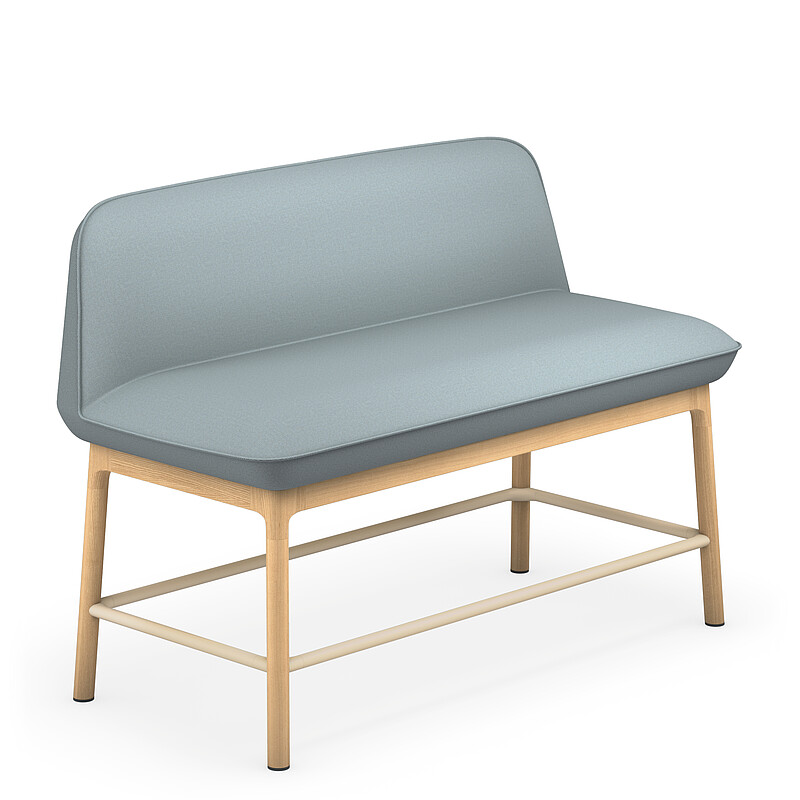
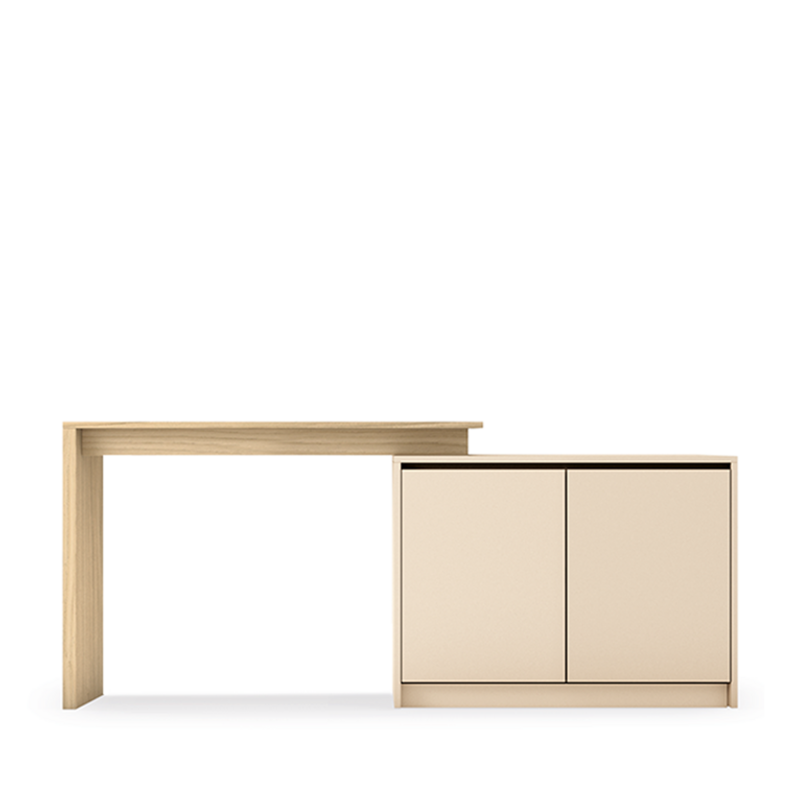
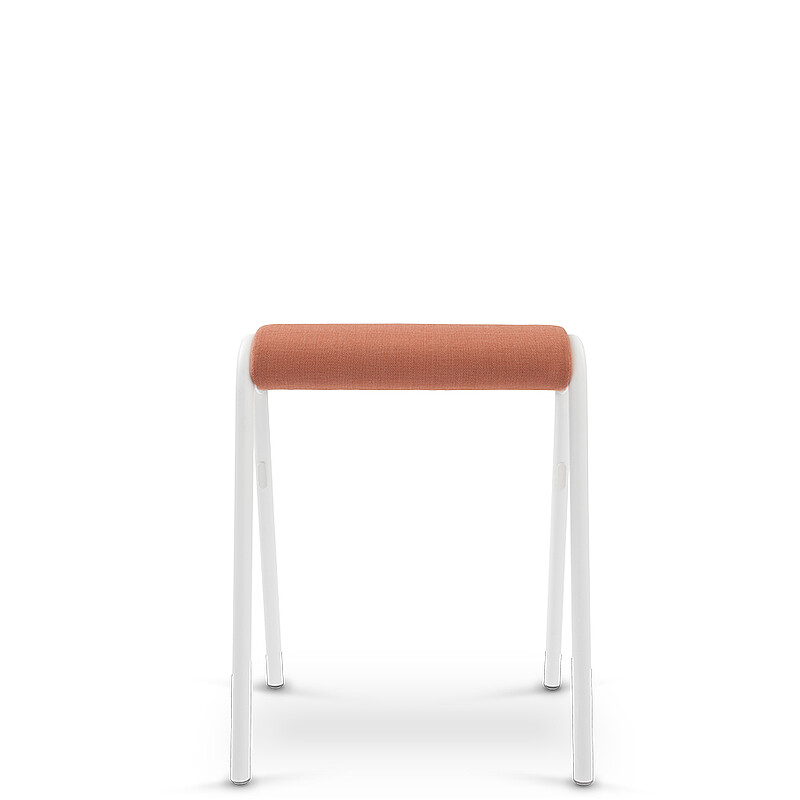
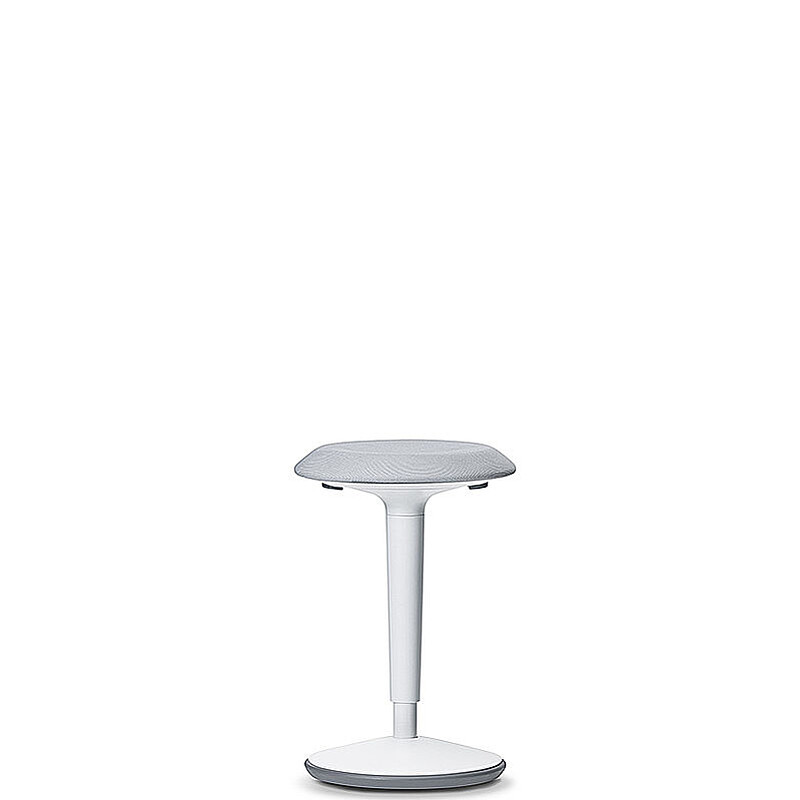
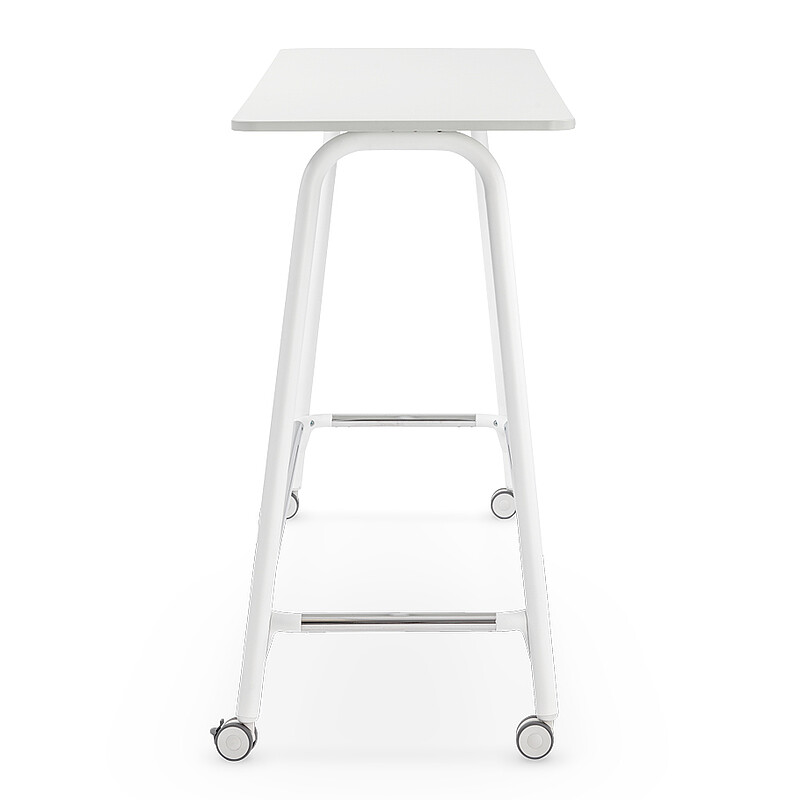
5. Choose the right furniture. Workstations designed for focused work differ from team workstations.
Suitable options include:
- Ergonomic office chairs
- Height-adjustable desks
- Acoustically effective workstations
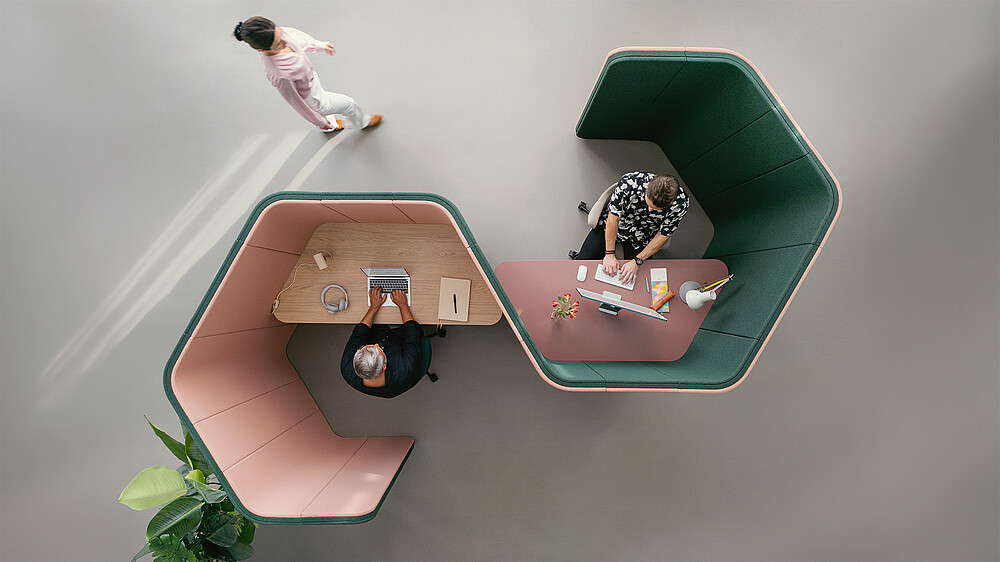
Room-within-a-room solutions for particularly sensitive tasks
Positioning focus zones correctly in the office
- The location determines the success of a focus zone.
- Proven principles include: • Distance from kitchens and social areas • No thoroughfares • Sufficient distance from meeting rooms
- Good orientation within the office space
- Clear signage
Short distances between communication and focus areas make it easier to switch between different ways of working.

Positioning focus zones correctly in the office
The location determines the success of a focus zone. Proven principles include:
- Distance from kitchens and social areas
- No thoroughfares
- Sufficient distance from meeting rooms
- Good orientation within the office space
- Clear signage
Short distances between communication and focus areas make it easier to switch between different ways of working.
Establishing rules of use helps ensure a consistently quiet environment
Technical measures are only fully effective when complemented by clear rules of conduct.
Proven rules include:
- Making phone calls outside the focus zone
- Holding video conferences in suitable rooms
- Setting notifications to silent
- Moving conversations to communication areas
- Clearing workstations once a task is complete
- Showing consideration for other users
Visible signs or brief guidelines make it easier to find your way around and promote consistent use.


Common planning mistakes
Many problems can be avoided right from the planning stage. Typical mistakes include:
- Focus zones adjacent to heavily frequented areas
- Insufficient sound-absorbing materials
- Missing or unclear usage rules
- Dual use as a meeting space
- Lack of visual demarcation
- Inadequate signage
The earlier you take these aspects into account, the more effectively the overall concept will work in the long term.
Checklist for an effective focus zone
Assess your working environment using these questions:
- Is the focus zone located away from high-traffic areas?
- Are telephone calls and video conferences prohibited?
- Do the room’s acoustics support focused work?
- Are there sufficient sound-absorbing materials?
- Are there clear rules of use?
- Are these rules clearly communicated?
- Is the furniture suited to focused work?
- Can staff work undisturbed?
The more questions you answer ‘yes’ to, the more likely staff are to accept and use the focus zone on a long-term basis.
Practical example: From an open-plan office to a quiet workspace
One company found that employees rarely used the focus workstations. Frequent interruptions from phone calls and people walking past made it difficult to concentrate. Following a redesign, the company physically separated the focus workstations from communication areas. It also introduced sound-absorbing elements, privacy screens and clear rules of use were introduced. The result was a significantly quieter working environment and greater acceptance of the focus areas in everyday work.
Frequently asked questions
Are acoustic panels sufficient to create a focus zone?
No. Acoustic panels improve room acoustics, but they are no substitute for well-thought-out spatial planning or binding rules.
How large should a focus zone be?
The size depends on the usage concept and the number of staff. A clear functional demarcation is more important than the floor area.
Are telephone calls permitted in focus zones?
If a focus zone is intended to facilitate concentrated work, telephone calls should, as a general rule, take place in areas designated for that purpose.
When is a ‘room-within-a-room’ solution worthwhile?
For tasks with particularly high requirements for confidentiality or concentration, ‘room-within-a-room’ systems offer a useful addition.
Conclusion
Focus zones are an essential component of modern working environments. To be effective, they require several elements to work together. Well-thought-out spatial planning reduces distractions, acoustic measures improve working conditions, and clear rules provide guidance and promote acceptance within the team. It is only the interplay of these elements that transforms a designated quiet area into a place where concentrated work can truly thrive. Would you like to design focus zones sustainably? Whether you are designing open-plan offices, activity-based workplaces or hybrid working environments – successful focus zones are not created by individual products, but through a holistic planning approach. Discover more solutions for office acoustics and workplace design, or arrange a personalised consultation to find the right approach for your workplace.
Related posts
Designing Unique Retreats: From Soft Seating to Micro-Architecture
Transitional Spaces: The Underrated Boosters Between Teamwork and Focus


social media channels: