
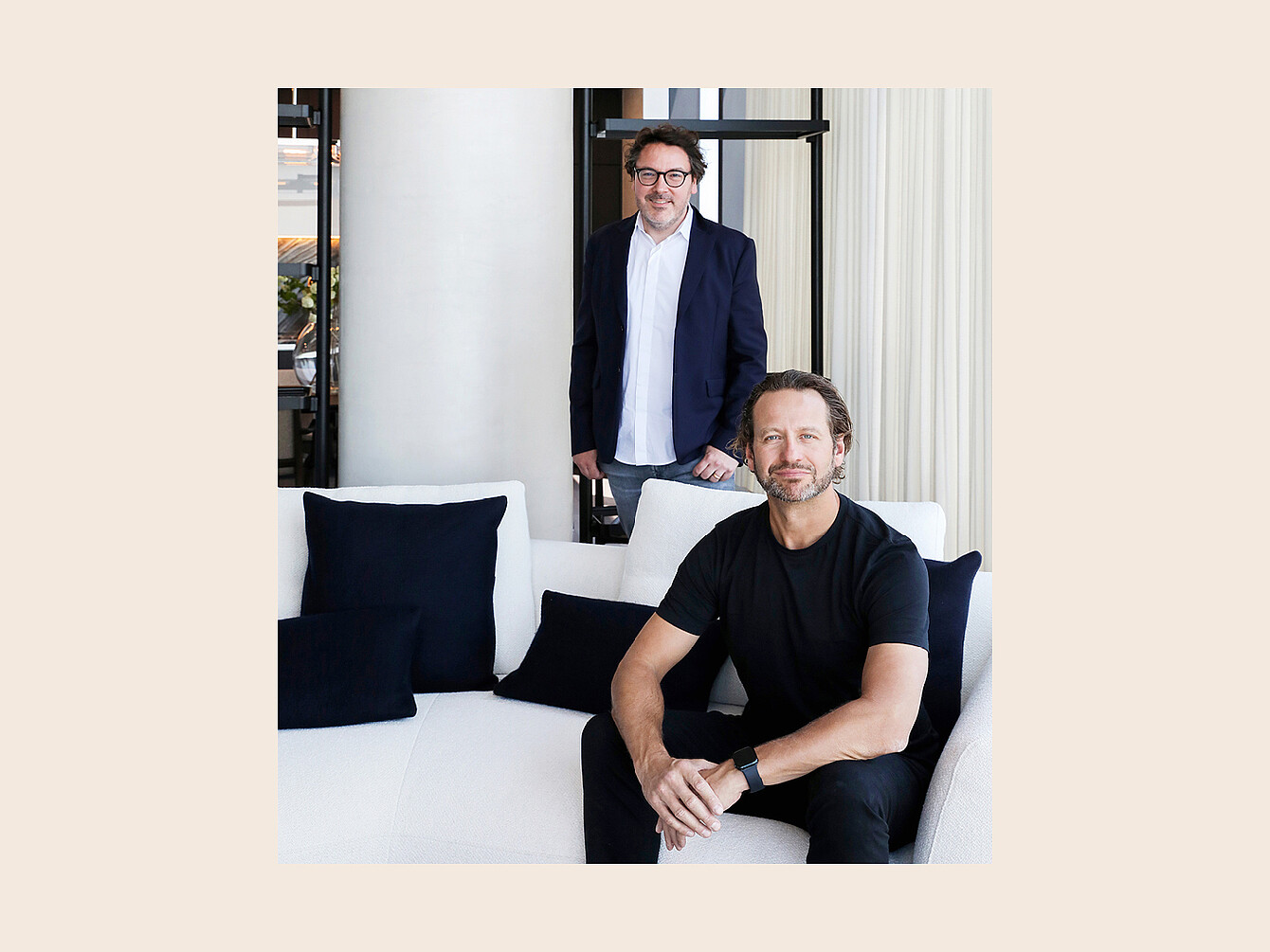
An internationally renowned interior design studio that has already implemented numerous projects with a focus on hybrid hospitality is MAWD | March and White Design. Established in 2010 by Elliot March and James White, the award-winning interior design firm stands at the intersection of luxury, innovation, and unparalleled design experiences. In our interview, we spoke with Elliot and James about the new demands on hybrid hospitality and about implementing these new requirements in interior design projects.
The pandemic made remote work the norm rather than the exception. Alongside the office and home office, “third places” have come into focus. How do you view this development?
Elliot and James: We view third places as incredibly important in shaping our own expectations and experiences of work. As founders of a global design company, we often find ourselves travelling internationally, working from hotels, airports, and members clubs. Many of the amenities and functions of third places have now come to influence traditional work spaces, and transformed our expectations of the office’s form and function. As such, traditional office spaces are now looking to emulate the flexibility, allure, warmth, and amenities of hotel lobbies and private members clubs. Both leading global firms and boutique offices are transforming in tandem, working to keep up with, and often setting new standards, in how office design reflects their own corporate brands and values.
Beyond work cafés, coworking spaces, and libraries, the hotel industry is playing an increasingly important role. Hybrid accommodation is becoming a hallmark of new hotel concepts. What is your perspective on this trend?
Elliot and James: To make spaces futureproof and provide the most value and personalisation for clients, we are supportive of flexible areas that can seamlessly transform from day to night. For many of our hospitality and residential projects, we have worked on functional lounges where residents and guests can work by day, and relax with a drink at night. High quality craftsmanship and sophisticated design make spaces both multifunctional and inviting – creating environments where people want to spend time.
The hotel sector is uniquely positioned to support the shift towards remote and hybrid work by rethinking how rooms function. What design elements are crucial for hybrid hotels?
Elliot and James: We feel there is great value in ergonomics, and ensuring spaces are comfortable and functional to work in. We have seen many hotels and residential projects upgrading work spaces to include soundproof rooms for meetings, and even technology-enabled podcast rooms for those in creative and media sectors. When designing work spaces outside of the traditional office setting, we lean heavily into hospitality-led design. These spaces are both supportive of deep work, while also prioritising room for professional connection and collaboration. Some of the more playful elements we have added include coffee and drink bars within coworking lounges, which everyone can enjoy – from morning business meetings, to an evening apéritif with colleagues.
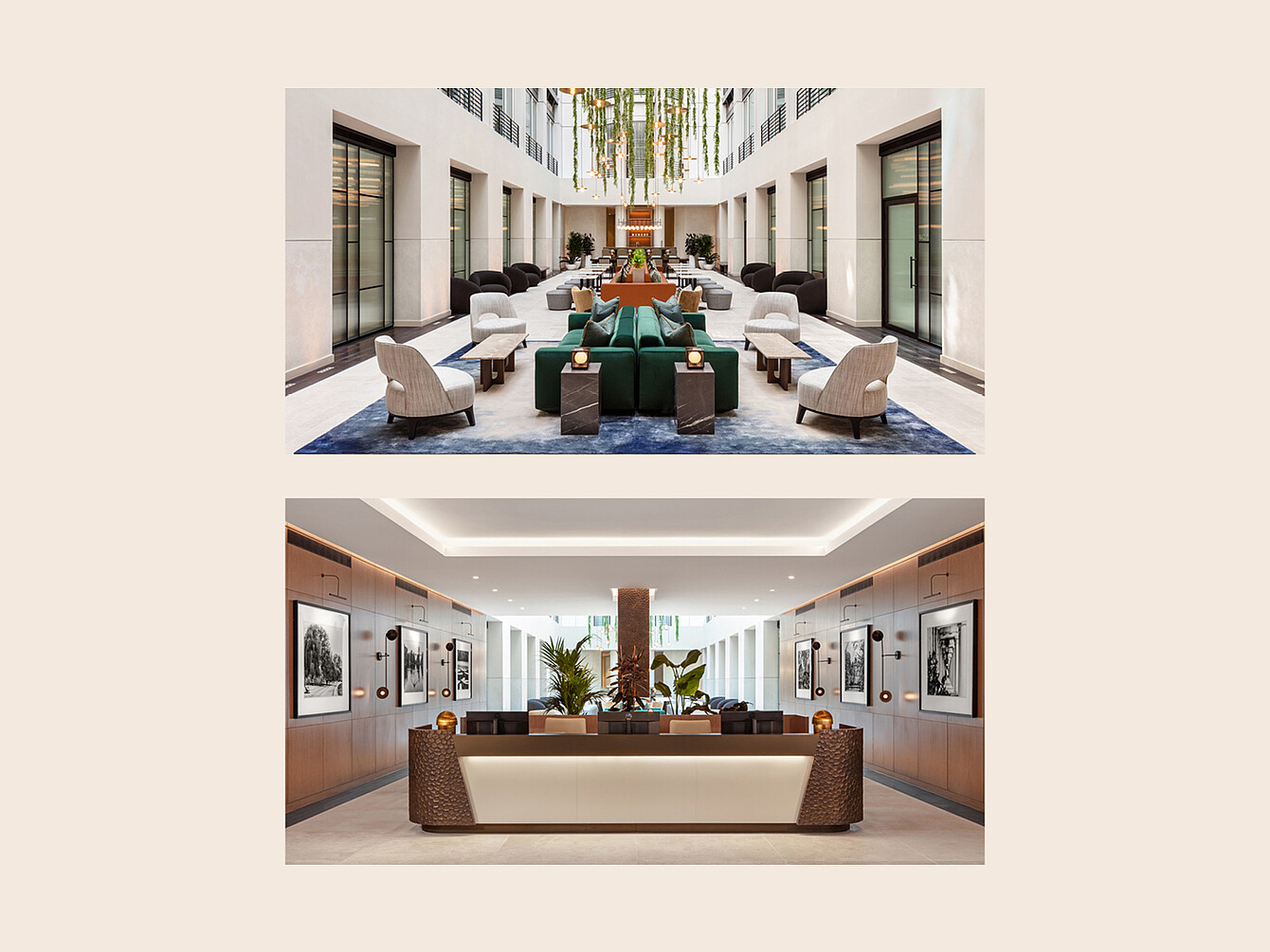
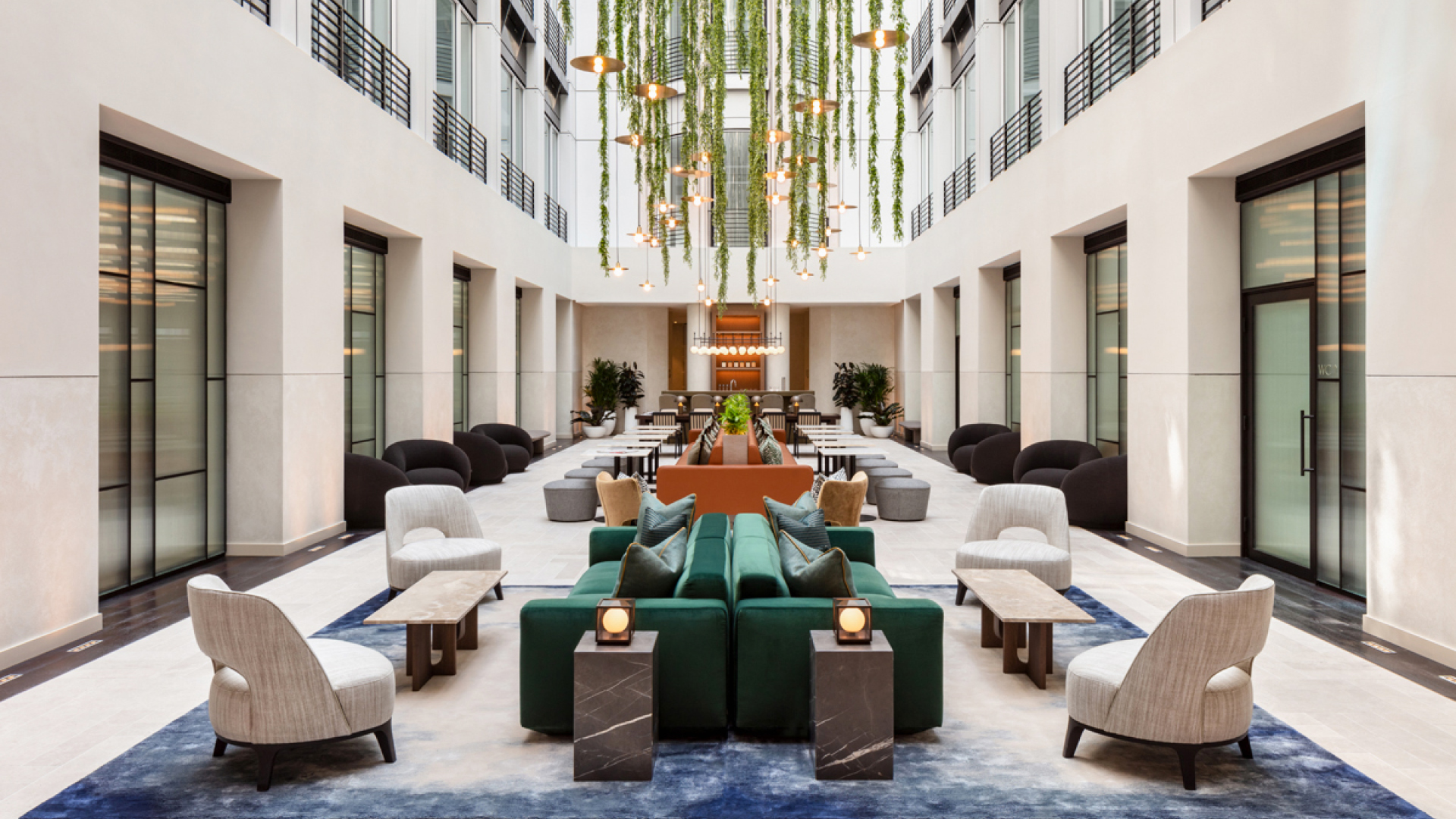
With a focus on environmental ethics, traditional luxury, and hospitality-style amenities, the approximately 13.000 mª workspace “No.1 Knightsbridge” in London has been thoughtfully designed to seamlessly blend a day-to-night design with a professional atmosphere.
The impressive reception desk serves as a captivating centrepiece, creating a setback expansion that opens up the heart of the space.
The hybrid hotel concept is not only relevant for short stays. More and more long-term residents are choosing hotels over serviced apartments. What makes hybrid hotels more attractive?
Elliot and James: Having worked on both hotels and branded residences worldwide, we are continually seeing greater demand and interest in resort-quality amenities and services. We believe this focus on experience has elevated the hospitality sector, which often taps directly into the values of clients and guests, either through wellness, F&B integration, or, through supporting professional ambitions via coworking and entertaining spaces.
Hybrid hotels take many design approaches. But which community spaces are essential for these concepts to truly convince users?
Elliot and James: Community is a powerful tool. When we think of hotels or private members clubs, we think of aspirational and value-based communities we want to “tap” into, and be part of. When designing hotels and hospitality spaces, we often plan amenity areas to support social activities and engagement. This aligns with growing trends of leading hotels to host everything from wellness and yoga classes to intimate wine tastings. Community spaces that are supportive of this high-end programming are valuable – not only by creating memories for guests, but setting new standards in the field.
Hybrid hospitality is being embraced by more than just hotels. Offices, too, are increasingly evolving into community hubs. How do you see this development in the workplace?
Elliot: We see this development as a positive transformation, and view offices as spaces where people build meaningful connections, collaborate, and ultimately work together to achieve goals that require this interpersonal trust, community, and connectivity. Before we begin planning and designing office projects, we listen closely to our clients and conduct extensive research into the company and its culture. One notable example can be seen in our studio’s work for “Tech Office HQ” in Los Angeles. When researching the company, we discovered an existing football league where colleagues played together after work. While they had previously played at a local park, we were able to transform the building’s lower level into a custom and fully branded football pitch, where the league could congregate and flourish. With the rise of hybrid-work and third places, we feel that this community becomes even more vital within the workplace. When designers and architects take the time to understand their clients, and build on what already exists, it creates space for creativity and innovation.
You recently renovated No.1 Knightsbridge in London, a project that blends environmental ethics and luxury with hotel-style amenities. Which design elements were most important in the redesign?
James: There were a few elements that we prioritised in the project. As you noted, our studio worked to improve carbon efficiency and sustainability principles through well researched materials and FF&E design. The project later received an A-grade EPC level rating, in addition to “BREEAM Excellent” and “WELL Gold Ready” accreditations. Secondly, we wanted the space to feel luxurious with members club-style amenities to best support the ambitions and lifestyles of today’s contemporary executives. The design work on No.1 Knightsbridge maintains a high level of craftsmanship, with luxe materials and finishes. Our ultimate design goal, however, was to create amenity spaces that fostered connection and community. We achieved this by designing different sections on the ground floor to serve a variety of functions, from business meetings, to smaller gatherings. An F&B inspired wet bar serves as the focal point, and the perfect backdrop for company sponsored happy hours and celebrations.
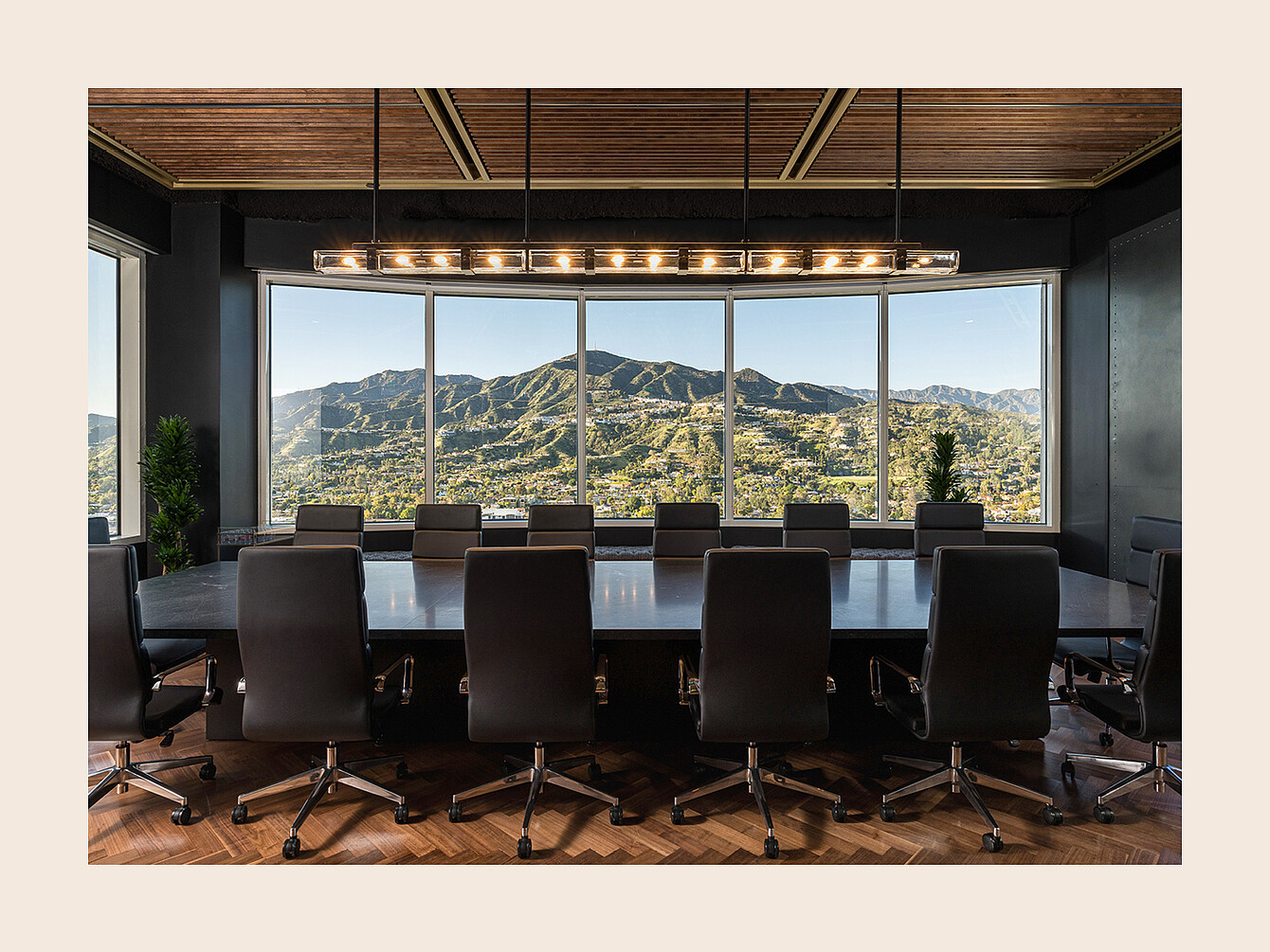
MAWD | March and White Design recently completed a notable technology company’s Los Angeles Headquarters. The office space was strategically designed to support overall employee experience by balancing collaborative areas with zones that maximise individual (and group) focus.
You chose natural materials and muted tones for the interiors. What guided this decision?
James: As part of our environmental commitment to the project, we worked with raw and natural materials such as wood, marble, and stone to create a warm and inviting pro- file. As No.1 Knightsbridge’s amenity spaces aimed to serve a variety of firms, we wanted to create an elevated entrance that could fit the needs of various companies inhabiting the office tower. It was also important to create a space where wellbeing was prioritised through prominent biophilic design principles in the lobby’s interior and grand atrium.
In Los Angeles, you redesigned the Tech Office HQ. What was the company’s brief? What needed to remain, and what could change?
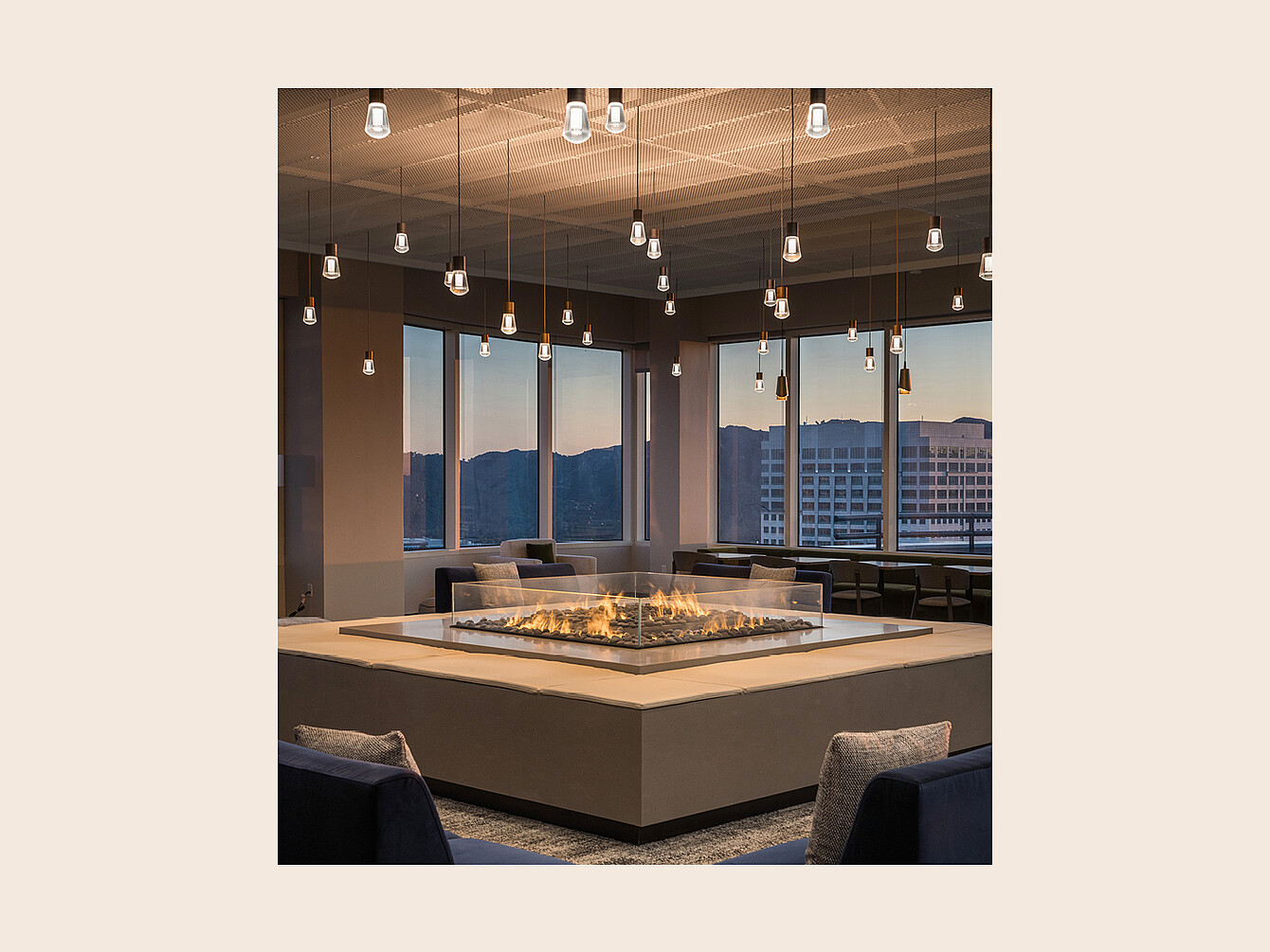
Elliot: The project was an adaptive re-use story, and our team had the flexibility to reimagine the space to best support the technology company’s dynamic needs. There was a focus on the client’s side to create an environment that was a destination for employees, a space where creativity and collaboration are at the core. Several food and beverage elements made their way into the design, in addition to a fireplace on the executive floor suitable for company celebrations. While collaboration was prioritised, each working floor was specifically designed to meet the needs of each team. For example, the engineering floors have been structured for more focused work, while more collaborative teams were given a variety of flexible spaces that could adapt to both large and small presentations.
What was the greatest challenge in delivering that project?
Elliot: We were able to re-work the existing floor plans to accommodate two primary user pathways: one for internal employees of the company, and a second pathway dedicated to the client experience. These two journeys allowed our team to make the best use of space, while fully accounting for the differing needs of those who would be visiting the office space.
Finally, where is the journey of hybrid hospitality headed? What developments can we expect in the next five to six years?
Elliot and James: The ways that we live, work, and play are continually being shaped and transformed. While it is not always possible to anticipate how these transformations will impact our built world, there are tools that our studio utilises to build more resilient interiors. Part of the value we provide to our clients is that our work remains timeless in terms of both aesthetics and function. How do we design for this resilience? We believe in multifunctional and flexible spaces, prioritising wellness and sustainability, and emphasising both site-specific location and personalisation for the end-user. While we are already capitalising on these elements today, we believe in these core tenets and have already seen how they will successfully carry us into the next five years, and beyond.
The interview with MAWD | March and White Design was first published in the Sedus LOOKBOOK N° 03. You can receive the full issue of the magazine, by email, here.

social media channels: