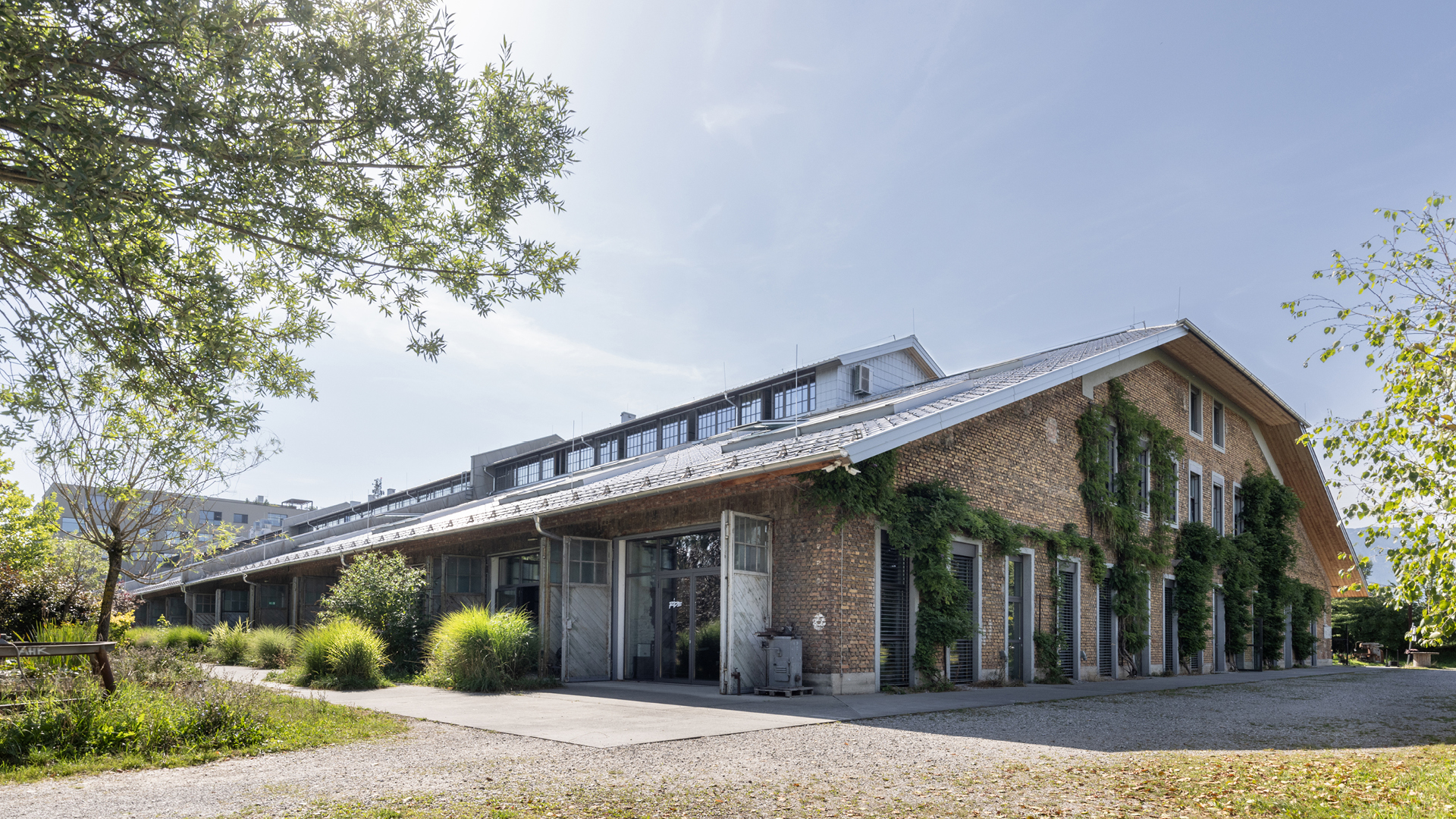

The premium coworking space is located on the grounds of the Panzerhalle Salzburg, which was built in 1939 and served as a workshop for tanks and other military vehicles. Today, the brick building is used as an event location, market hall, and creative hotspot. The approximately 20,000 m² business park, which has developed around this historic setting, also includes a new building where bluebird.space has found its home. There, around 60 residents form a lively community. Instead of traditional workplaces, the focus is on connection and collaboration. Workspaces, meeting areas, and communal zones lay the foundation for a culture that goes far beyond just getting the job done.
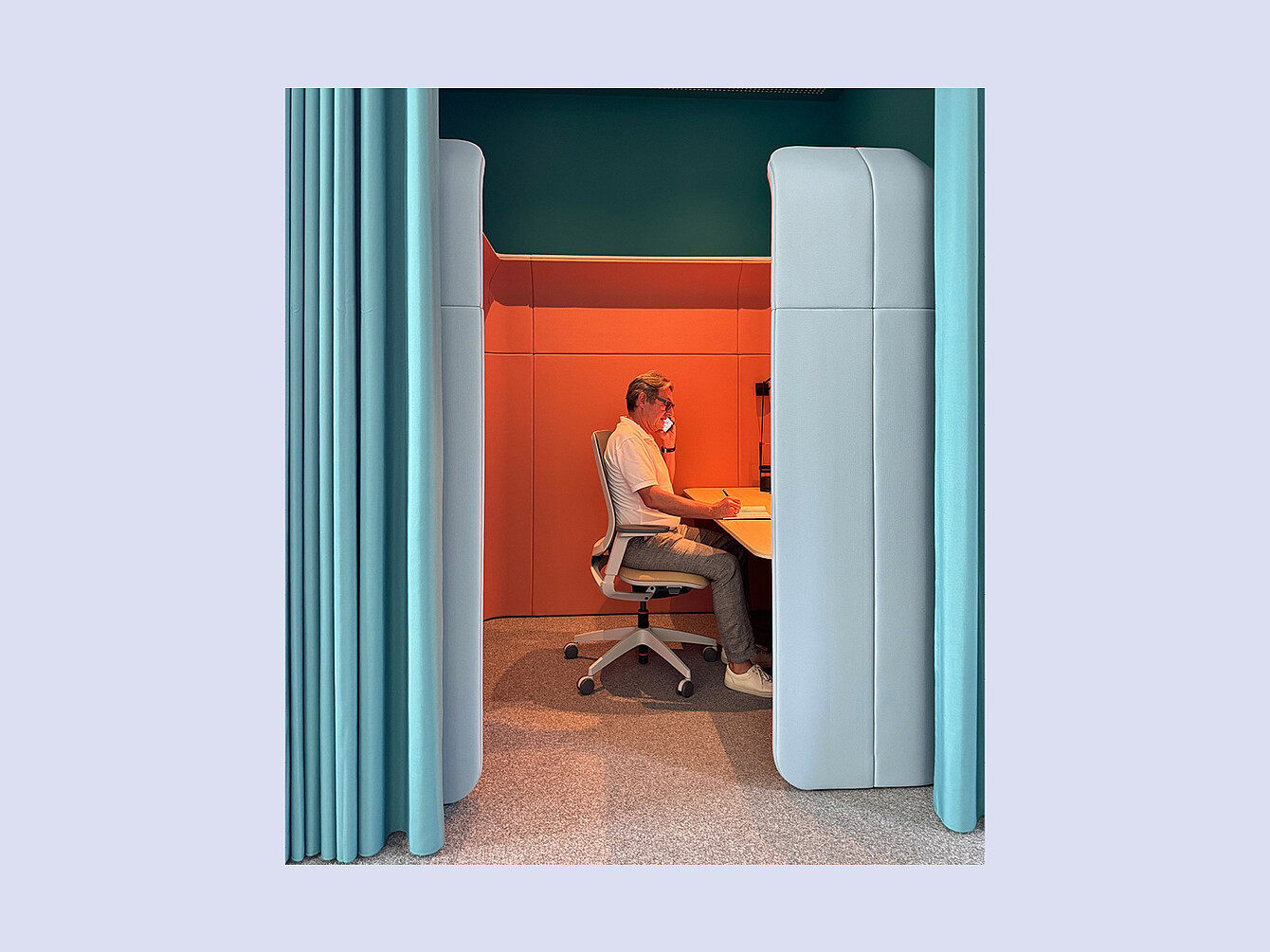
After five years, founders Helene and Markus Stainer took the next step: a redesign, planned and implemented within a year. The goal was to use the space more efficiently, eliminate dead zones, and expand the possibilities for co-creation. With activity-based working and clear zoning, a spatial concept was created that responds even more strongly to the needs of the residents.
Valuable input came from the community. Not only were flexible furniture and new usage scenarios created, but the heart of the space, the Work Café, was also redefined as a transformable place between retreat and encounter.
Today, bluebird.space shows how a well-thought-out redesign not only transforms spaces, but also brings to life a vision of freedom, community, and the future of work. In an interview with Helene and Markus, we learn more about this creative process.
Five years after opening bluebird.space, you decided to redesign your coworking space. What were your reasons for doing so?
We could have simply sat back and relaxed – our residents were happy, and in 2023, a panel of experts even named us one of the most beautiful coworking spaces in Austria. But then Sedus brought fresh inspiration, and suddenly, we were full of new ideas, thinking up new ways to better support our residents’ needs. The redesign was a deliberate decision, an upgrade driven by conviction, designed to reflect our vision of a “Great Good Place to Work”.
How did you approach the planning? How did you decide which areas to keep and which to adapt?
We always had the idea of creating a workplace with bluebird.space that people would look forward to coming to every day. Over the years, we closely observed which areas were particularly popular and which were hardly used. This is where we started: we kept and optimised what had proven itself and replaced what was rarely used. One example: sofas that looked cool but were rarely used gave way to more flexible solutions. New additions include mobile and height-adjustable tables for the event zone – functional and versatile.
How did you involve your residents in the redesign process?
Feedback from our residents and guests is a key point of reference for us. We take it very seriously and it is incorporated into all our considerations. In addition, there were daily conversations in the Work Café and discussions at community meetings. Our philosophy is to understand the needs and expectations of our customers and then translate them into practical settings in the best possible way. Our residents were involved in our plans from the very beginning, and some actively participated in the redesign.
The Work Café is the central anchor point in your new community hub. What was the decisive reason for this?
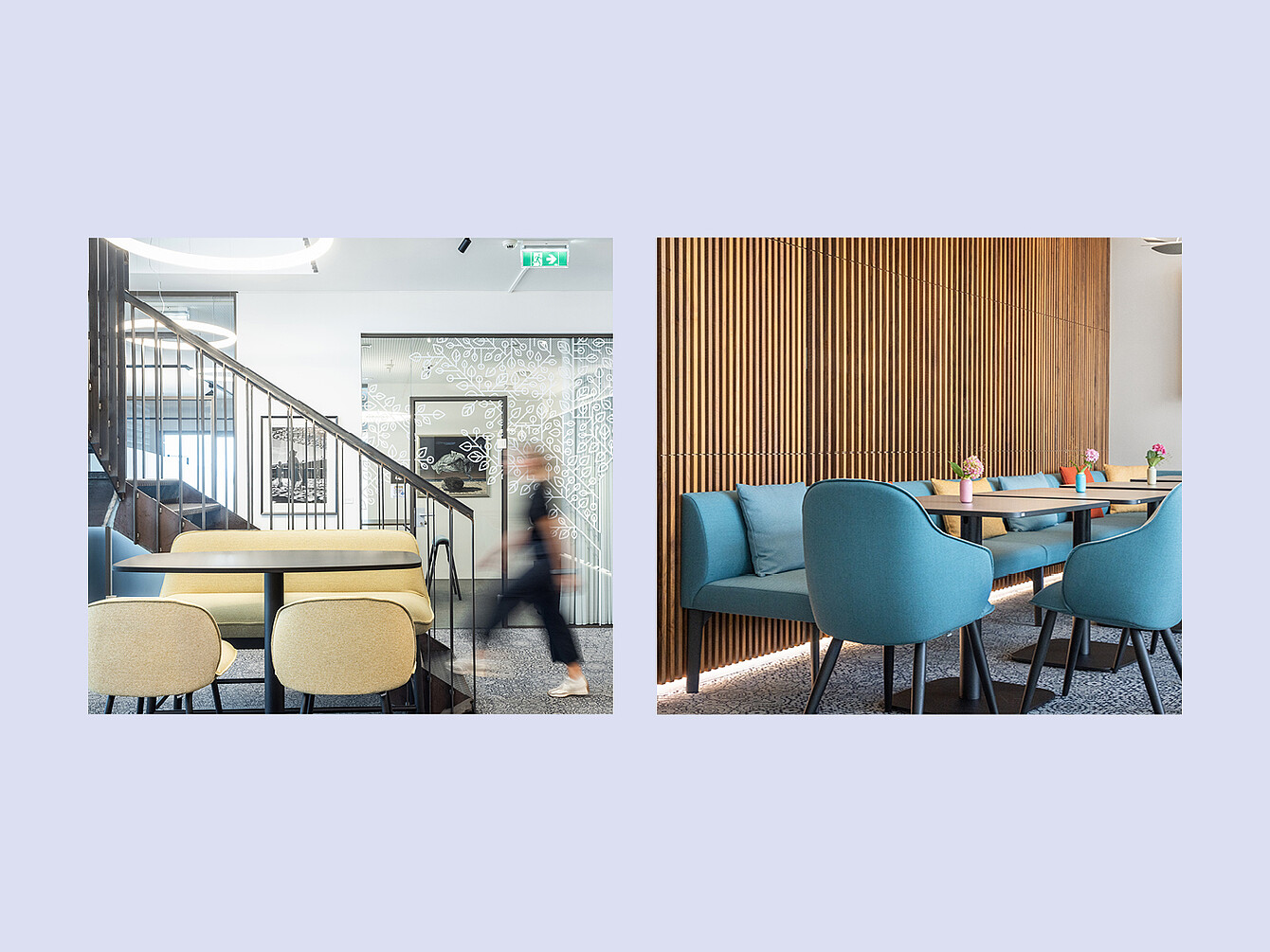
We have always had a Work Café - it just has a completely new look now. Where there was once a bar table, there are now small café-style tables that can be pushed together flexibly. This allows for a variety of uses in no time at all: from concentrated individual workstations to spontaneous collaboration. In the new setting, the Work Café is used much more frequently for work and no longer just for after-work get-togethers. Three clearly structured zones support different needs and offer noticeable added value. In short, the Work Café now attracts more people than ever before.
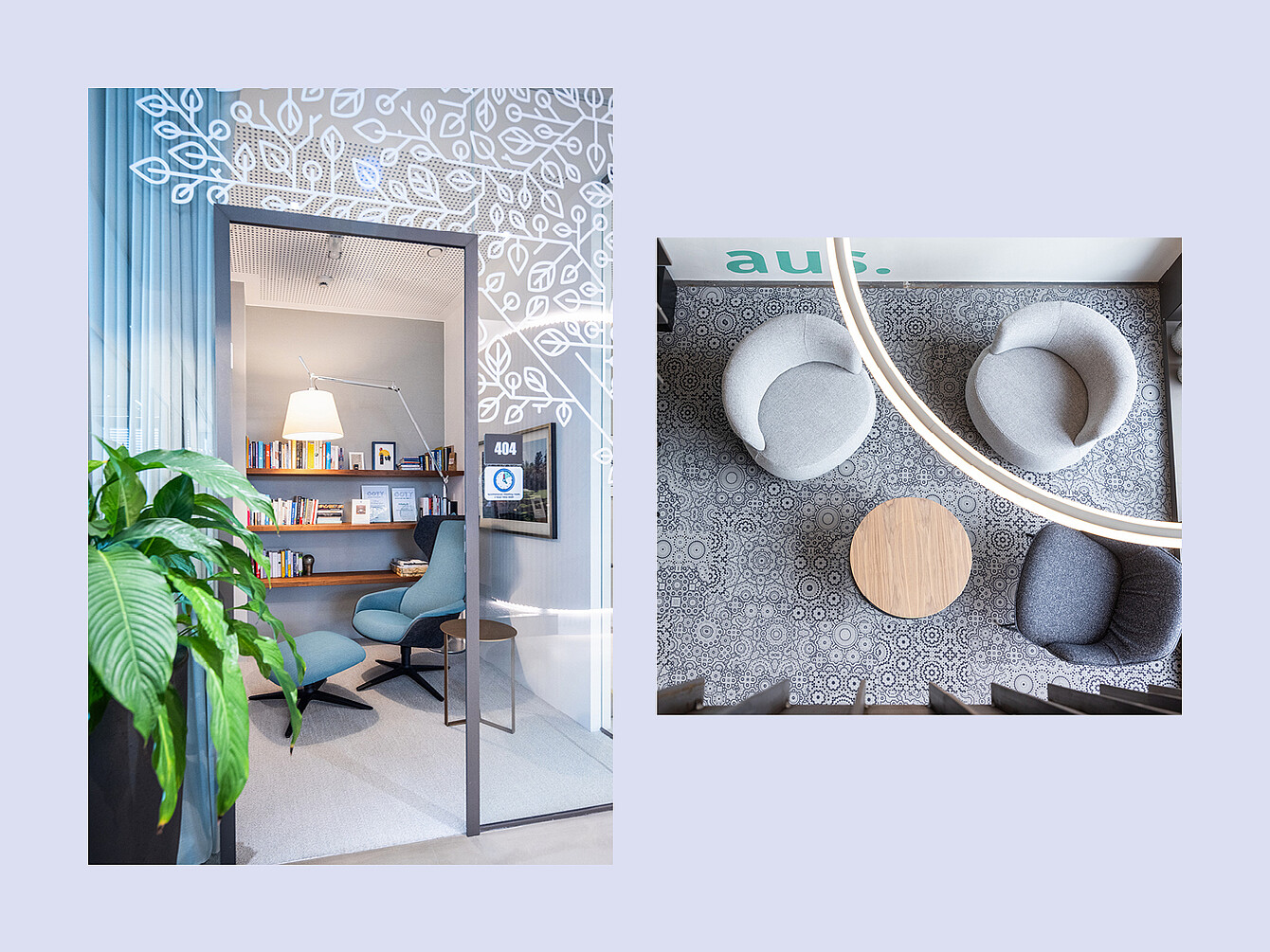
Residents have access to inviting lounge areas for networking and exchanging ideas, which blend harmoniously into the room concept.
You drew on the expertise of the Sedus workspace design team for the redesign. In what areas did they provide you with particular support?
We knew exactly what we wanted right from the start. Sedus’ diverse range of furniture impressed us immediately. The design team supported us especially with the colour scheme and planning drawings. They were a valuable sparring partner, helping us reflect on, refine, and expand our ideas.
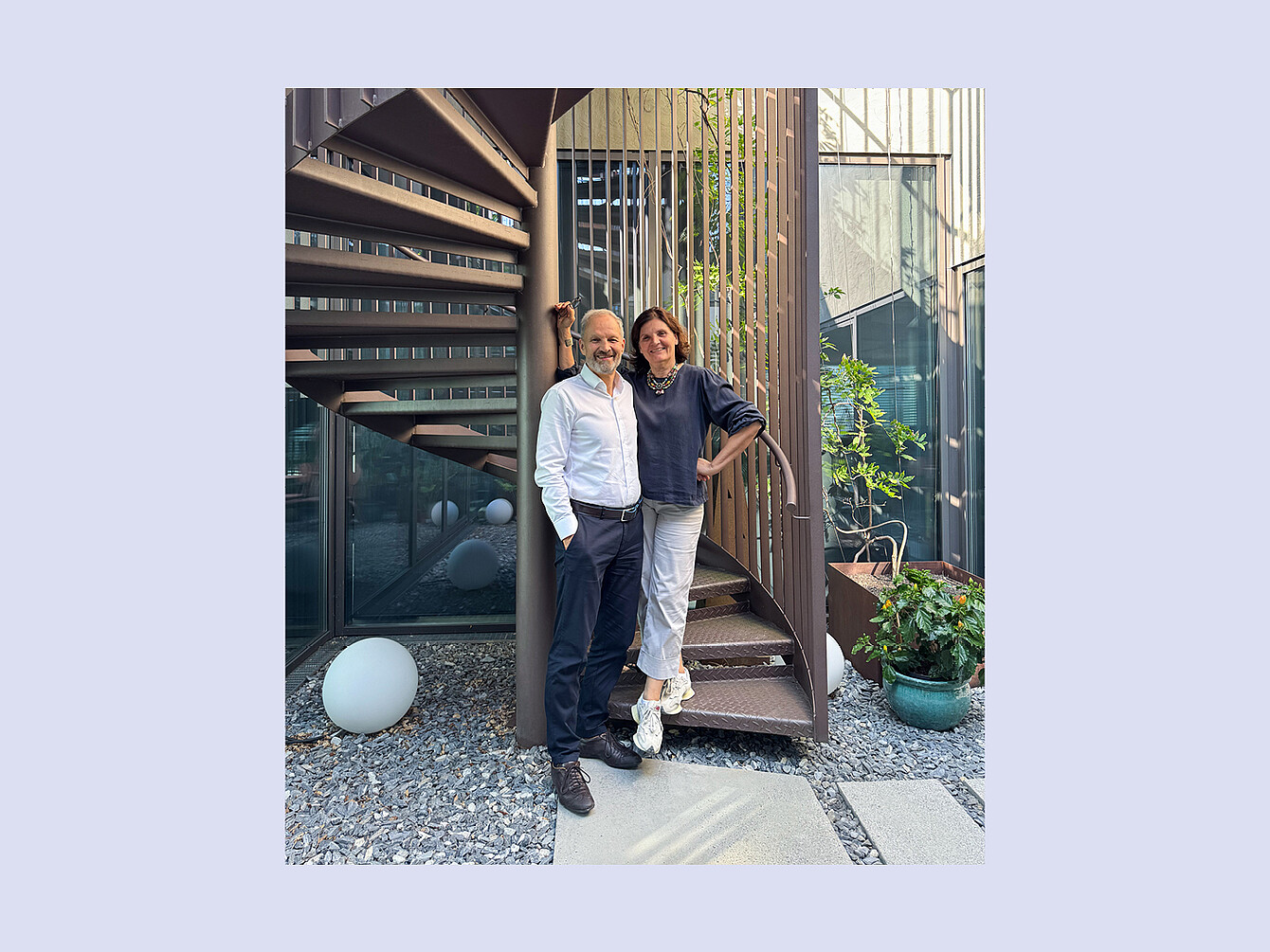
Brief introduction
Helene and Markus Stainer are the founders of bluebird.space. Markus brings strategic vision to the joint project with his corporate background. Helene’s educational career led to her role as an active shaper of community events. Their combined approaches enliven the space and enable a constant climate of further development.
This interview was first published in the Sedus LOOKBOOK N° 03. You can receive the full issue of the magazine, by email, here.

social media channels: