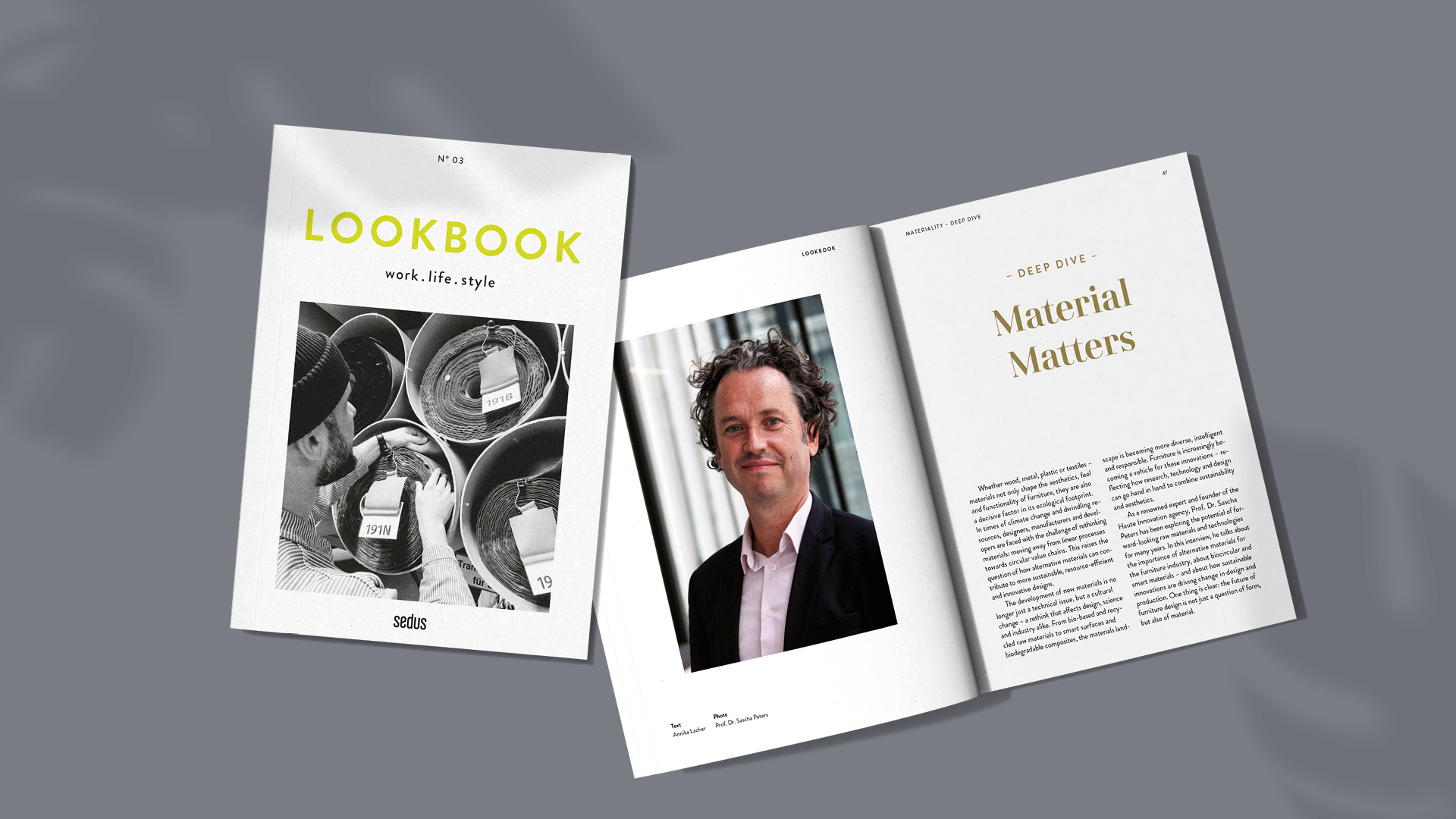

The development of new materials is no longer just a technical issue, but a cultural change – a rethink that affects design, science and industry alike. From bio-based and recycled raw materials to smart surfaces and biodegradable composites, the materials landscape is becoming more diverse, intelligent and responsible. Furniture is increasingly becoming a vehicle for these innovations – reflecting how research, technology and design can go hand in hand to combine sustainability and aesthetics.
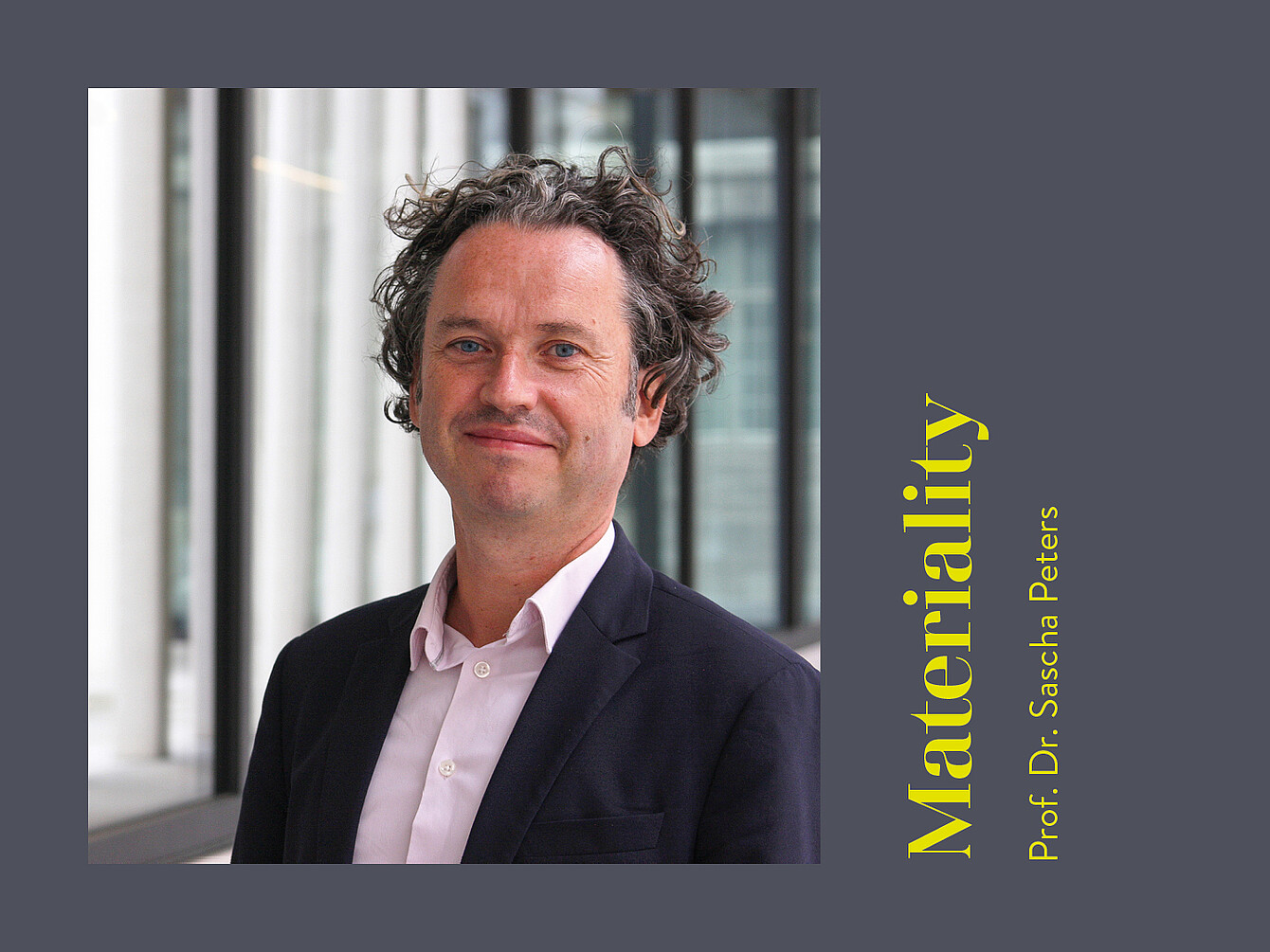
As a renowned expert and founder of the Haute Innovation agency, Prof. Dr. Sascha Peters has been exploring the potential of forward-looking raw materials and technologies for many years. In this interview, he talks about the importance of alternative materials for the furniture industry, about biocircular and smart materials – and about how sustainable innovations are driving change in design and production. One thing is clear: the future of furniture design is not just a question of form, but also of material.
You have been working with material and technology innovations for many years. What originally sparked your interest in this field?
In my dissertation in 2003, I developed a model for how the different approaches of engineers and designers could be combined in a productive way to overcome barriers to innovation. I saw the field of innovative materials as a suitable playground for using the model and combining the inspiring possibilities of material disruption with the potential of engineering.
With your agency Haute Innovation, you also advise companies on alternative materials. How does this collaboration work and what are the most important steps in the process of introducing a new material?
As a rule, we are involved in the early stages of product development for companies and identify opportunities for replacing conventional materials with alternative ones. The most important prerequisite for the successful introduction of an alternative material is a holistic view of the entire life cycle of a product. Only then can these materials be used to advantage and even generate cost benefits.
We are hearing more and more about “biocircular materials” and “smart materials”. When you look at the furniture industry in terms of these innovations, where does it stand in comparison to other industries? Is it more of a pioneer or a straggler?
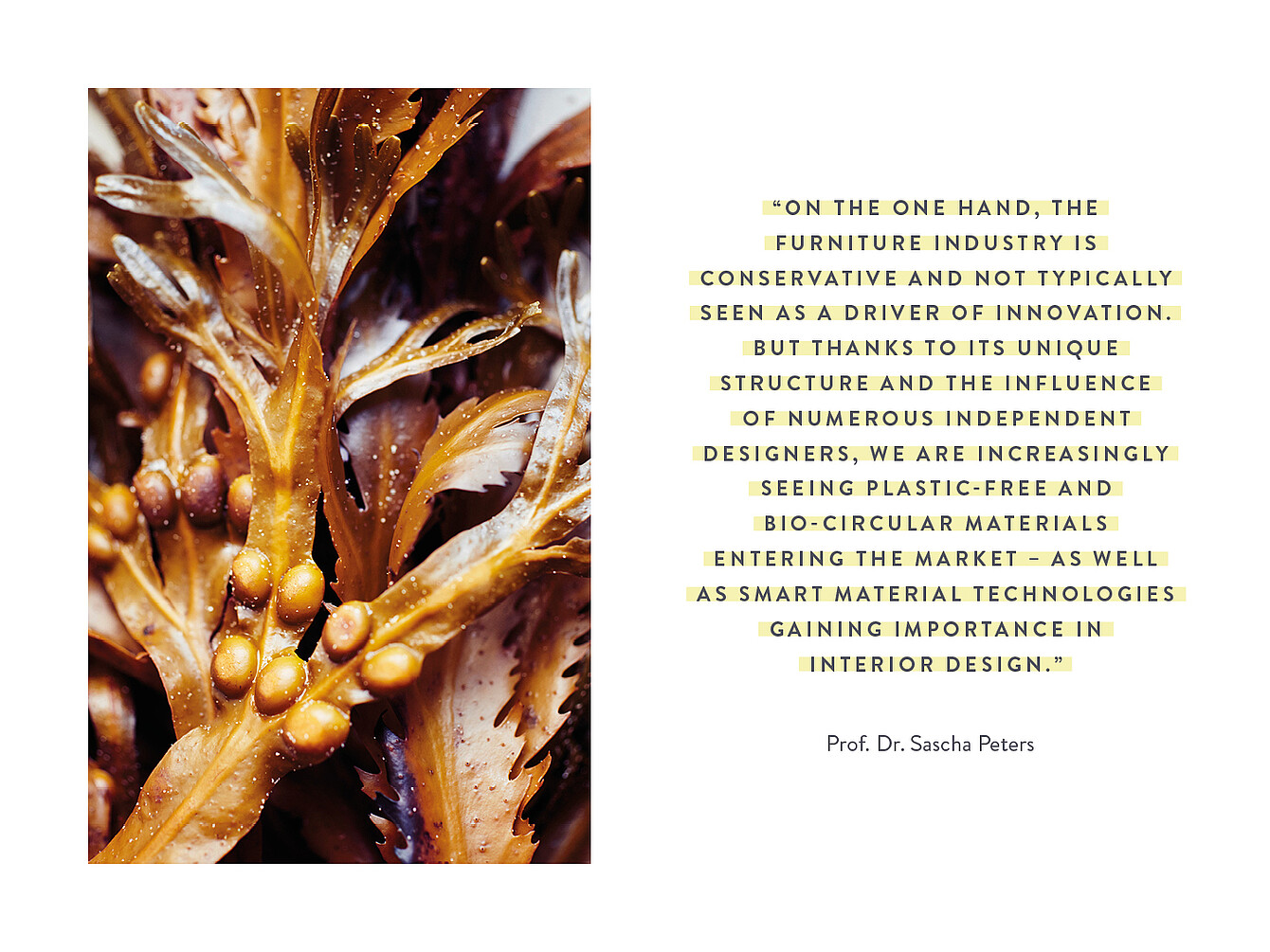
On the one hand, the furniture industry is conservative and not usually known as a driver of innovation. But thanks to its special structure and the many designer authors, we have recently seen plastic-free and biocircular materials finding their way onto the market, as well as smart material technologies playing a role in interior design. With the special “Biocircular Materials” area, we were able to showcase a number of exciting innovations at “interzum” trade fair in May 2025.
When do you consider a material to be sustainable?
For me, a material is sustainable if it has been produced in a climate-neutral way using renewable energies and can circulate completely in either a technical or biological cycle. These are tough requirements that have rarely been met so far. So, there is still a long way to go. But we are getting closer to the goal.
Which materials or technologies do you see as particularly disruptive for the furniture industry in the coming years?
I consider all plastic-free panel materials that use secondary agricultural materials or cellulose residues and are bound with a biocircular binder to be disruptive for the furniture industry. One example is Cocoboard, made from coconut husk fibres and tannins as a binding agent, from the Swiss start-up “Naturloop”. I also find “PaperShell” from Sweden outstanding, where several layers of kraft paper and hemicellulose are simply pressed together to produce plastic-free seat shells.
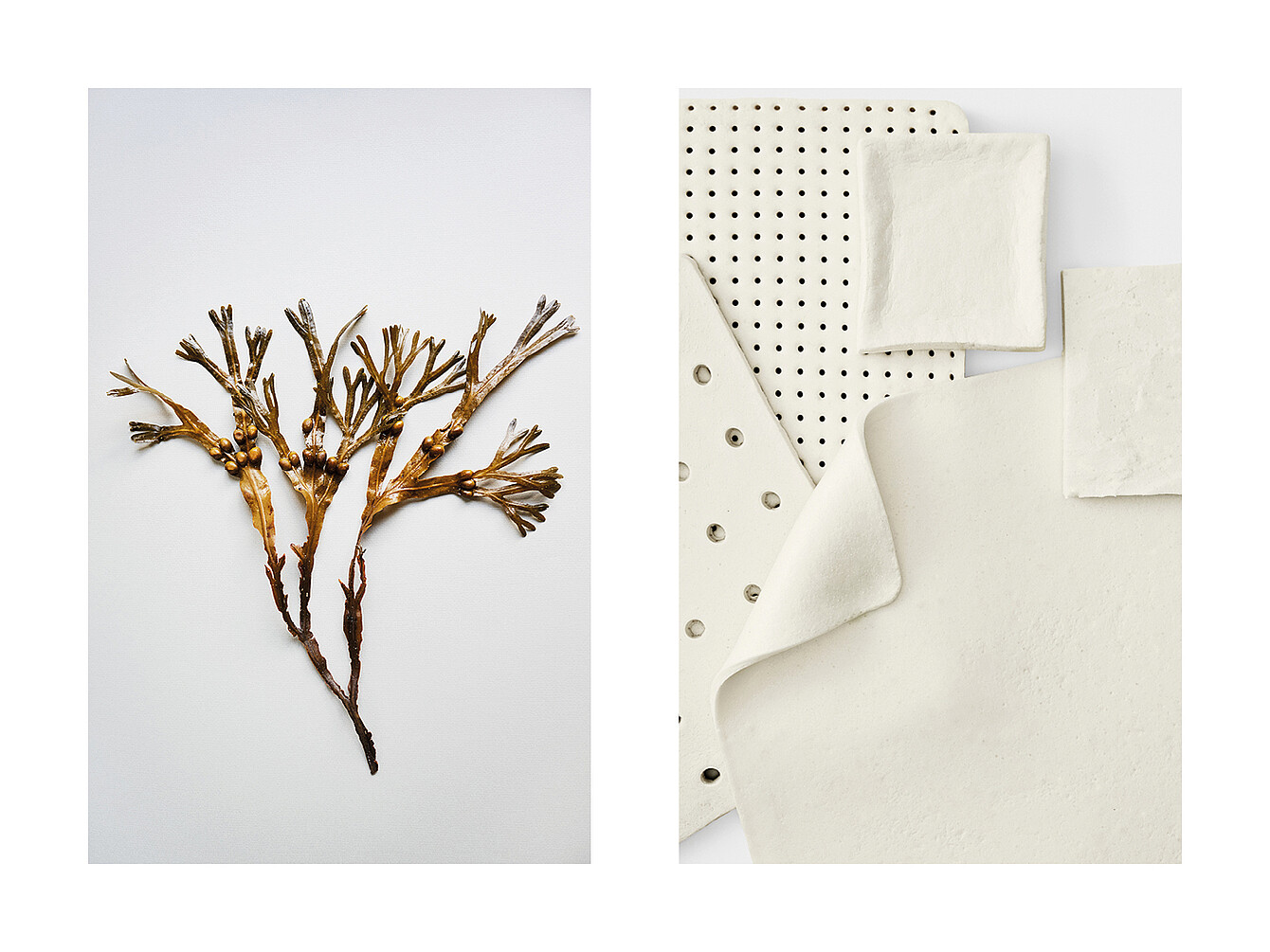
The Norwegian start-up “Agoprene” has developed a high-performance foam made entirely from natural materials. It is soft, durable and significantly more environmentally friendly than traditional foam. Its main ingredient is Norwegian seaweed, complemented by minerals from seashells and waste from the country’s paper industry.
The material is 100% biodegradable and contains no harmful or petroleum-based chemicals. This bio-foam can be used beyond furniture manufacturing – the team has already tested it in other applications, including footwear (both as cushioning and insoles).
Whether it is forest residues, banana plant fibres or mushroom mycelium – there are countless examples of innovative material use. Which raw material has personally surprised you the most in terms of its suitability as a material?
That would definitely be mushrooms. Who would have thought they could be used in such a variety of ways for technical products – for instance, in the production of batteries or loudspeakers? The growth processes of fungal mycelium – the network of filaments in the soil through which fungi seek nutrients – are currently being explored in many ways to create plastic-free interior solutions. Today, we already see leather alternatives based on mycelium on the market, as well as acoustic absorbers made from mushrooms, tile-shaped wall elements, and room dividers with integrated thermal insulation made from mycelium.
At Sedus, se:hive uses ecological wood fibre insulation as an acoustic solution in office environments. Are there other materials from architecture that you consider particularly promising for interior applications?
When it comes to materials, interior design and architecture have always been closely linked. In our experience, material innovations usually emerge from interior and furniture design before they find their way into architecture – not the other way around. This is probably due to the lengthy approval processes in the construction industry.
The example mentioned clearly illustrates the growing importance of wood-based and cellulose-based materials in our regions. We expect this trend to intensify in the future. Current developments focus on ensuring that resources used can be reintegrated into the cycle at the end of their product life. Increasingly, the goal is to use mono-materials and eliminate petrochemical substances entirely.
A material may perform well in the lab – but how does that translate into industrial-scale production? What are the typical hurdles when it comes to scaling, tooling, or quality assurance?
Unfortunately, it is often the case that while a new material can be successfully produced on a laboratory scale, large-scale industrial production requires adjustments to the original formulation. Innovators and founders then frequently have to make compromises to achieve economic viability in manufacturing.
What approaches exist to integrate material intelligence – such as sensors, self-healing, or shape-changing capabilities – into furniture?
In upholstered furniture and mattresses, there have recently been efforts to integrate sensor systems that can detect poor posture while sitting or sleeping and help prevent tension or long-term damage.
Memory foams made from shape-memory materials have been around for quite some time. They respond to body heat, adapting precisely to a person’s body shape and balancing weight during sleep. Manufacturers promote these products as providing optimal pressure relief for restful sleep and reducing back pain. However, the effect appears to vary individually – I personally have had negative experiences with such mattresses.
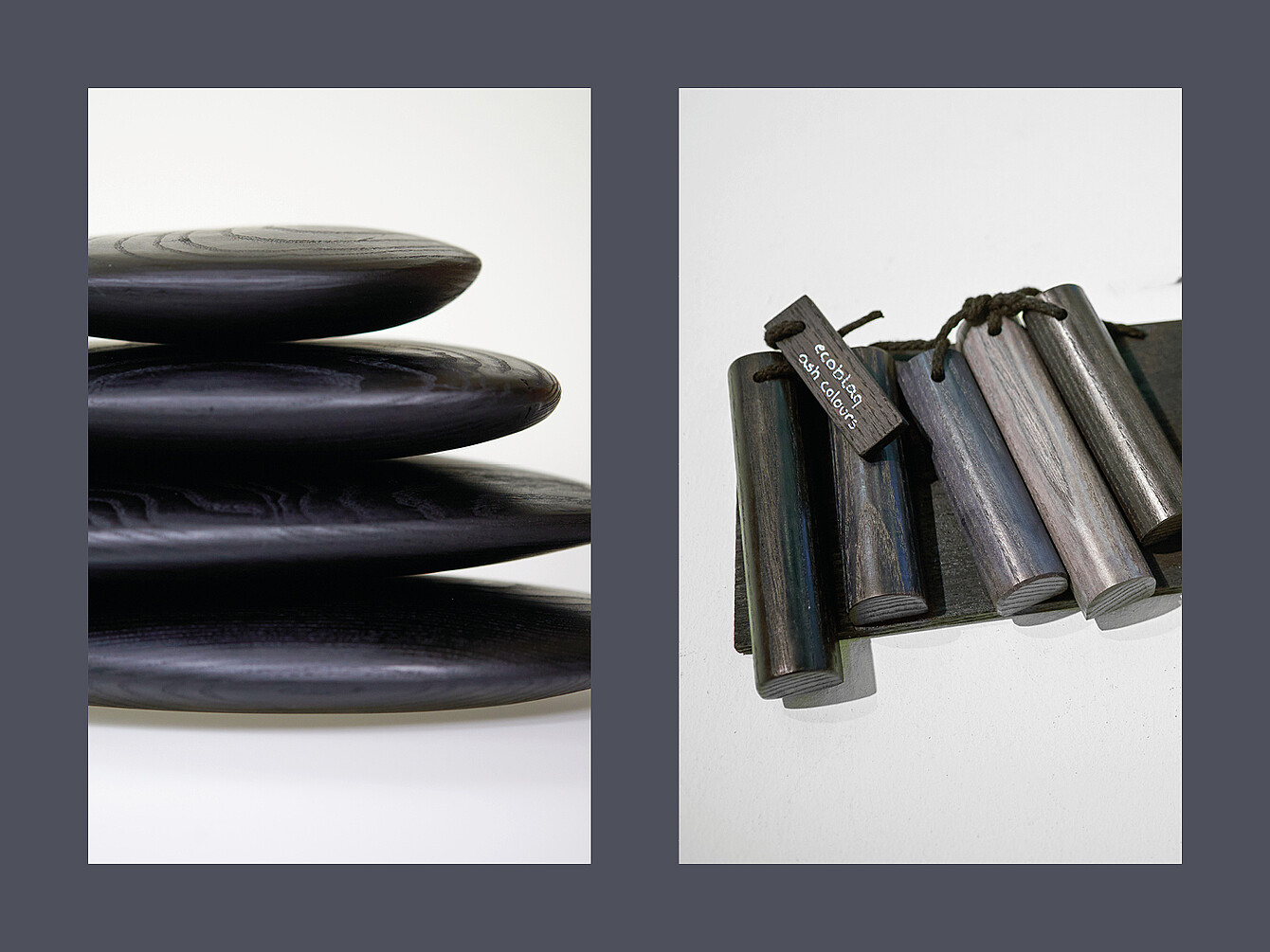
The Danish start-up “Ecoblaq” dyes wood without using pigments, plastics or toxic chemicals. Their method is a cost-effective, disruptive B2B wood-colouring technology suitable for both interior and exterior applications.
Ecoblaq is not a paint – no coating, binders, fillers, toxic chemicals or plastics are added. The colouring process is based on a complex molecular reaction within the wood itself, completely non-toxic by nature. The team currently produces black, brown and grey tones, with additional colours in development.
Where do you currently see the most exciting developments in bio-based or recycled materials?
We need to close the loops – whether biological or technical. Of course, we should recycle materials as often as possible. But I am not a big fan of using higher recycling rates as an excuse to avoid developing new materials. In the furniture and interior sectors, we often deal with composites made of natural materials like wood combined with synthetic coatings, paints and adhesives. Ideally, natural materials should remain untreated and unbonded so they can be returned to nature as a resource at the end of their life cycle. That is why I find all innovations fascinating that deliberately avoid synthetic substances and toxic chemicals. Examples include algae- and seagrass-based foams developed by the Oslo-based start-up “Agoprene”; plastic-free multiplex panels made from hemp fibres and a bio-circular binder by “Plantics” in Arnhem; or a wood-dyeing technology from “Ecoblaq” in Copenhagen that works without any natural or synthetic pigments.
Would you say: “form follows material” – or the other way around?
Today, form always results from an interplay between the possibilities offered by the material itself and the available processing technologies. Designers are often limited by the economic feasibility of certain manufacturing methods. So what stands at the beginning of a development process depends largely on how that process is structured. Designers can certainly succeed in advocating for the use of alternative materials – it is just a matter of persistence and process design.
The interview with Prof. Dr. Sascha Peters was first published in the Sedus LOOKBOOK N° 03. You can receive the full issue of the magazine, by email, here.

social media channels: