
Breaks are not a time-out from work – they are part of it
Neuroscience research is clear: concentration is not a constant state. After 90 minutes of intensive focused work, the brain needs a genuine recovery phase. Not a coffee break at a standing desk, but genuine mental relief. Ignoring this natural rhythm does not lead to greater productivity – it simply means working harder while achieving less. Creativity, judgment, and problem-solving skills decline measurably – while error rates and exhaustion increase.
This is precisely where the trend toward deceleration comes in, a principle that Sedus consistently embraces in its current Design Code collection. Retreat and lounge zones in the office are not a luxury, nor are they feel-good extras offered by progressive employers. They are functional components of a productive work environment.
From concept to spatial effect: Slow, Clear, Relaxed, Smart.
The four Design Codes
- Relaxed
- Clear
- Smart
- Slow
translate this idea into concrete spatial atmospheres. Each code is an invitation: slow down for a moment, take a deep breath, then return with renewed focus.
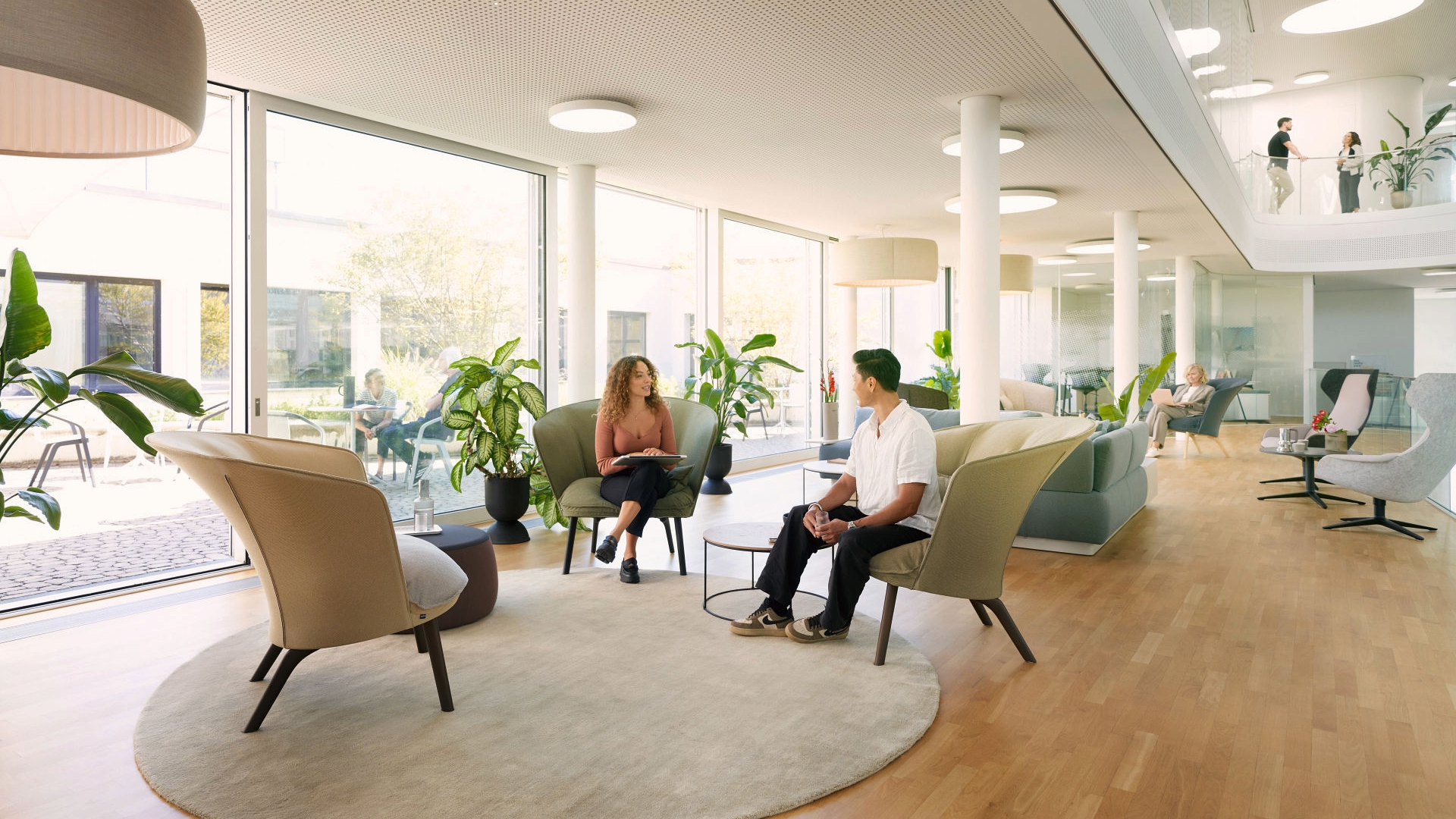
The Slow Office thrives on natural materials; soft sage green tones, and the deliberate absence of visual clutter. It creates what designers Livia Stasik and Jutta Werner from the trend agency ZUKUNFTSTIL aptly describe: a place that no longer feels like a traditional office – and precisely for that reason offers all the conditions for productive work.
The Relaxed Office brings home-like qualities into the work environment: sofas, bar areas, dark woods combined with soft, watery shades ranging from petrol to sage green. The result is not a sterile work environment, but a space where people genuinely enjoy spending time – which is not a contradiction to productivity, but rather a prerequisite for it.

se:hive, se:cube, se:cove: Regeneration needs spaces
Good intentions aren’t enough. Regeneration requires physical spaces. Sedus offers a well-thought-out product family for this purpose that integrates seamlessly into modern office landscapes:
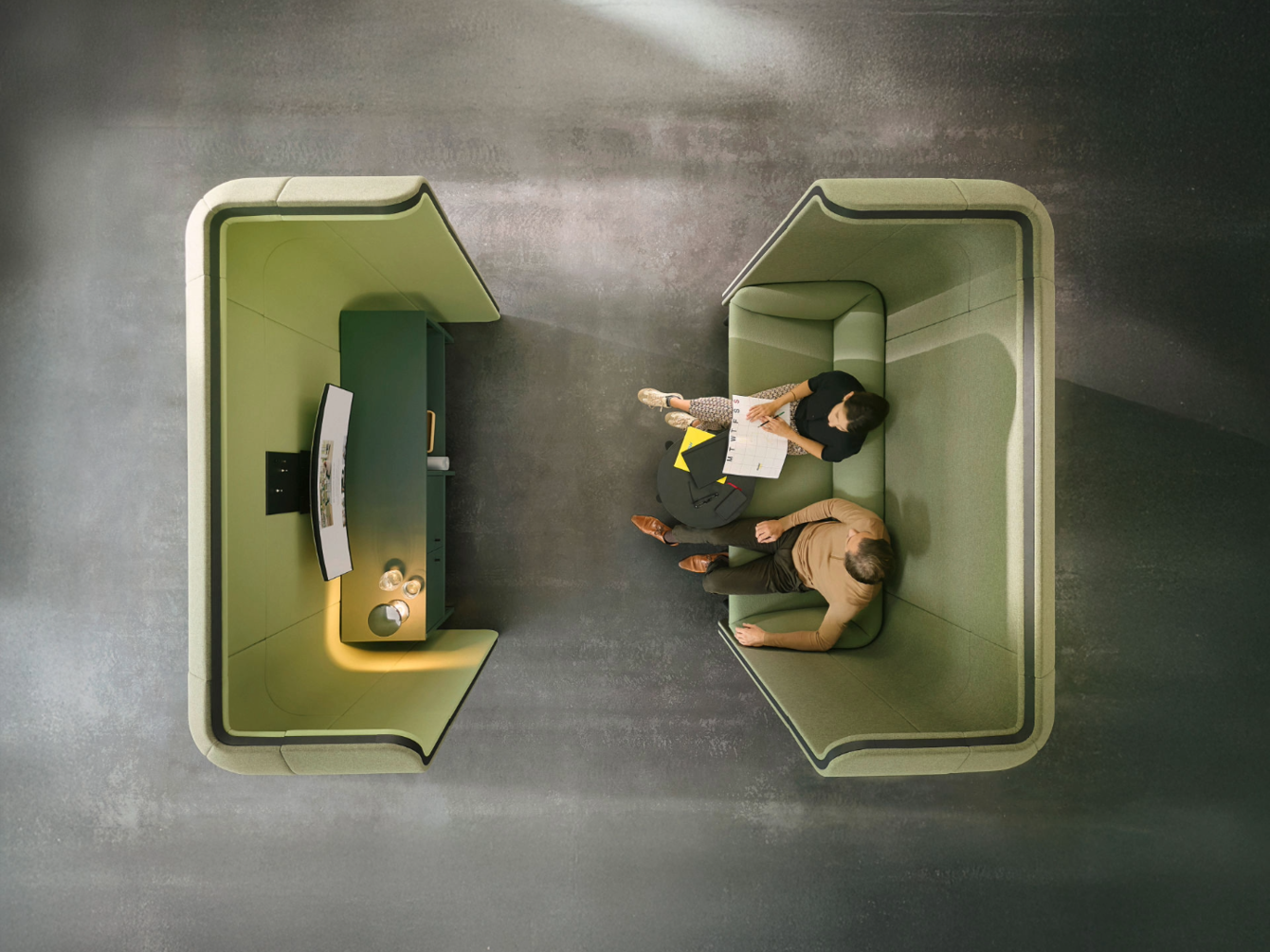
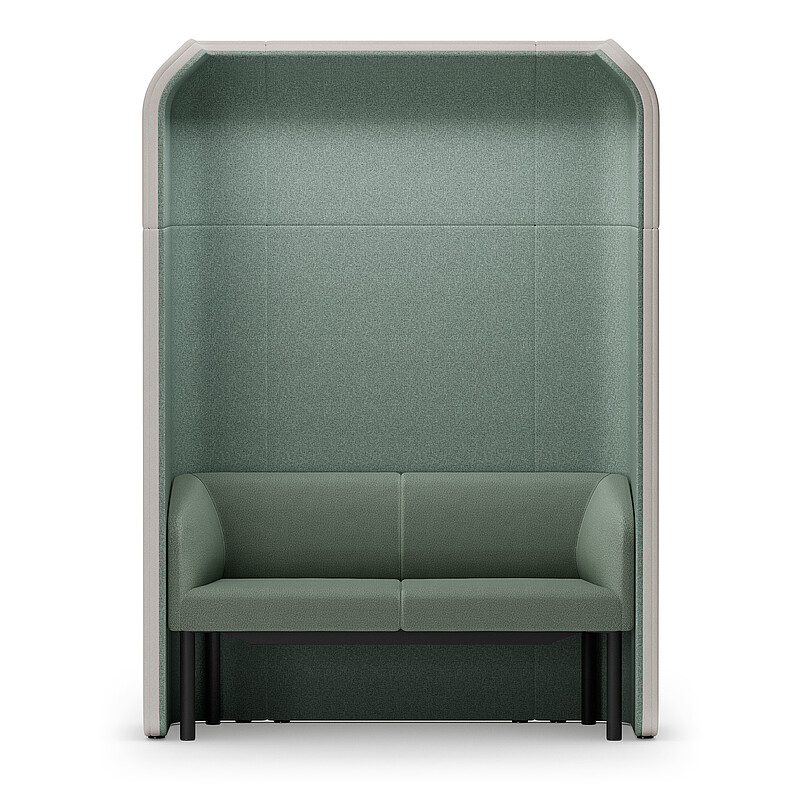
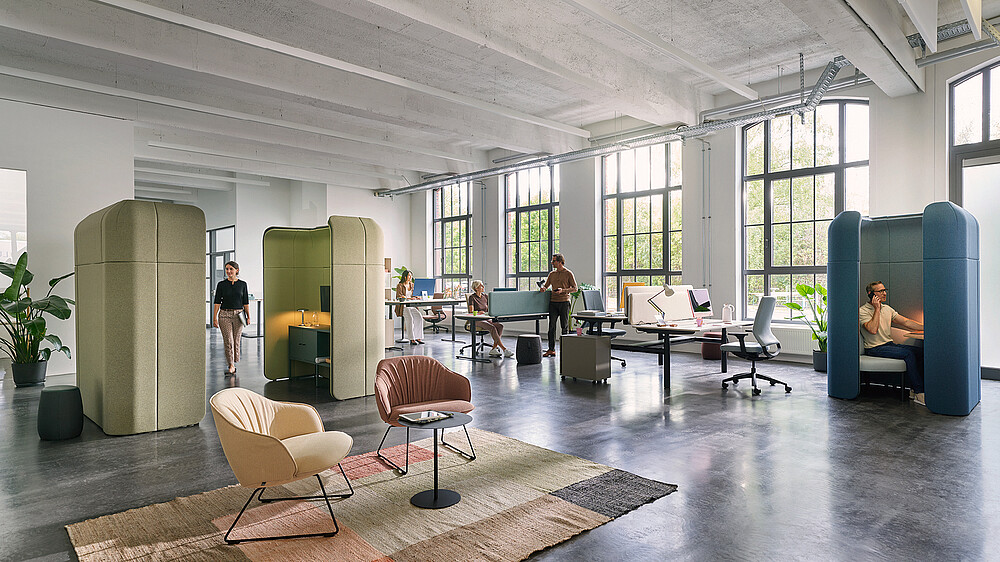
- se:hive creates acoustically shielded zones within open spaces – structured, textile-clad, and inviting. It underscores the open character of modern work environments while simultaneously enabling retreat, exchange, and inspiration all in one.
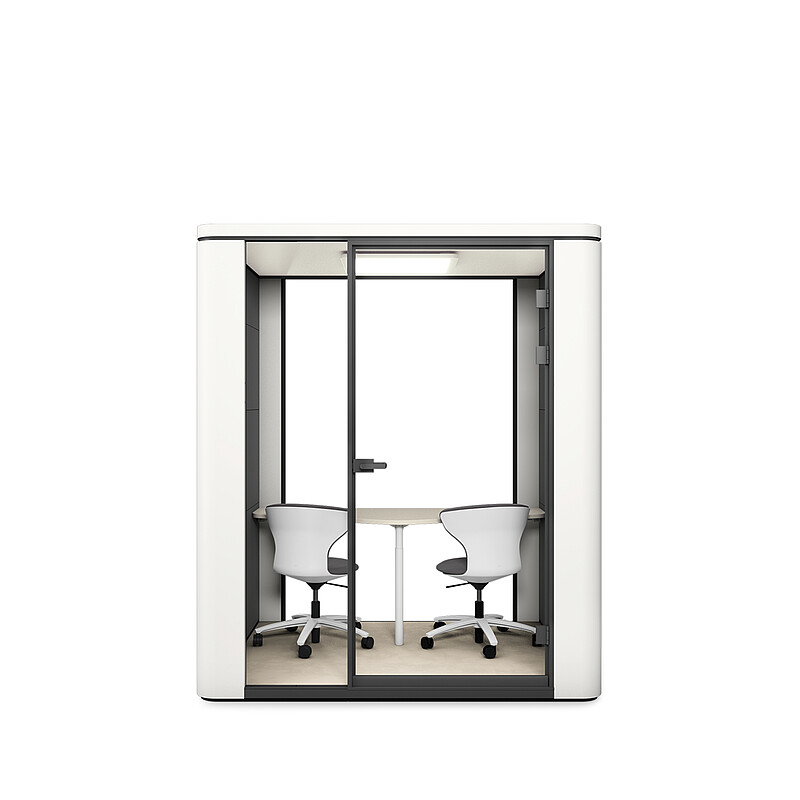
- se:cube offers private spaces for conversation and reflection for two to four people – ideal for brief mental breaks, confidential conversations, or focused small-group work away from the open-plan office.
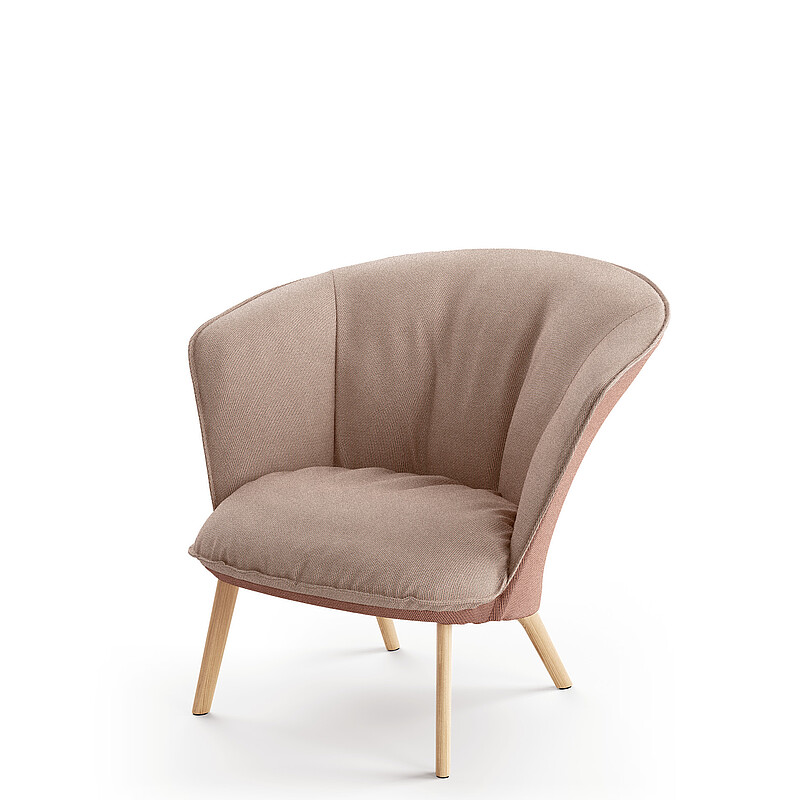
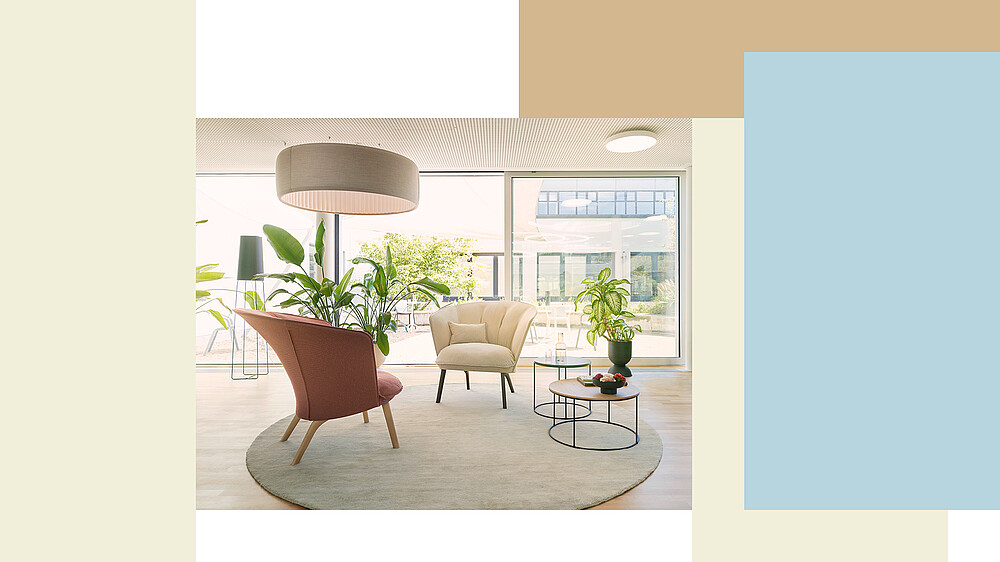
- The new se:cove lounge chair embodies precisely the moment that matters: a conscious pause. Sculptural in form, sustainable in material selection, inviting in seating comfort – a piece of furniture that grants permission to pause briefly.
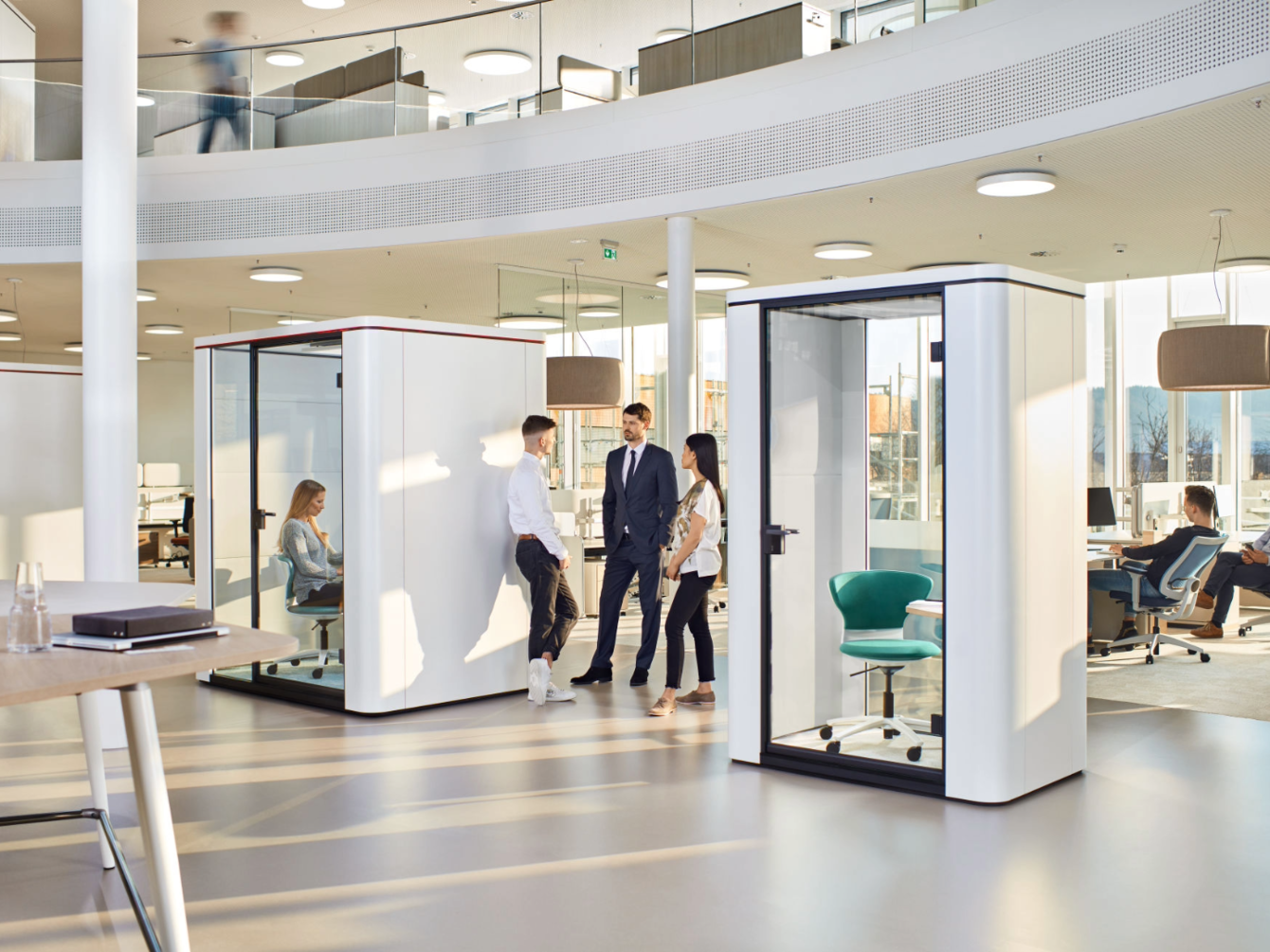
Open-space areas and large offices are great when it comes to making the most of the available space. But what about when concentrated working is required? Introducing se:cube, the rapid response for creating new spaces. The new office cube from Sedus has set new standards in terms of assembly, acoustics and atmosphere and offers space for up to eight people retreat, hold meetings or for relaxation.
The hybrid office as the place of choice
In the hybrid model, the office has taken on a new role. It must offer something other than the home workspace; otherwise, people simply won’t come. What draws them in? Interaction, inspiration, atmosphere. And the knowledge that you’re not just working there, but it is a space to focus, collaborate, and recharge.
Regeneration zones are not a luxury reserved for corporations with generous floor-plan budgets. The principle works just as well in small spaces: a well-designed lounge area, an acoustically shielded nook, or a colour scheme that radiates calm. That’s enough to signal to employees that here, it’s okay to do nothing for a while. Because doing nothing is sometimes the most productive thing you can do.
Mindful Work is not a trend – it is an attitude
Slowing down in the workplace is not a passing fad. It is an expression of a new understanding of work: one that puts people at the centre, respects their natural rhythms, and views well-being as the foundation – not the reward – of performance.
The office of the future is not a place that demands performance at all times. It is a place that enables it. And that begins with the permission to slow down.
Learn more about Sedus Design Codes and the current collection here.
Related Posts
Designing a sustainable office: creating a modern Green Office with furniture
Office colour design: How a well-thought-out colour concept and the right colours in the office promote well-being and productivity
Focus in the Open Space: 5 Design Levers Without Rebuilding

social media channels: