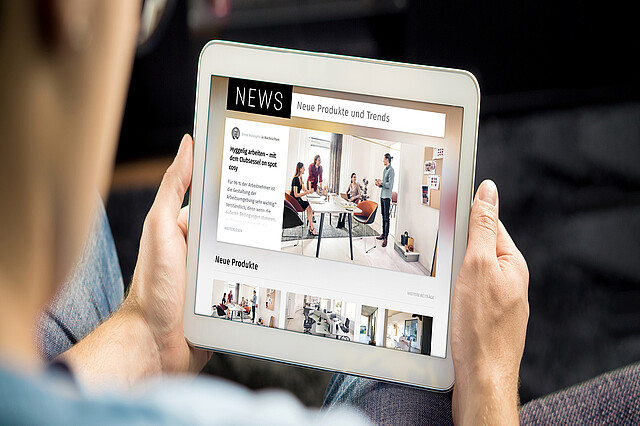
Choice as a Driver of Productivity - Why Autonomy in Choosing Where to Work Enhances Focus and Satisfaction
Working with full concentration, spontaneously discussing an idea with the team, taking a confidential call, or simply stepping away for a moment: over the course of a working day, our tasks change, and with them the demands we place on our surroundings.
Yet many offices are still based on the assumption that a single workstation should accommodate as many different situations as possible. This is precisely where the problem lies. The ideal place for intensive conceptual work is rarely the same place that is best suited to a creative exchange with colleagues.
Modern workplaces therefore follow a different principle: People should not have to adapt to the workplace. Instead, the working environment should enable them to choose the setting that best suits the task at hand.
This freedom of choice is much more than a matter of comfort. It creates autonomy, supports concentration, and can help people perceive their working environment as more productive and enjoyable.

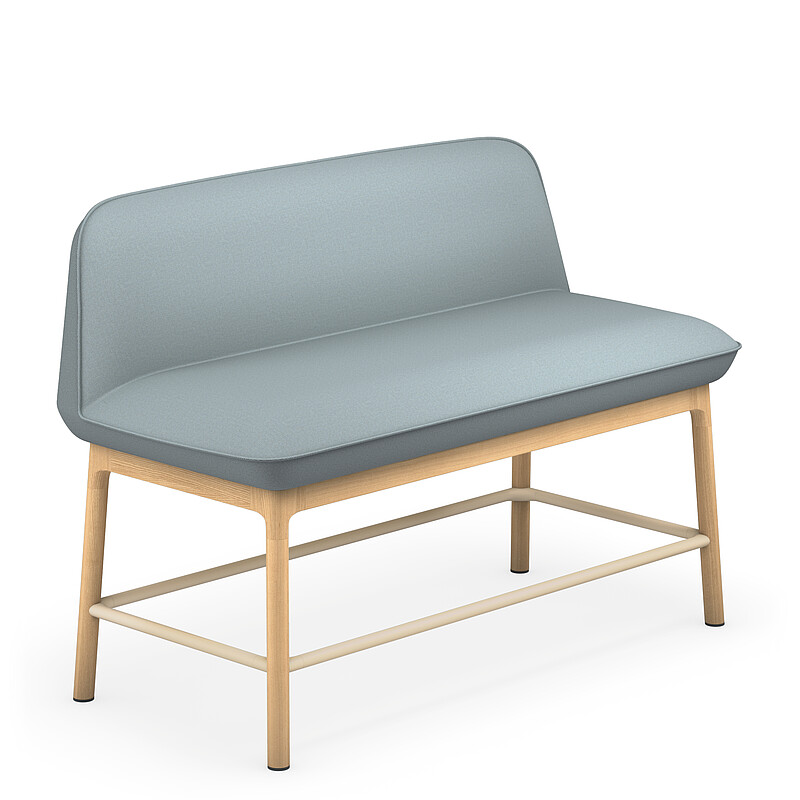
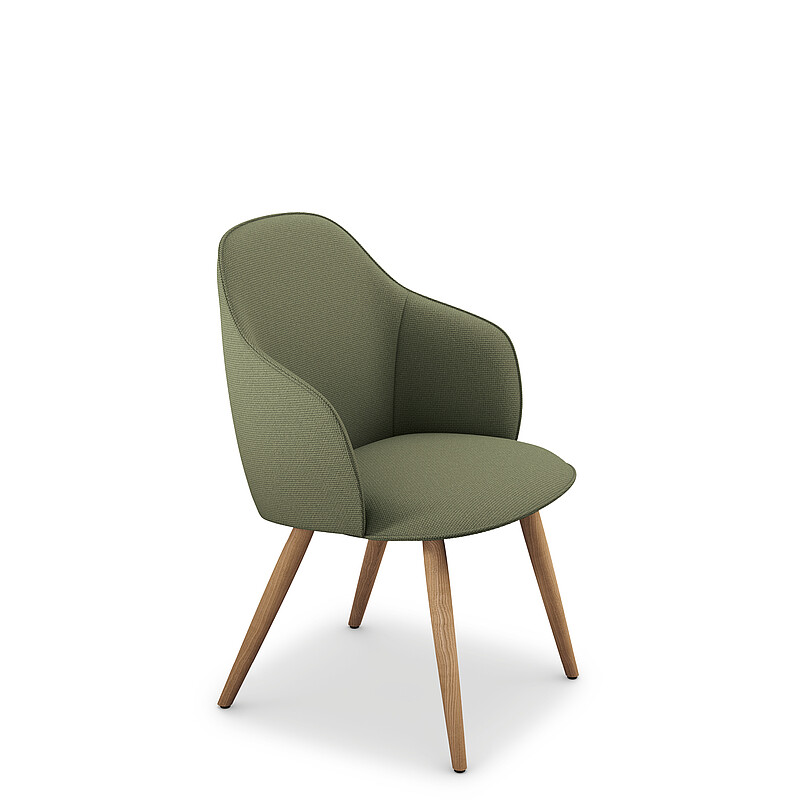
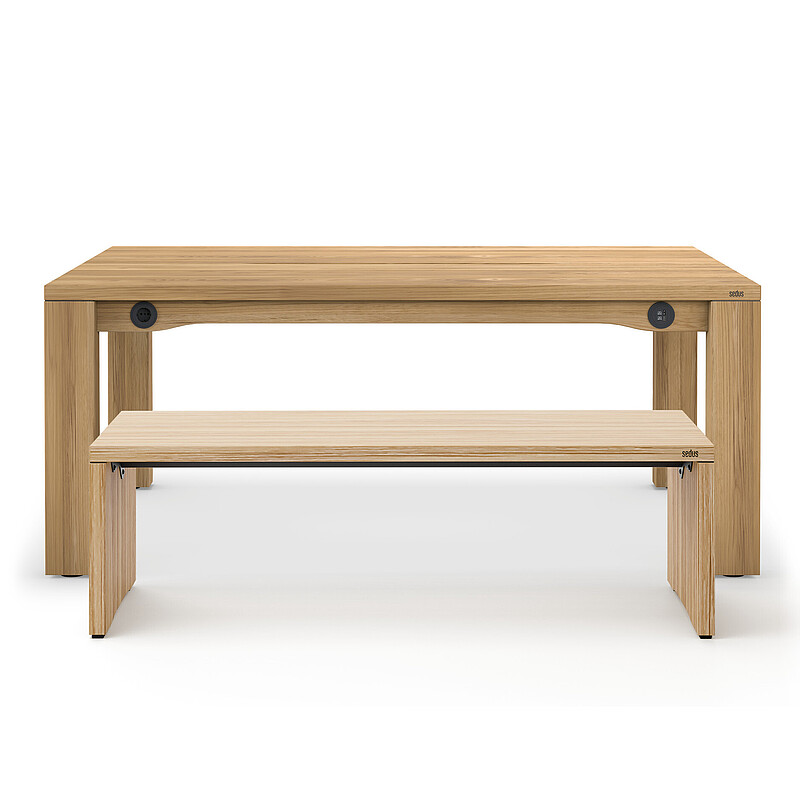
Productivity Begins with the Right Environment
Not every task places the same demands on our attention.
For a quick email, an open workstation in the middle of the action may be perfectly adequate. By contrast, someone developing a presentation, processing complex information, or working on a concept needs considerably more protection from acoustic and visual distractions. For a creative exchange, however, the very openness that may be disruptive during focused work can be beneficial.
The key question is therefore not: What does the perfect workplace look like?
But rather: Which workplace is the right one for this task right now?
This is where the concept of a differentiated workplace landscape comes in. Instead of a uniform office, an ecosystem of different settings is created, allowing employees to move between them depending on the task, the level of concentration required, and their personal preferences.
These may include, for example:
- open and communicative areas for exchange and collaboration
- traditional workstations for light and moderate concentration
- semi-protected settings with visual or acoustic screening
- focus areas and retreats for intensive individual work
- meeting rooms and phone booths for conversations and video calls
- informal areas for short breaks, encounters, and mental recovery
The aim is not maximum isolation. What matters is the fit between the activity and the environment.

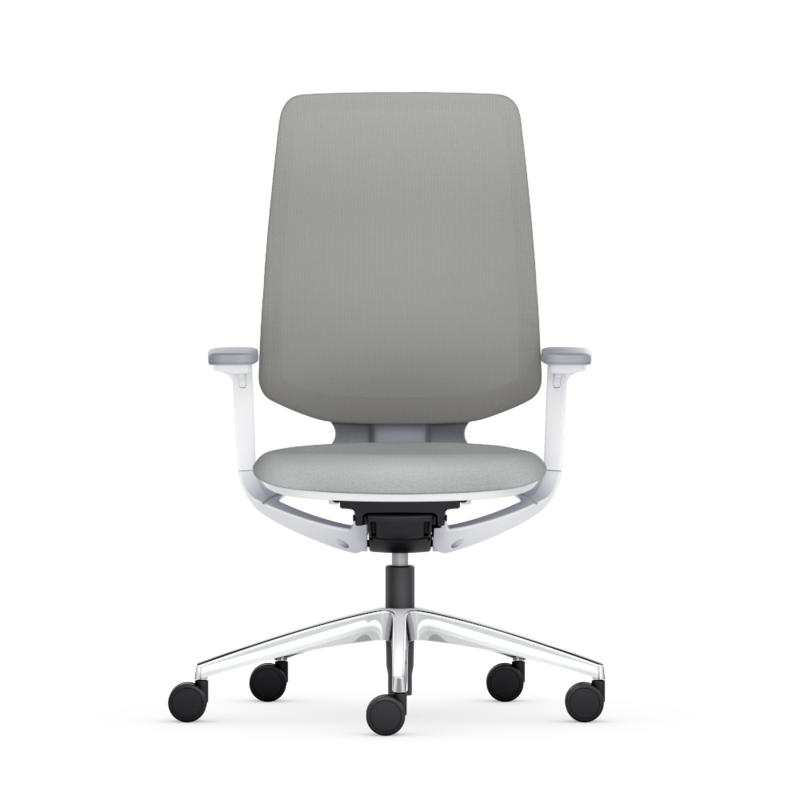
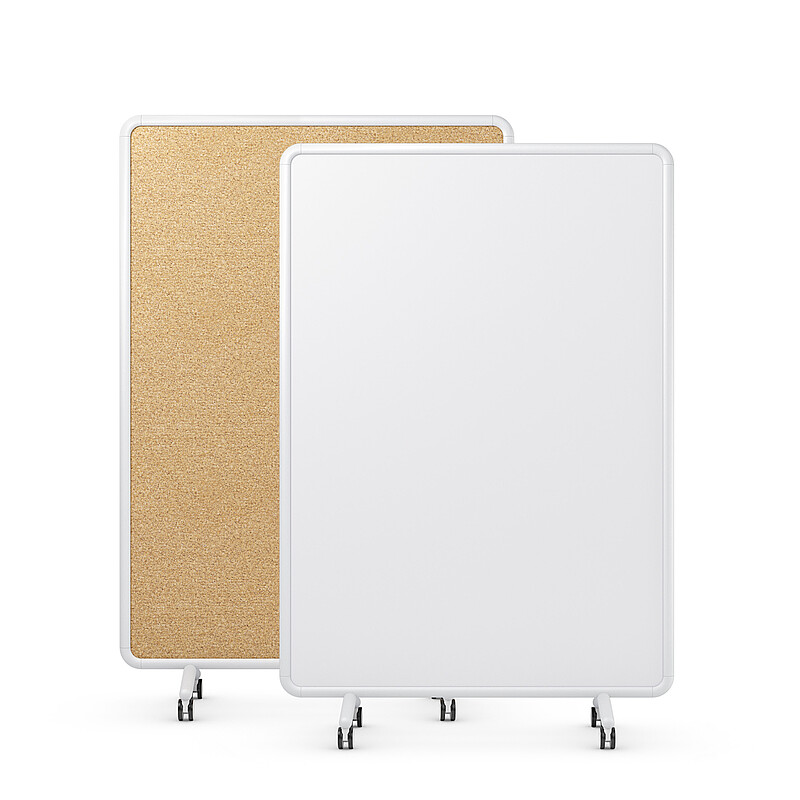
Control Over the Environment Supports Focus
Concentration is often associated with complete silence. Yet a space does not have to be entirely free from stimuli for people to be able to work there with focus.
A good example is a library. It is by no means free from visual impressions, movement, or noise. Nevertheless, the environment supports concentration because almost all of the perceptible signals are aligned with the activity taking place.
What matters, therefore, is less the complete absence of stimuli than the ability to regulate them.
- How openly do I want to sit?
- How much movement do I want to perceive around me?
- Do I need acoustic screening?
- Do I want other people around me, or would I prefer to withdraw for a certain period of time?
Those who can make such decisions for themselves regain a degree of control over their own attention.
This control is becoming increasingly important, particularly in open and hybrid working environments. Employees can deliberately adjust their surroundings or move to another area as soon as the requirements of their task change.
In this way, spatial flexibility becomes cognitive flexibility.

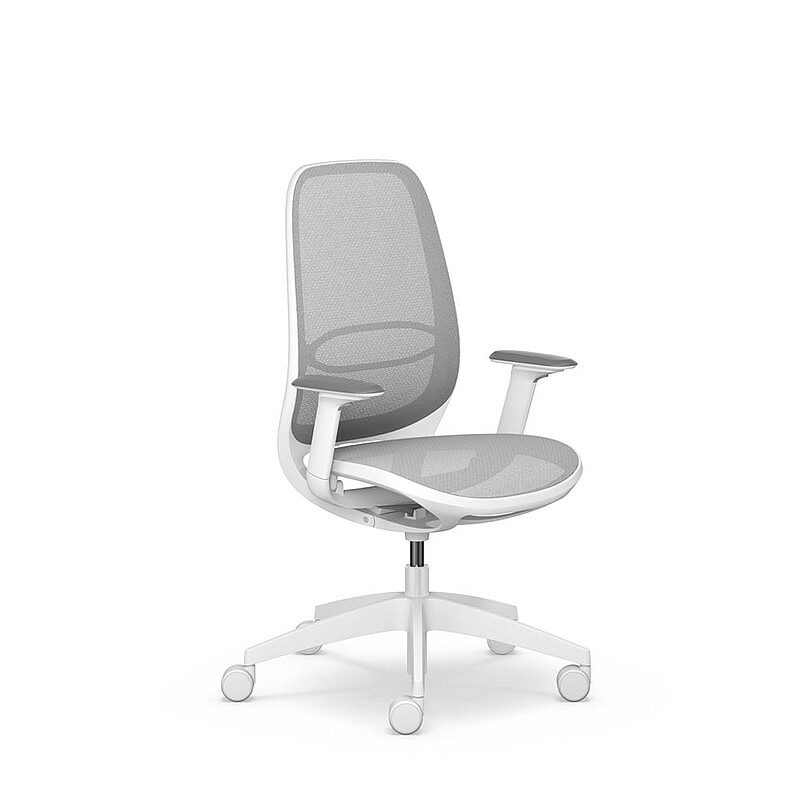
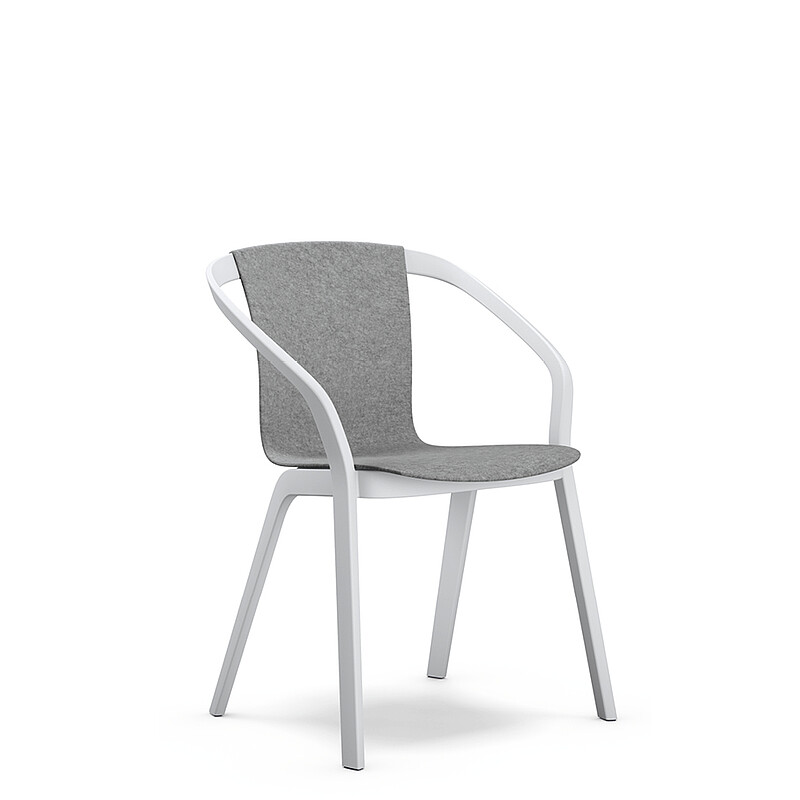
Freedom of Choice Means More Than Simply Choosing a Desk
However, freedom of choice should not be confused with simply being able to move between desks.
Ten almost identical workstations do not create a diverse workplace landscape.
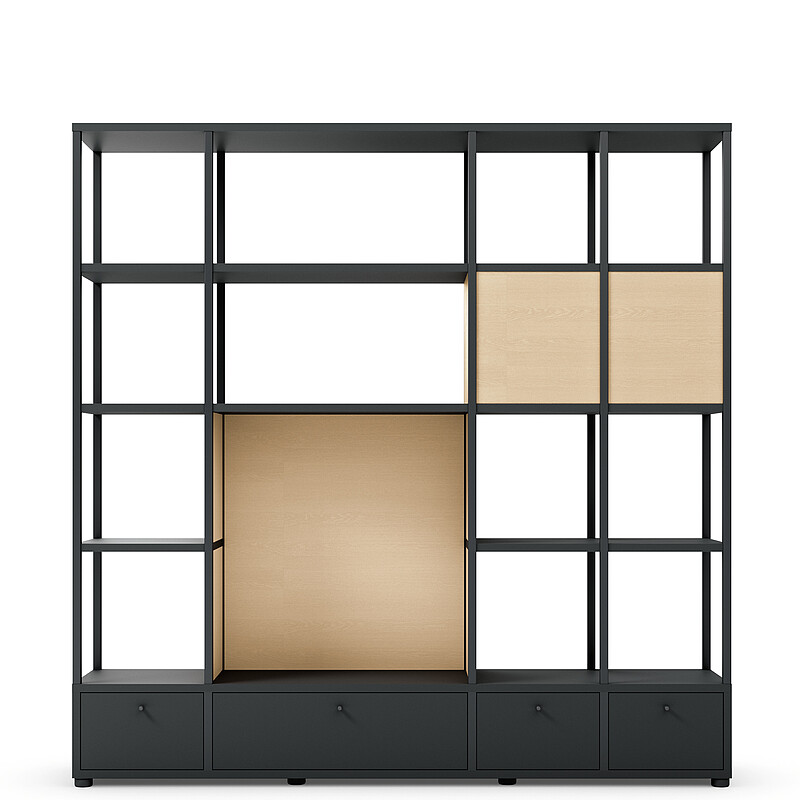
For autonomy to function effectively, the available spaces must offer different qualities. They need, for example, varying degrees of screening, different acoustic conditions, suitable lighting atmospheres, as well as furniture and technical equipment that are tailored to the respective activity.
A focus workstation should genuinely make concentration easier. A collaboration area must be able to encourage exchange. A retreat should provide a sense of protection. And an informal area may deliberately have a different atmosphere from a traditional desk-based workspace.
Only then does genuine freedom of choice emerge.
The quality of a flexible workplace should therefore not be measured by how many places employees can use, but by how different and appropriate those places are.
From Light Concentration to Deep Focus
Attention does not remain constant throughout the working day. People move between different states of concentration.
During the day, people move between quick tasks, collaboration, deep focus and recovery.
A working environment can either hinder or support this rhythm.
Instead of accommodating every function within a single area, different zones can create a spatial sequence: from open, lively areas to increasingly protected settings, through to spaces designed for deep concentration and then back to areas for recovery.
The office thus reflects the natural rhythm between interaction, focus, and regeneration.
Employees no longer have to struggle to remain focused in an unsuitable environment. They can move to a different space as soon as their mode of working changes.

Different People Need Different Spaces
Choice is becoming increasingly important for another reason as well: people perceive their surroundings differently.
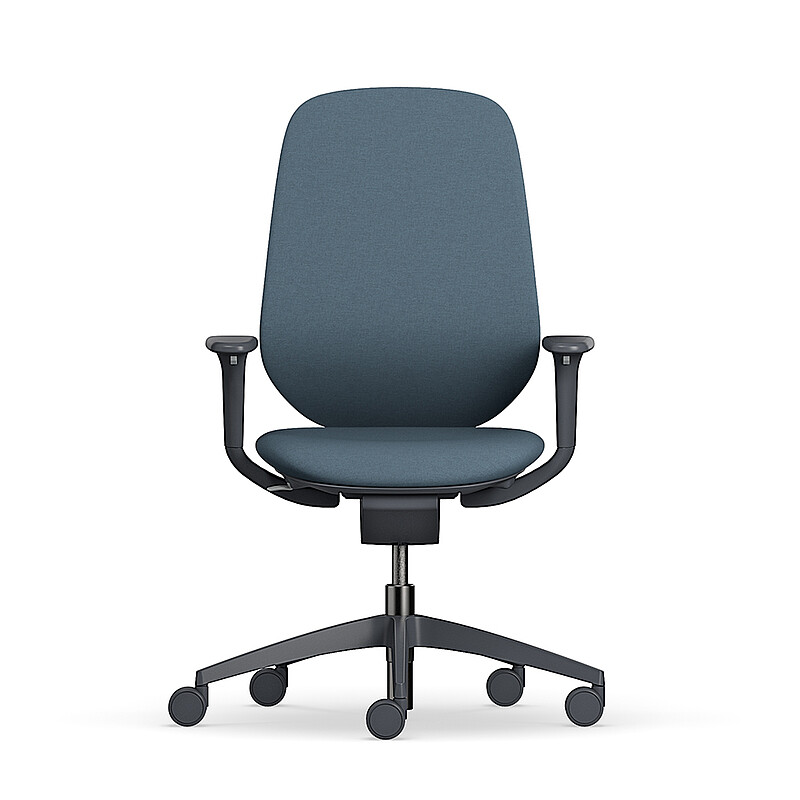
What feels pleasantly lively to one person may be distracting to another. Some people enjoy working in the middle of the action. Others need greater visual calm, more distance, or a higher degree of acoustic screening.
A single standardised solution can hardly accommodate these differences.
Particularly in the context of neurodiversity, it becomes clear how important different sensory qualities within a working environment can be. Light, noise, movement, proximity, and spatial openness are perceived and processed differently from person to person.
An inclusive office therefore does not attempt to create one optimal workplace for everyone. Instead, it provides different options for different needs.
Autonomy thus also becomes an important element of inclusive workplace design.
Autonomy Requires the Right Office Culture
Even the most diverse workplace landscape can only function if employees are genuinely able to use the options available to them.
Anyone who moves to a focus area should not feel as though they are distancing themselves from the team. Anyone who changes workplaces for a particular task should not have to justify doing so. And anyone who needs periods of focused individual work should be given the space for this just as naturally as they are given space for meetings and collaboration.
Freedom of choice is therefore not solely a question of interior architecture.
Working practices, team habits, and leadership culture also determine whether people are actually able to use their environment autonomously.
Companies can, for example, actively communicate that moving between different settings is a normal part of the working day. Digital tools can provide additional support by making available workstations and quiet zones visible or by providing information about room occupancy and environmental conditions.
In this way, spatial diversity becomes a genuinely usable workplace ecosystem.

The Best Office Does Not Offer One Perfect Workplace
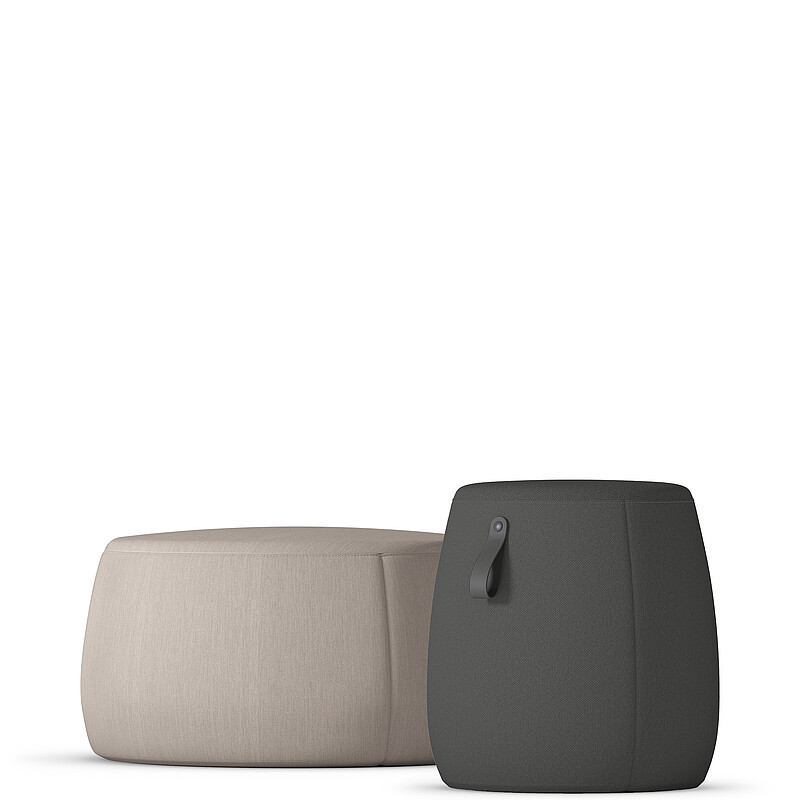
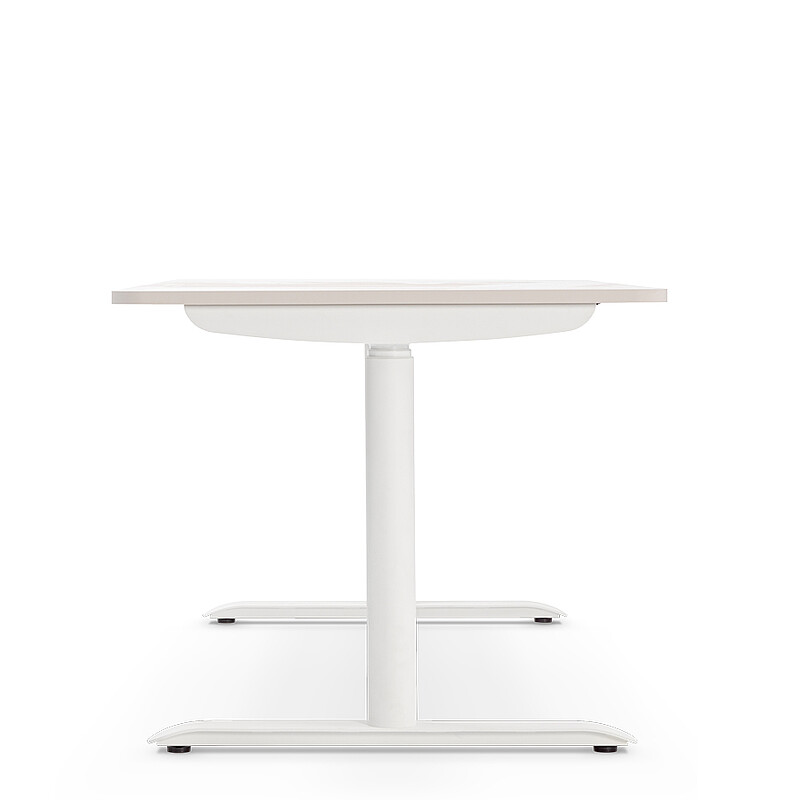
The future of the office does not lie in developing a single workplace that can do everything.
It lies in giving people several good options.
Concentration, collaboration, communication, and recovery all place different demands on our surroundings. At the same time, people differ in terms of the conditions they need in order to work productively.
The better a workplace landscape reflects these differences, the easier it becomes for employees to consciously adapt their surroundings to the activity they are currently performing.
Freedom of choice therefore creates more than greater comfort. It gives people control over a crucial part of their working day: the conditions under which they are able to do their best work.
And that is precisely where its potential lies for greater focus, satisfaction, and performance.

social media channels: