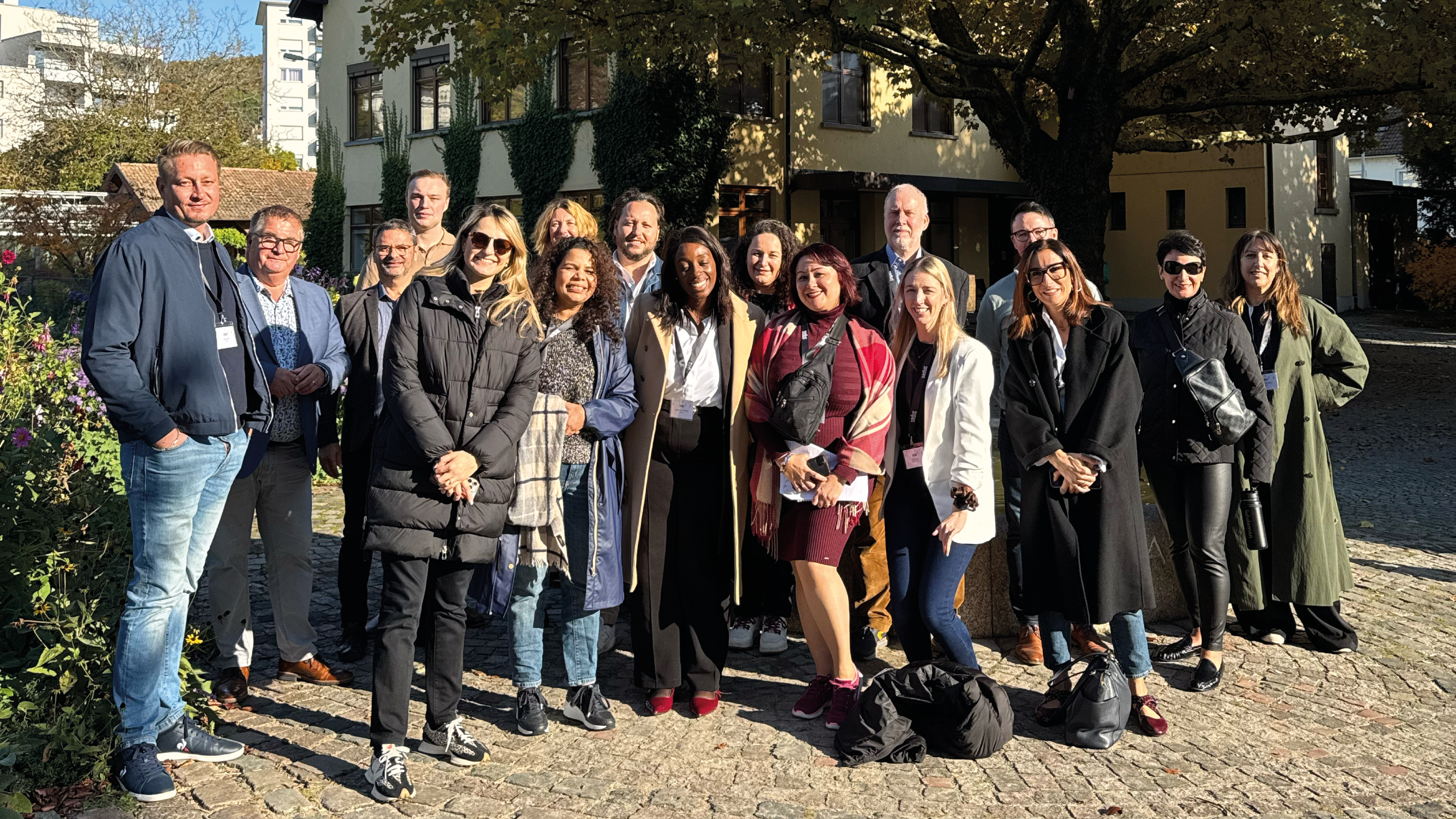


What inspired Sedus to create workspaces that truly foster inclusion? This question was at the heart of The Inclusive Journey, initiated by Sinem, Global Engagement Strategist at Sedus. From the start, the programme aimed to bring clients and partners together to actively participate, share experiences, and develop solutions collaboratively.
At Sedus, we have been highlighting DE&I for years across our teams and in industry discussions. It became clear that inclusion is increasingly a priority for companies, yet the connection between inclusion and workplace design—especially furniture—remained unclear. Clients often ask about our internal DE&I policies, but not how our products can help create inclusive workplaces. The Inclusive Journey was launched to explore exactly that: discovering together how furniture and spaces can actively foster inclusion and help employees feel they belong.
Inspiration Beyond the Office
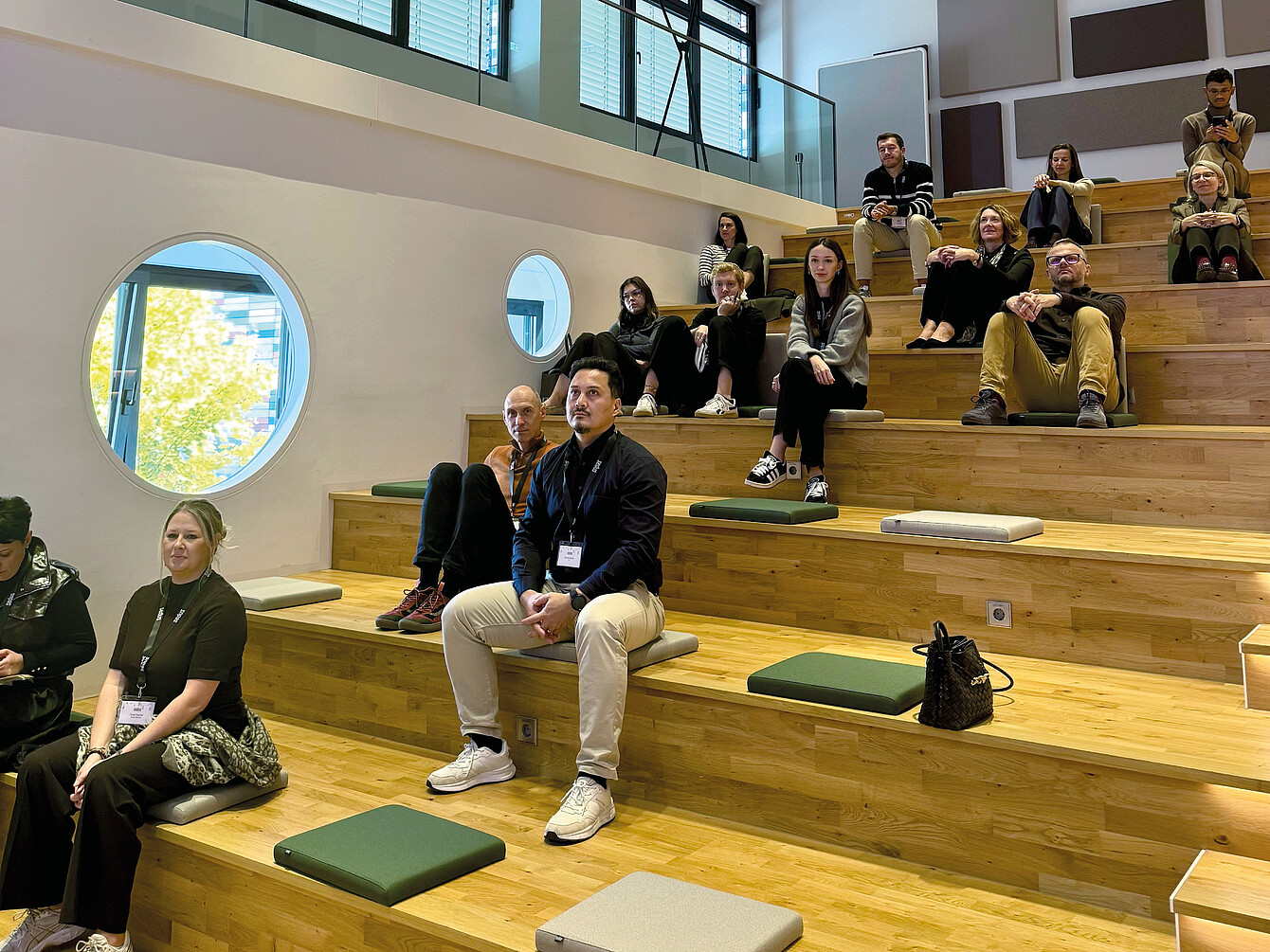
A particularly inspiring part of the programme was the visit to the Stoll VITA Foundation, which showed participants how Sedus’ impact extends far beyond the workplace.
“The foundation demonstrated how design and social engagement can create lasting impact. Participants explored the kindergarten, the gardens where children connect with nature, and workshops where parents can take language courses or repair household items. It made clear that choosing Sedus not only supports employees but also strengthens the broader community.”
Workshops: Co-Creating Inclusive Workspaces
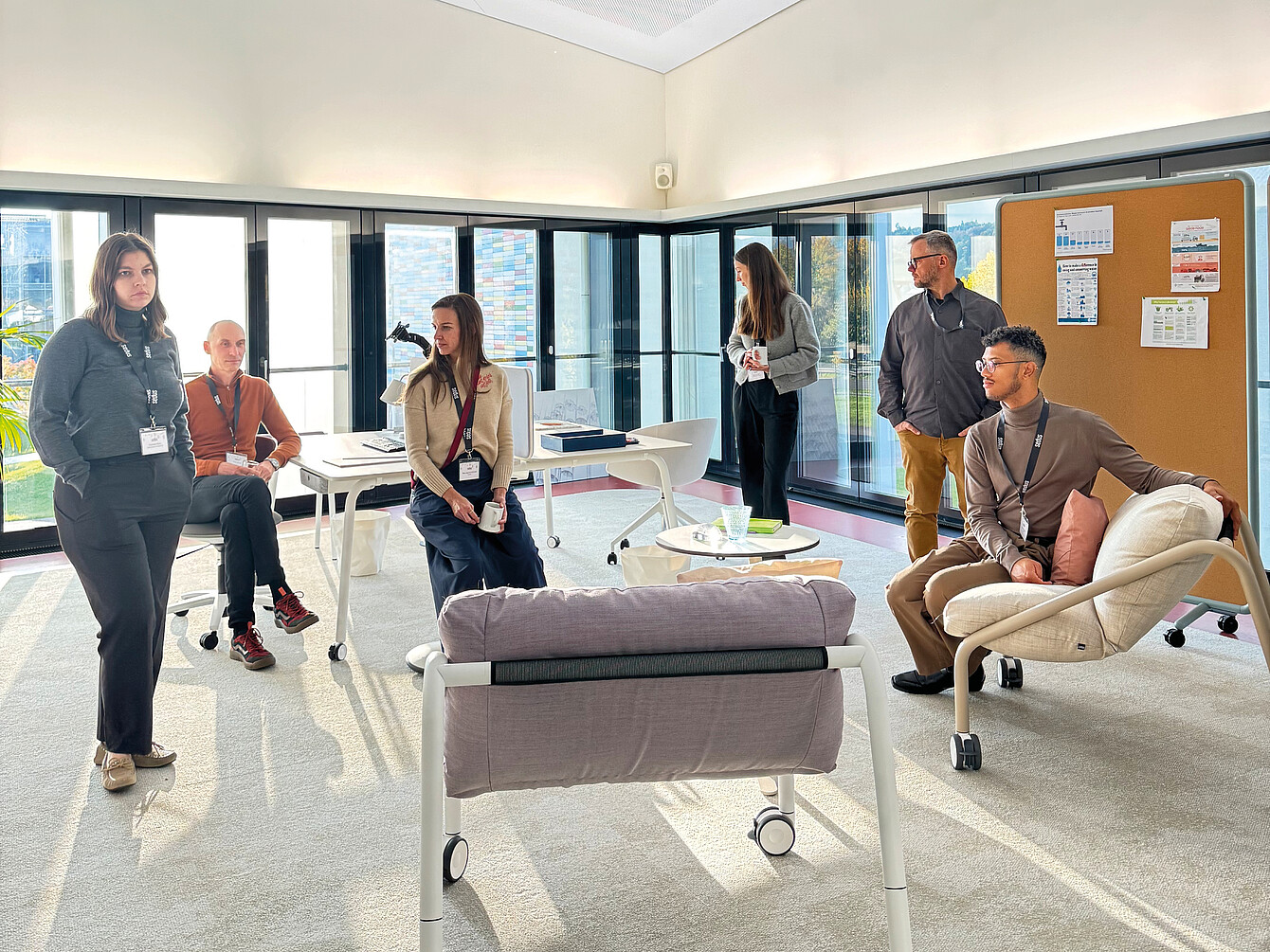
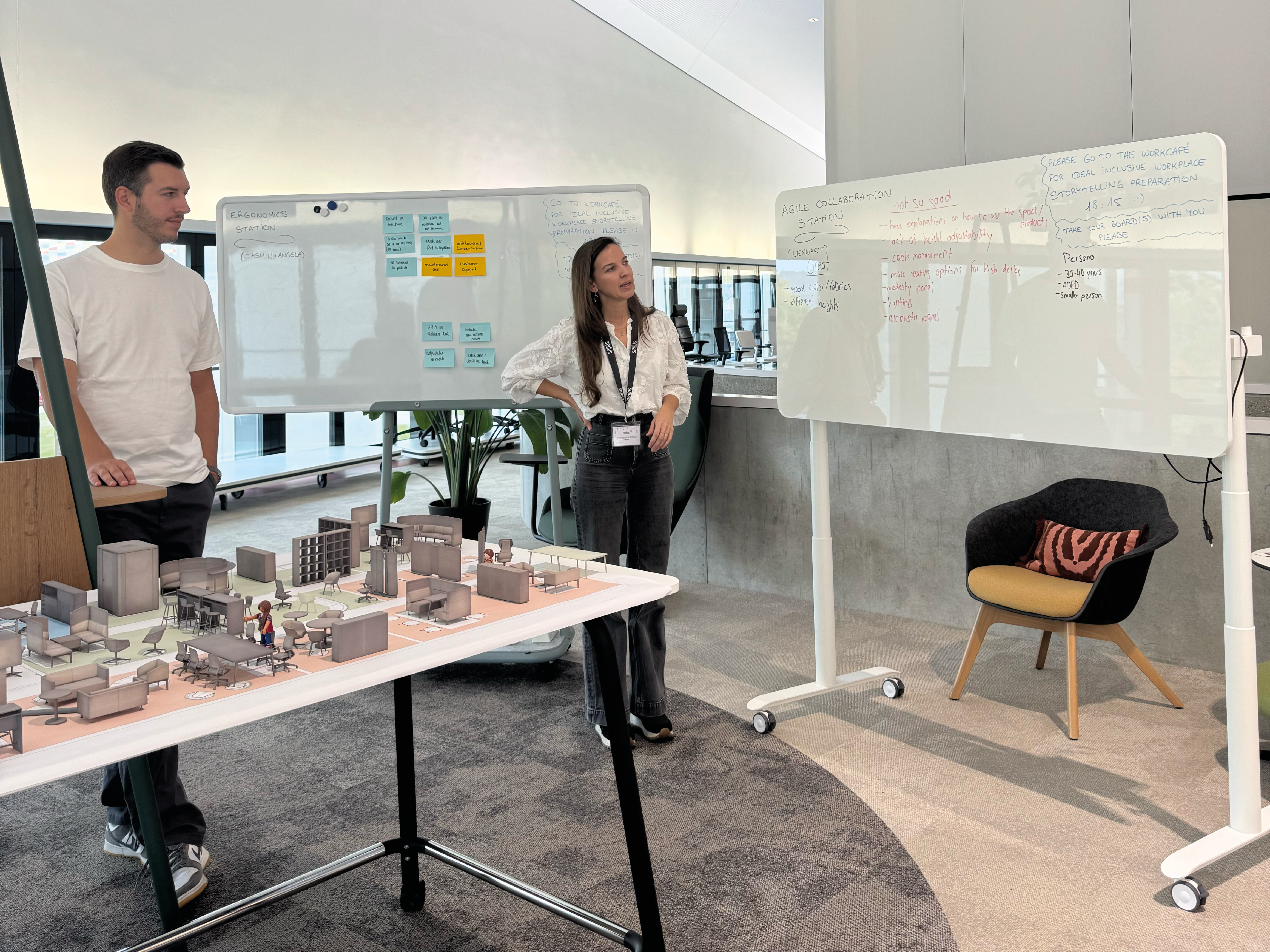
In the former R&D offices, now a space for showcasing products and shaping ideas, clients, partners, and Sedus teams worked in four groups: Anchoring at the Office, Focus & Communication, Agile Collaboration with WELL Standards, and Ergonomics & Inclusive Seating. The goal was to practically explore inclusion in workplace design and develop solutions together.
“The Anchoring group examined how furniture can strengthen employees’ sense of belonging—through personal lockers or social café areas. Other groups focused on concentration, communication, and flexible collaboration for all employees, including wheelchair users and those with specific sensory needs. The Ergonomics group explored seating for different body types and working styles. Finally, one group created a matrix based on WELL criteria to assess inclusiveness and measure how our products contribute to wellbeing.”
To make ideas tangible, participants used personas and the Sedus se:play 1:20 scale model, complemented with figures to visualise real-life scenarios.
“This playful approach encouraged inclusion in the process itself. Different ways to contribute allowed everyone to share perspectives and enriched the outcomes.”
Gaining New Perspectives
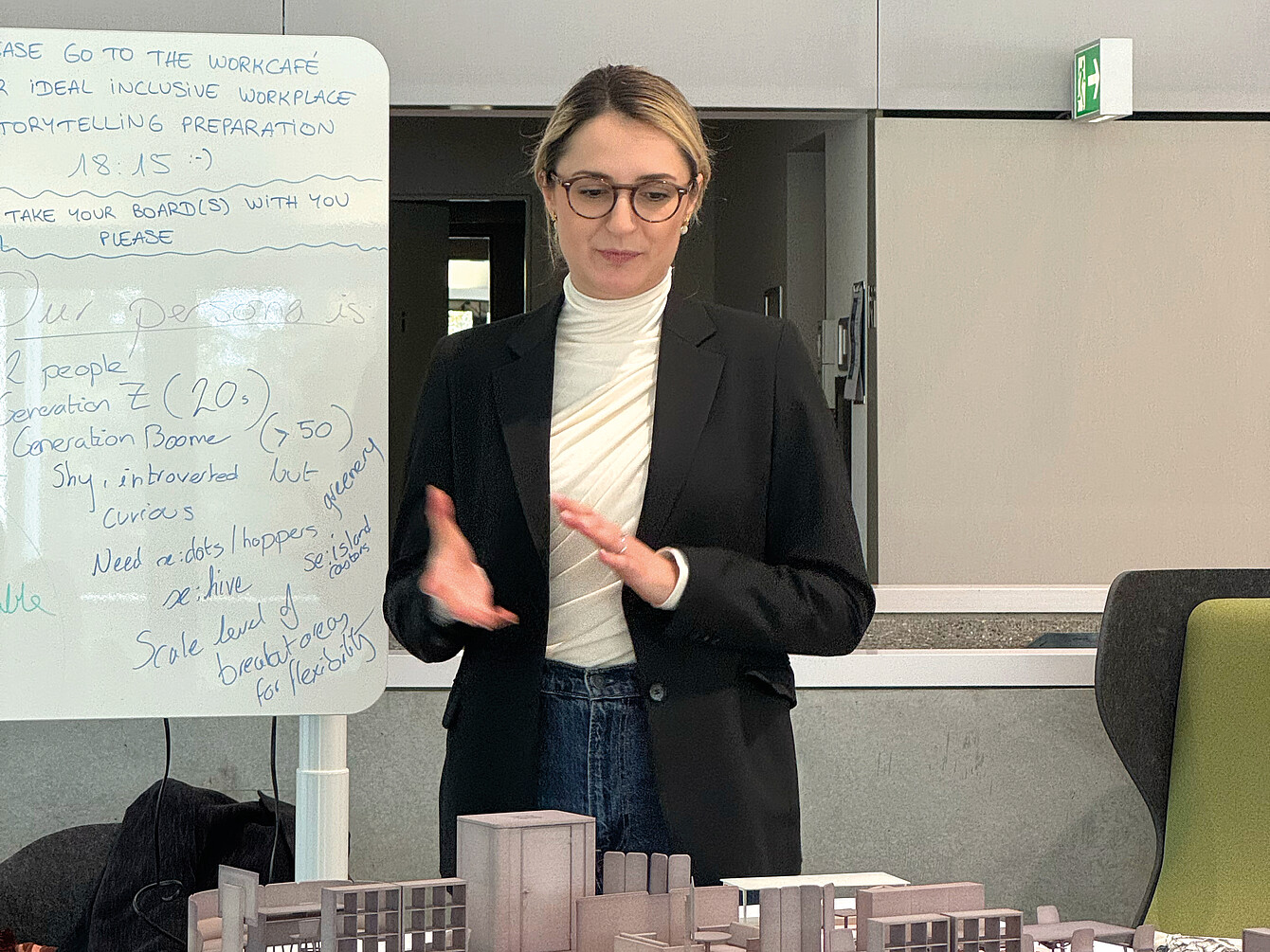
Each group also developed scenarios for ideal inclusive workplaces, covering diverse personas from wheelchair users to neurodiverse or highly sensitive employees.
“It was impressive how participants considered intersectional diversity and even temporary situations—such as an employee recovering from a broken arm. Inclusion is not about designing for a minority; it’s about creating environments that support everyone. Workplaces benefit from universal design principles that address the needs of all employees.”
Sinem highlights another key takeaway:
“Inclusion begins with observing and listening to how people actually interact with our products. Unexpected uses, such as pregnant employees adapting the se:lounge armrest and footrest, provide valuable insights. Our goal remains clear: designing workplaces for the range of employees, not the average, guided by universal design principles.”
Next Steps: Sharing Insights and Moving Forward
The insights from the Inclusive Journey will be consolidated in a White Paper and guide the next phase of the Sedus Think Tank. Sinem concludes:
“The Inclusive Journey is a continuous process that we pursue collaboratively with clients and partners. Our goal is to design workplaces where everyone feels included and empowered.”
Workplaces that merely function are good. Workplaces that create a sense of belonging, connection, and empowerment are transformative. The Inclusive Journey shows that inclusive design starts in the process, thrives through observation, and extends far beyond the office - for employees and society alike.

social media channels: