WHAT'S UP Blog

On our WHAT'S UP blog you will find exciting articles on new products, our trend research, new work concepts and helpful tips on all aspects of work and office furniture. You can also discover exclusive news and updates about Sedus.
Filter
Work Café Setting
Workplace Design 22/04/2026

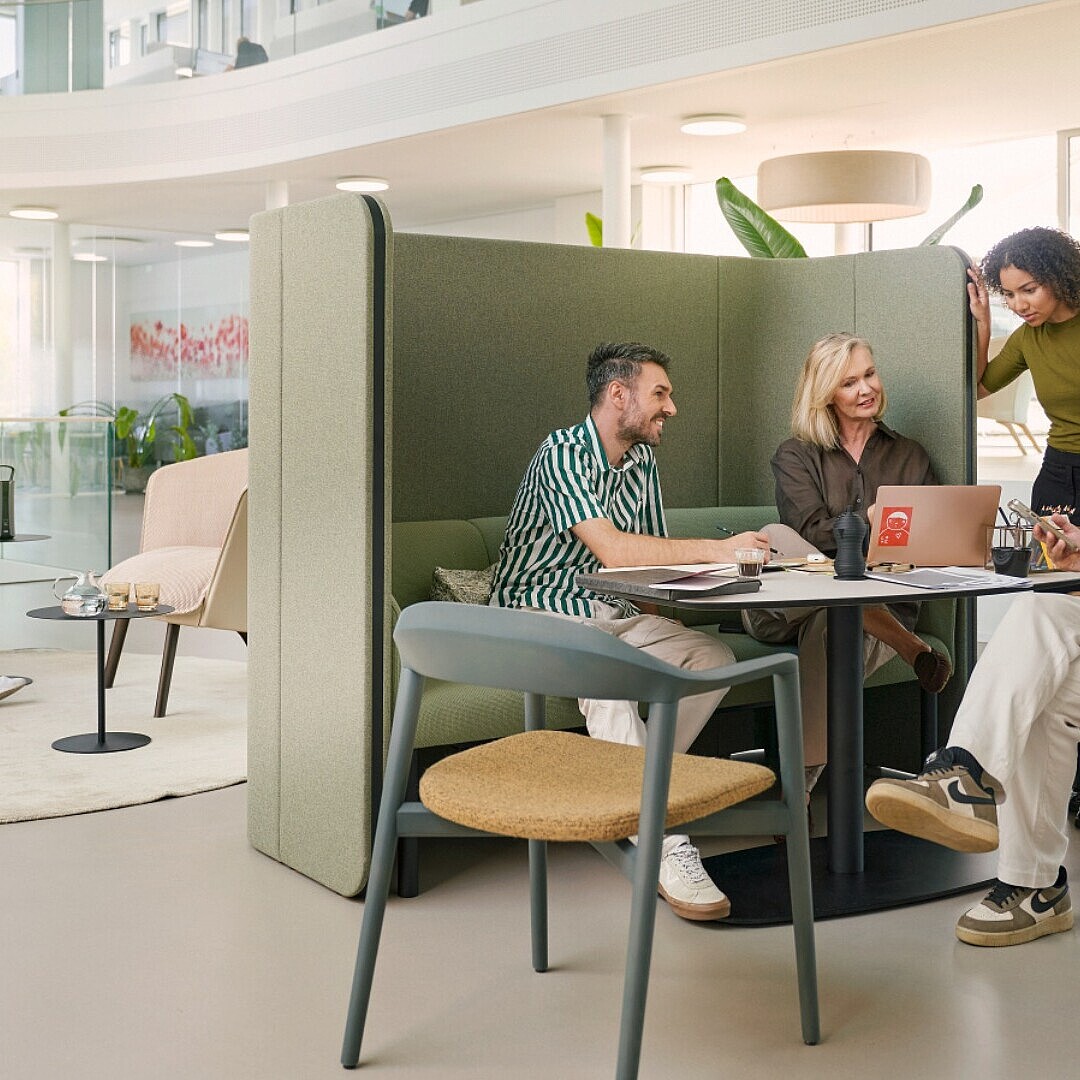
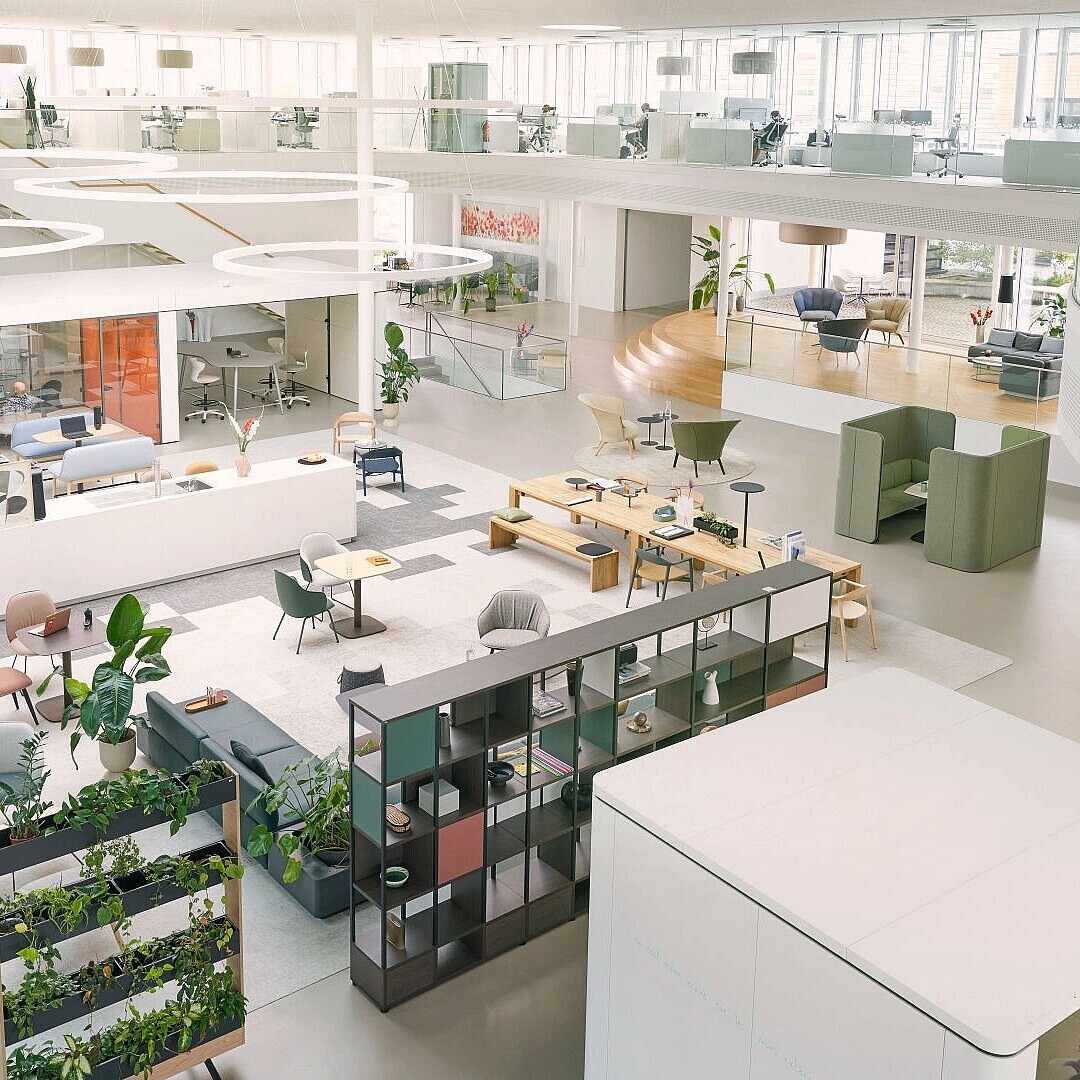
The Work Café as a Dual Modality: Social Exchange and Individual Focus – How Productive Environments for Concentration Emerge

It often begins inconspicuously: with a cup of coffee, a brief exchange, a spontaneous thought. Yet it is precisely in these moments that the potential of a space becomes clear - one that offers far more than a mere pause. The work café is no longer a peripheral feature; it is evolving into a central component of contemporary work environments. A place where interaction and concentration are not in opposition, but actively reinforce one another.
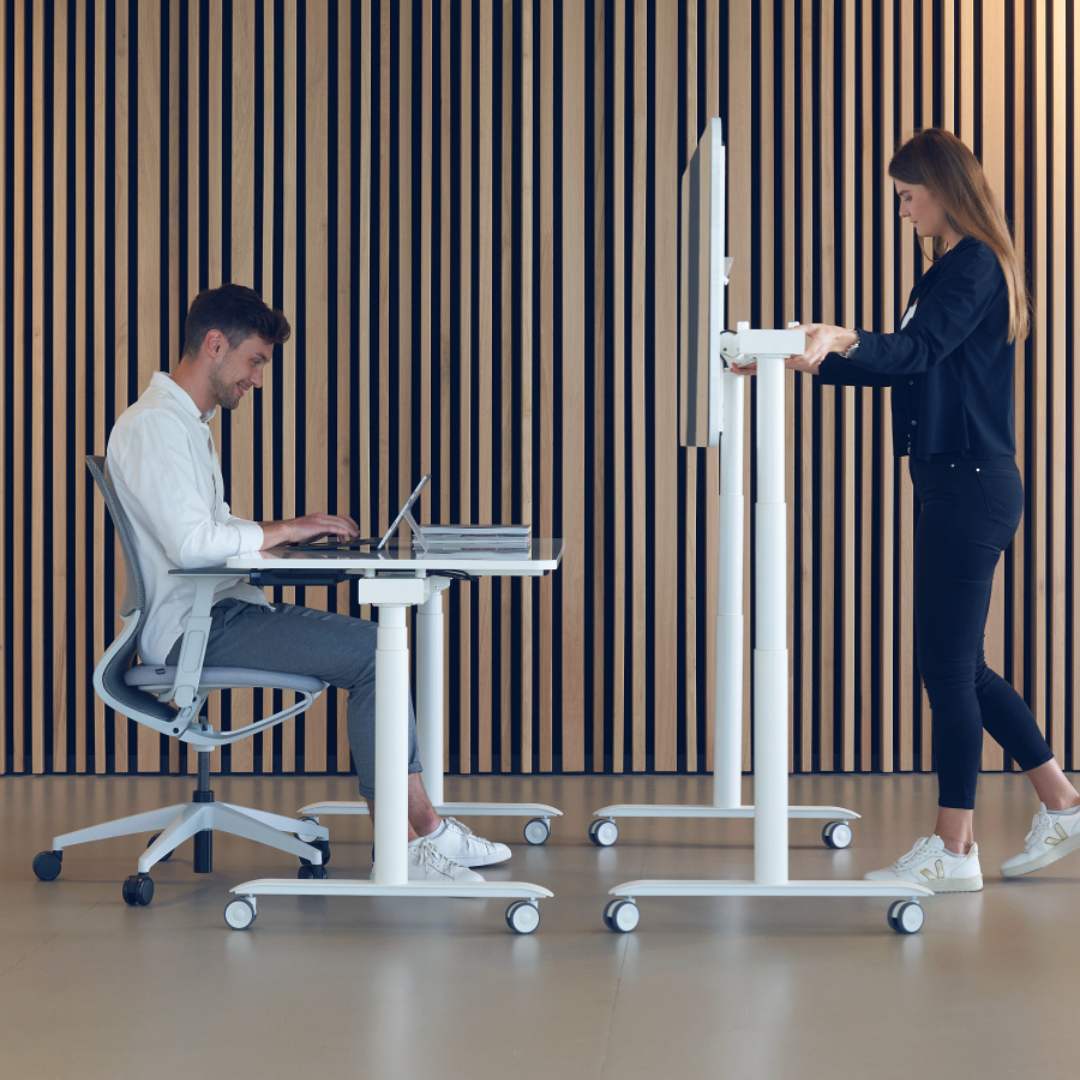
Open-plan office with people working at desks and standing, featuring ergonomic chairs, stools, and plants
Wellbeing 20/04/2026

More movement in the workplace: Why active breaks and dynamic sitting are so important in the office

For many people, sitting for long periods is part of their daily working routine – yet this is precisely what can lead to health problems and reduced performance in the long run. More movement in the workplace is therefore not a trend, but a necessity. Dynamic sitting and targeted active breaks in the office can not only reduce discomfort, but also boost concentration and productivity.
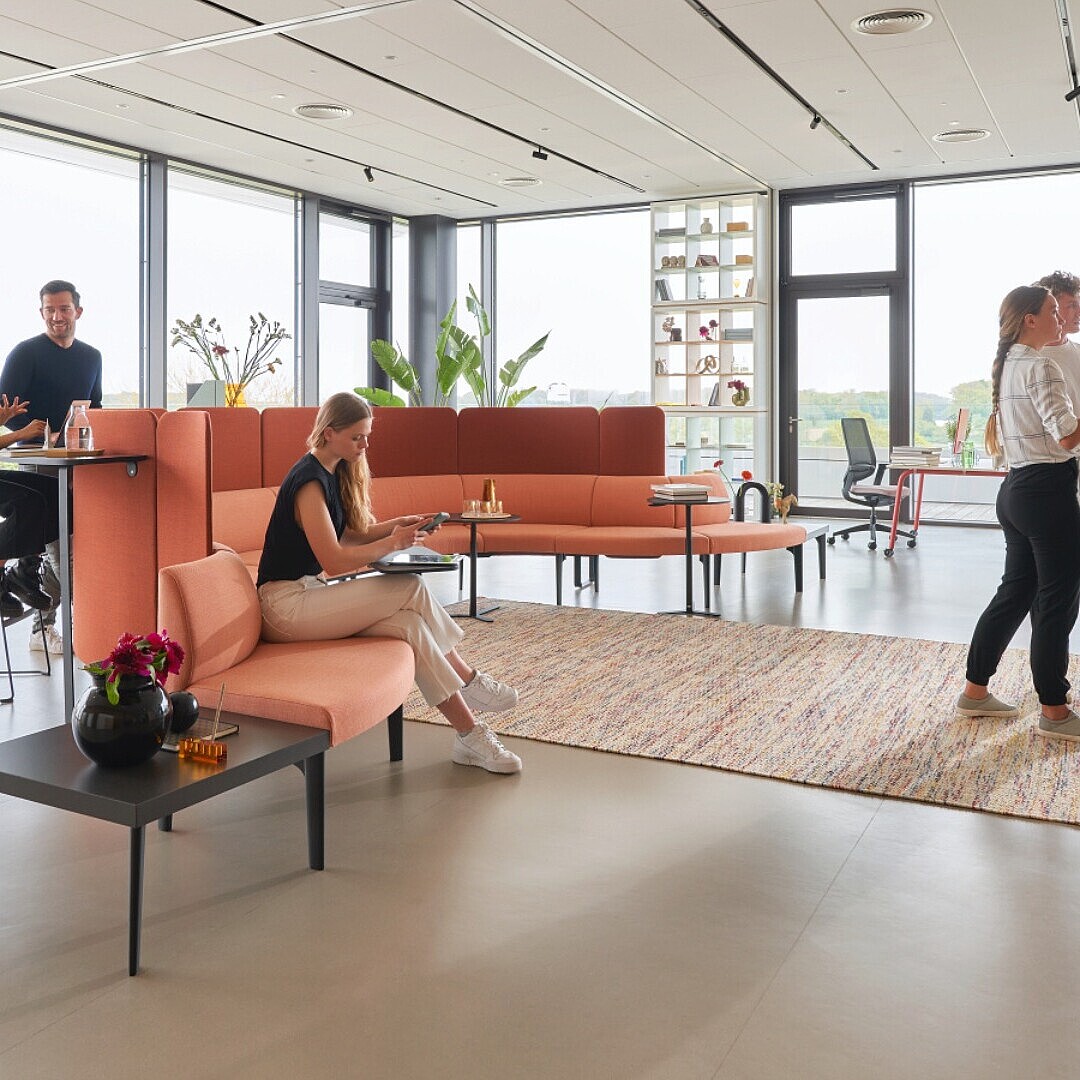
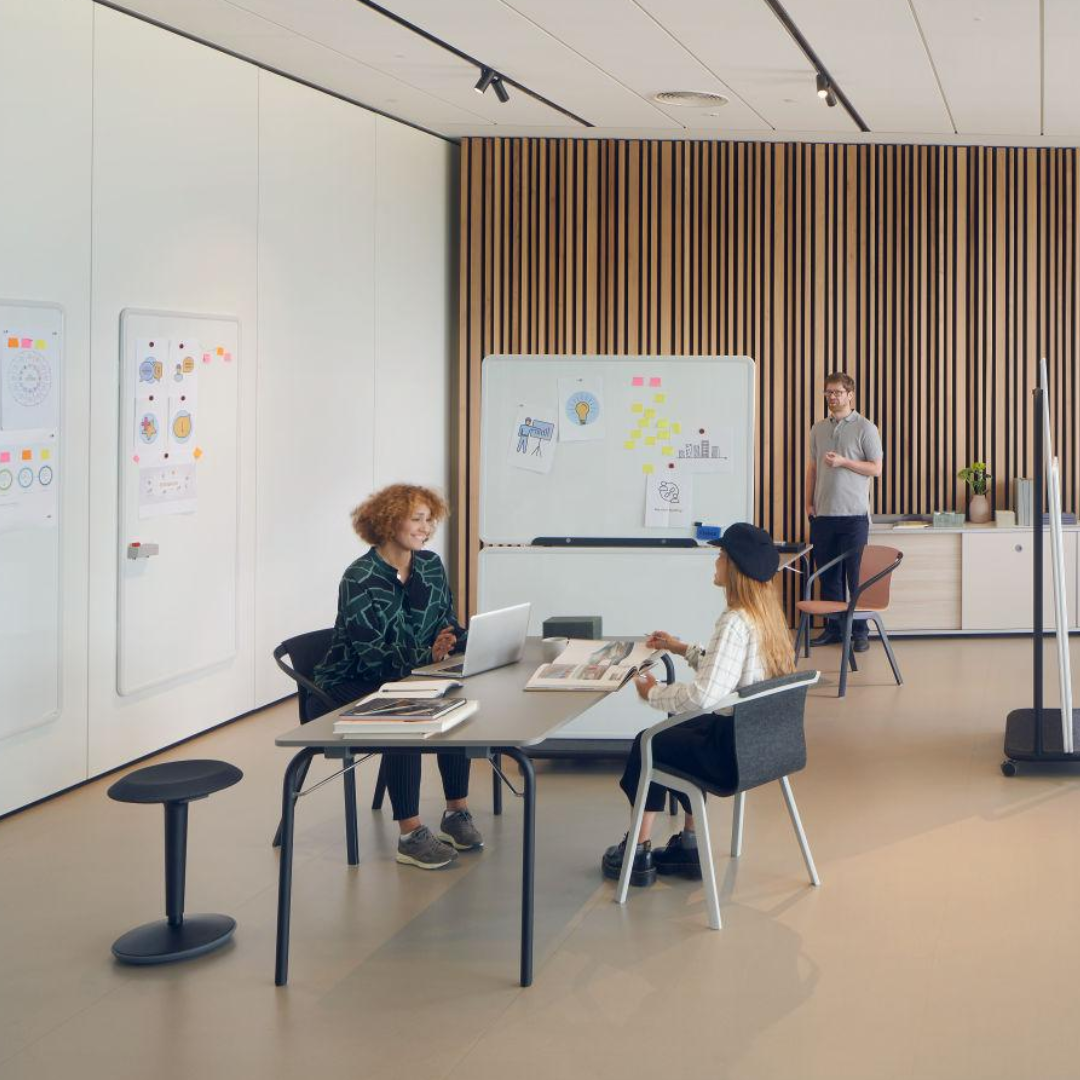
Open-plan office space with high tables and stools, whiteboards, plants, and natural light from large windows
News 15/04/2026

Office Trends 2026: This is what the future of work looks like in the New Work era

Office trends for 2026 clearly show that the office has long been more than just a place to work. It is becoming a strategic tool for businesses – a space that combines culture, innovation and well-being. At the heart of this are New Work trends that combine flexibility, sustainability and new spatial concepts, thereby redefining the future of work.
colleagues are sitting in an informal meeting
Workplace Design 10/04/2026

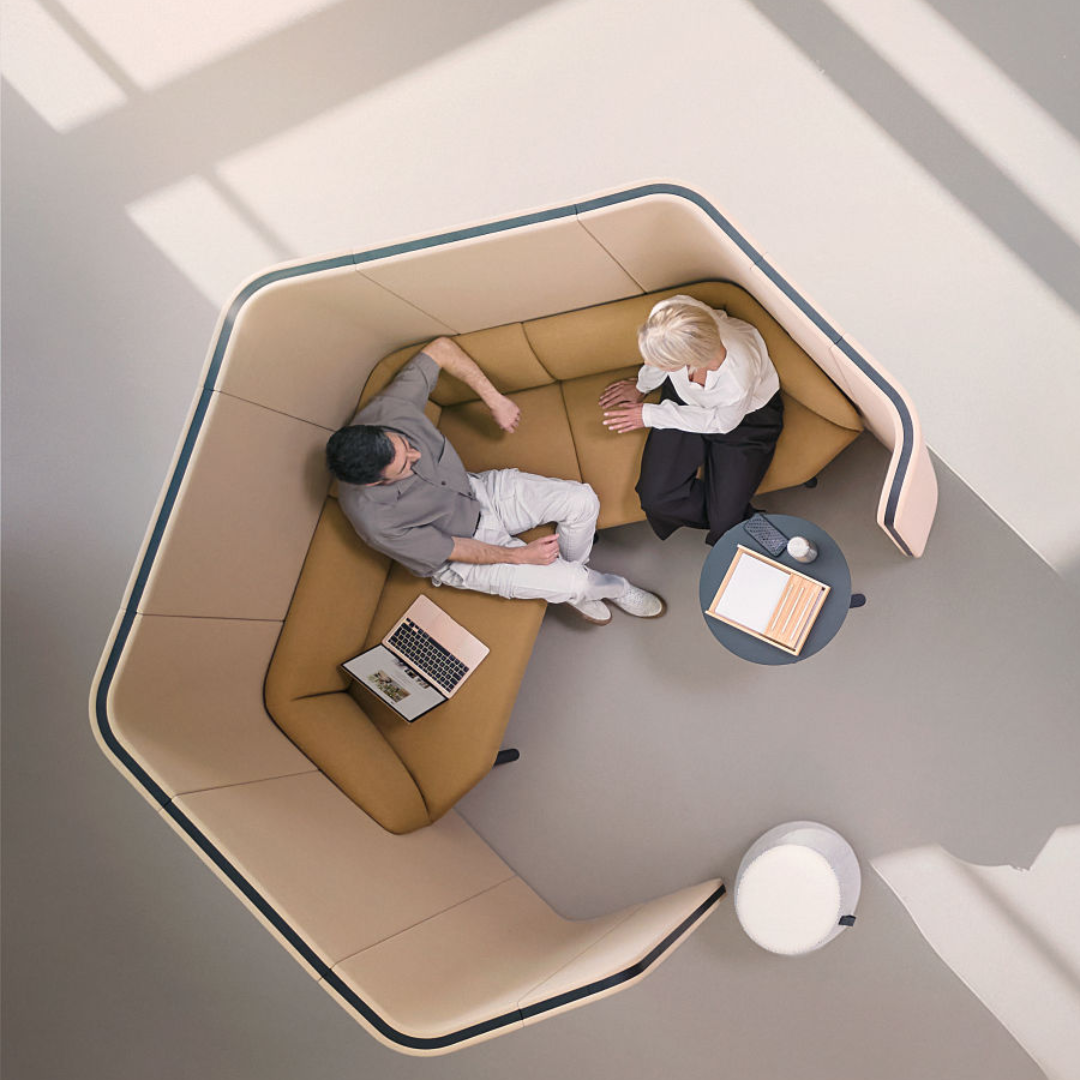
Soft Seating for Meaningful Conversations: How se:cove Redefines Informal Meetings

Long conversations need space. Not only in a metaphorical sense, but quite literally within the physical environment. While traditional meeting rooms are often designed for efficiency and structure, the most valuable dialogues tend to emerge in settings where atmosphere, comfort, and a sense of retreat come together.

This is precisely where soft seating comes into play - introducing a new quality of interaction in the workplace.
se:hive from above
Workplace Design 08/04/2026

Cognitive Zoning Instead of Uniform Space

The office is currently undergoing a fundamental transformation. For a long time, openness was considered the guiding principle of modern workplaces: communication, interaction and transparency defined spatial design. Yet with the growing density of digital stimuli and the rise of hybrid working, a different priority is coming into focus – the ability to concentrate.

In an environment shaped by constant connectivity, the office is becoming one of the few places where focused work can be deliberately supported. However, this challenge can no longer be addressed with standardised layouts. Instead, it requires a more nuanced and differentiated approach to space.
Open-plan office with large windows, multiple desks, and sound-absorbing booths where people are working or sitting
Wellbeing 06/04/2026

Reducing noise in the office: How to improve room acoustics with effective noise control

It’s hard to concentrate when phone calls, conversations and the constant tapping of keyboards dominate the working day. Reducing noise in the office not only creates a quieter environment, but also boosts productivity, well-being and overall employee satisfaction. But how can you achieve effective acoustic control in the workplace – and which measures genuinely make a difference to improve room acoustics?
Open-plan office space with circular seating areas, large round ceiling lights, plants, and a man working on a laptop inside a transparent cylindrical booth
Workplace Design 03/04/2026

Shaping focus: Multisensory design for concentrated work

As part of a comprehensive cultural and organisational transformation, Ford Otosan commissioned the design of its new headquarters in Izmit, Turkey, as a forward-looking working environment. The aim was to meet the requirements of hybrid working models while creating spaces that optimally support both collaboration and individual concentration.
Open-plan office with multiple people working and interacting at desks and standing in a bright space with large windows and plants
Workplace Design 01/04/2026

Collaboration in the office: collaborative spaces as the key to modern teams

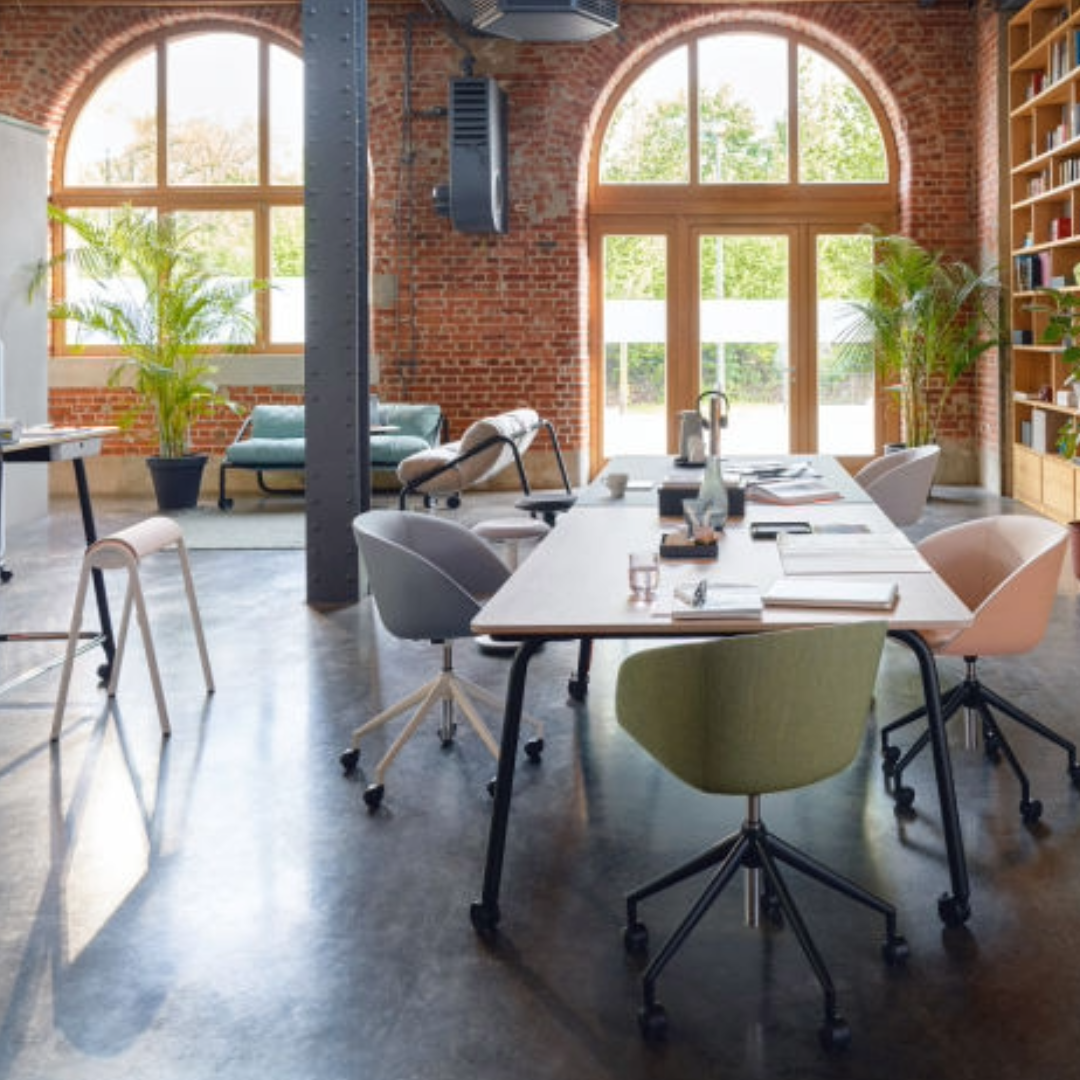
Collaboration in the office has undergone a fundamental transformation in recent years. Rigid workplace structures are increasingly giving way to flexible concepts that promote communication, creativity and productivity. At the heart of this development are collaborative spaces, which are specifically designed to foster teamwork and facilitate interaction between employees.
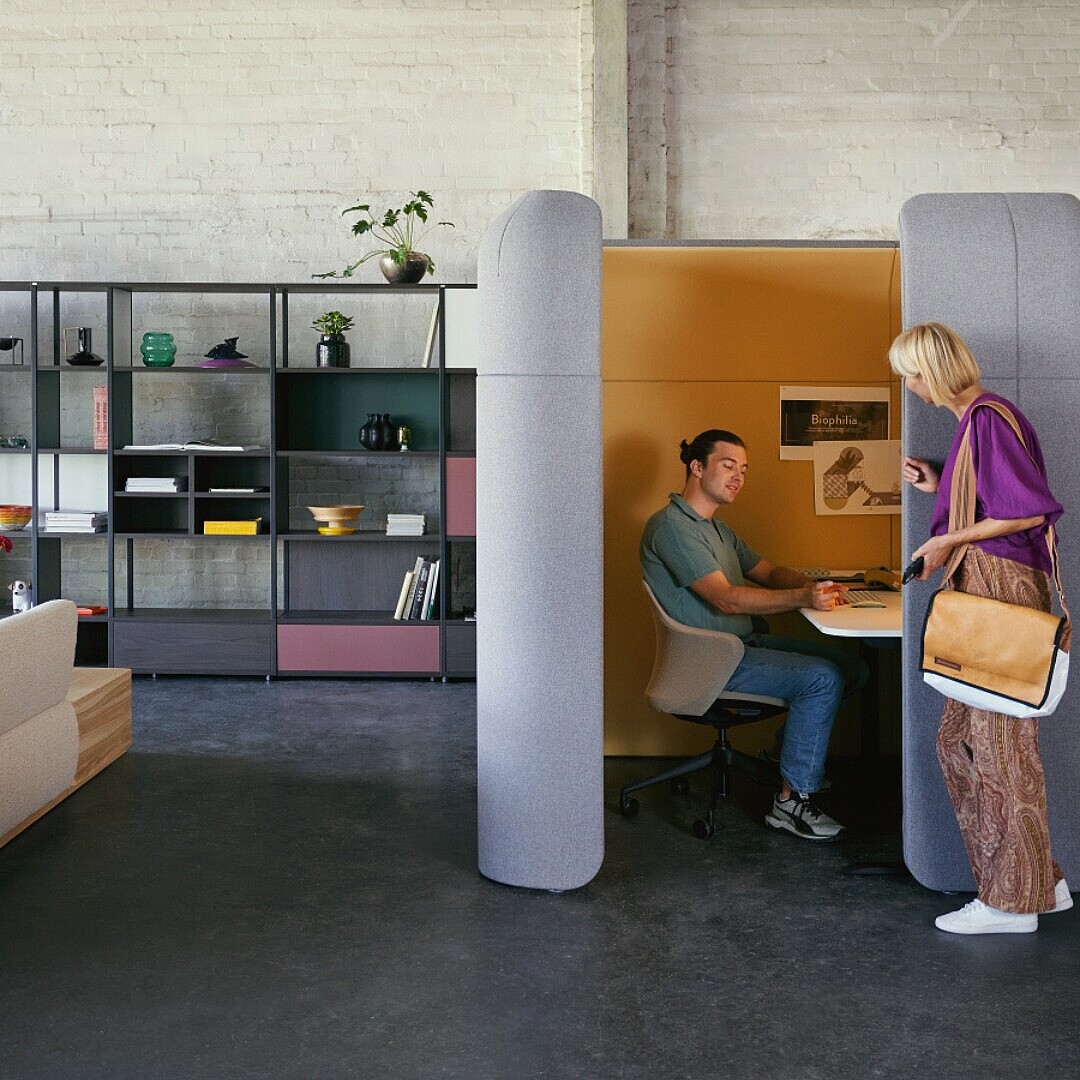
Person sitting at a desk in a modern office with exposed brick walls, large window, plants, and lounge seating area
News 30/03/2026

Hybrid working: the advantages of working from home vs. working in the office

Hybrid working has long since evolved from a trend to an integral part of modern working environments. The combination of home office and office brings together the best of both worlds – greater flexibility, higher productivity and stronger employee loyalty. But how exactly does a home office and an office differ? And what advantages does hybrid working offer companies and employees?
Open-plan office space with white and yellow sofas, large potted plants, circular ceiling lights, and a digital information display
Workplace Design 20/03/2026

A working ecosystem for focus, exchange and autonomy

What does an office that truly meets the requirements of hybrid working look like? The new headquarters of Gruppo CAP in Milan provides a convincing answer across an area of 3,020 m². The project, by Alterstudio Partners, shows how working environments are evolving from classic offices with fixed desks to flexible, user-centred ecosystems.
Sedus HUB Berlin
Workplace Design 18/03/2026

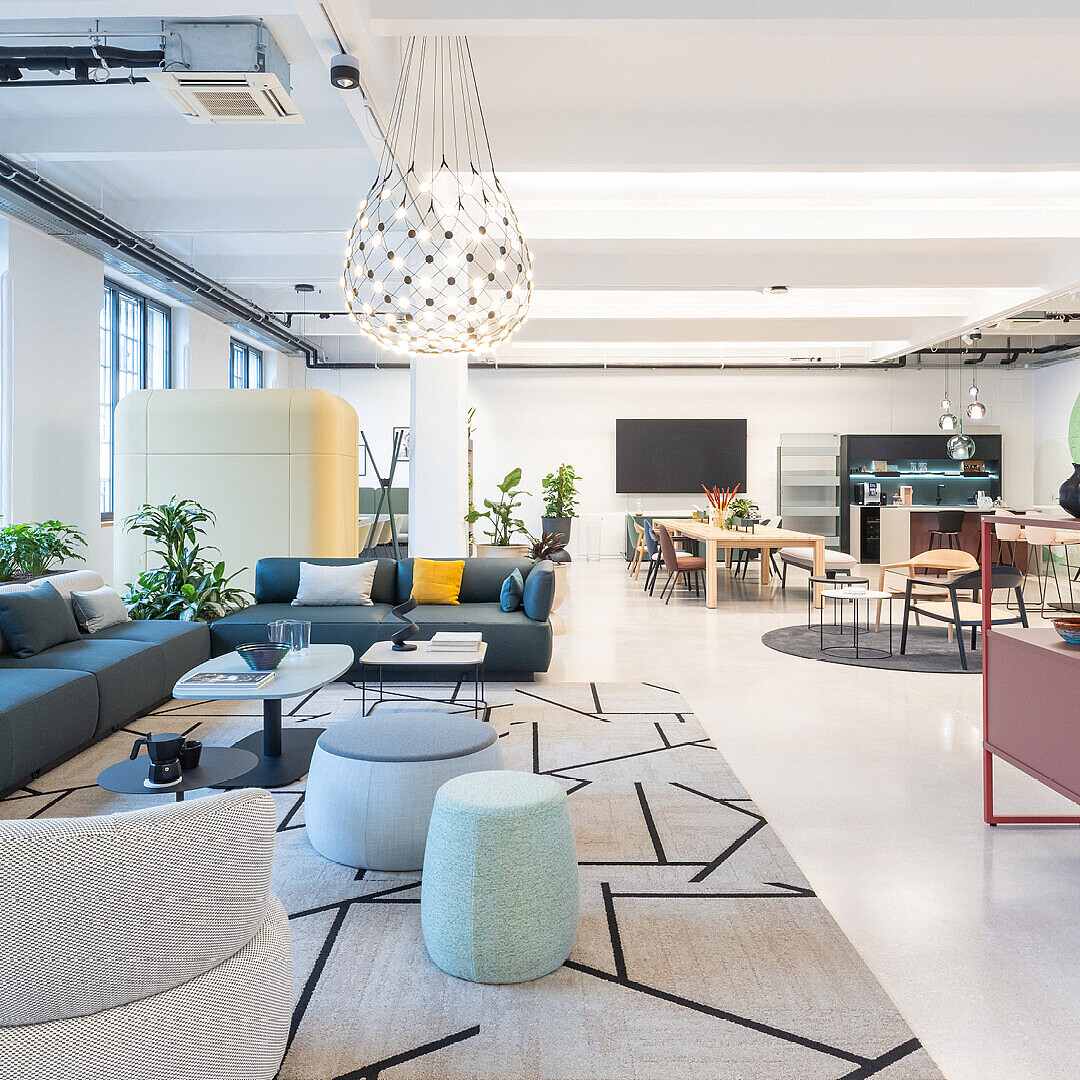
Sedus Hub Berlin: Urban Work Café Spirit – With Space for Focus, Calm and Connection

Berlin is energy, culture, movement. At the same time, it is a city where the transformation of the working world has become especially visible: co-working spaces, cafés, creative meeting points – “third places” are part of everyday life here.

It is precisely within this environment that the Sedus Hub Berlin was created: as a showroom, as an inspiring meeting place, and as a vibrant space where modern work culture is not only presented, but truly lived.

The Sedus Hub Berlin is not a traditional exhibition space. It is a place that makes the spirit of Sedus tangible – inviting visitors to experience, explore and rethink contemporary work environments.
Modern lounge area with a white sofa, two black armchairs, a low coffee table on a patterned rug, a wooden shelving unit with books and plants, and large windows separating an adjacent seating area with pink chairs
Workplace Design 11/03/2026

Lounge furniture in the office: How New Work Lounges are changing modern working environments

The world of work is changing. Hybrid working, agile teams and project-based collaboration are shaping everyday office life. Traditional rows of desks are increasingly being replaced by flexible room concepts. Lounge furniture plays a central role in this, not only offering comfort but also enabling new forms of communication, creativity and relaxation.
Sedus Office Setting
Wellbeing 04/03/2026

More Atmosphere, Less Space – How Dr. Stefan Rief Envisions the Future of Work

What will the workplace of tomorrow look like – and what kind of space will it require? This question concerns not only us at Sedus, but also Stefan Rief, Head of the Research Unit for Organizational Development and Work Design at the Fraunhofer Institute for Industrial Engineering IAO in Stuttgart. As one of the leading experts in organisational and workplace design, he has spent many years researching at the intersection of people, technology, and space. We spoke with him about how work is evolving – and what places like the Work Café will need to offer in the future.
Two people working separately in adjacent hexagonal booth desks with laptops and office supplies
Wellbeing 27/02/2026

Peripersonal space (PPS): The neuro-logic behind good workplace design

Why do we feel immediately focused in some workplaces and constantly distracted in others? Why does an open-plan office sometimes exhaust us more than the actual task at hand? The answer lies not only in noise levels or interruptions. It runs deeper: into the way the brain processes space, stimuli, and safety.
Open office space with se:hive room solution featuring a curved high-backed booth with table and stools, surrounded by various seating areas and circular ceiling lights
Workplace Design 25/02/2026

Cognitive zoning made easy: se:hive as a flexible tool for planners

In hybrid working environments, digital and physical forms of work merge into a dynamic whole – with constantly changing requirements for spaces, users and tasks. "Focused work as a scarce resource" has become a central issue: according to Sedus INSIGHTS N° 20, modern working environments must not only promote interaction and exchange, but above all enable targeted concentration. Open-plan spaces need differentiated zones that help employees choose the right place for their respective tasks. This means less rigid departments and more sensory and functionally coordinated zoning of the space.
Inclusive Focus Settings in an office
Wellbeing 20/02/2026

Planning for Neurodiversity: Offices for Diverse Sensory Profiles

For decades, workplaces were designed around the idea of an “average” user. In the age of hybrid work, it has become increasingly clear: such an average does not exist. People differ not only in their tasks and working styles, but also in how they perceive, process, and regulate stimuli. This is precisely where the concept of neurodiversity comes into play — and why it has become a central planning consideration for modern offices.

Sedus INSIGHTS N° 20 demonstrates why concentration, well-being, and performance are closely linked to sensory perception — and why work environments must increasingly respond to diverse sensory sensitivities.
Open-plan office with large windows, featuring textile privacy pods in green and blue, and seating areas with modern chairs and small tables on a rug.
Workplace Design 09/02/2026

How textile retreats become a productivity lever

Open working environments stand for exchange, transparency and dynamism. At the same time, studies and everyday experience show that noise, visual stimuli and a lack of places for retreat are among the biggest productivity killers in the office. The solution lies not in choosing between openness and isolation, but in intelligent intermediate zones. Textile retreats such as se:hive demonstrate how acoustics and privacy can be used as levers to enhance wellbeing and focus.
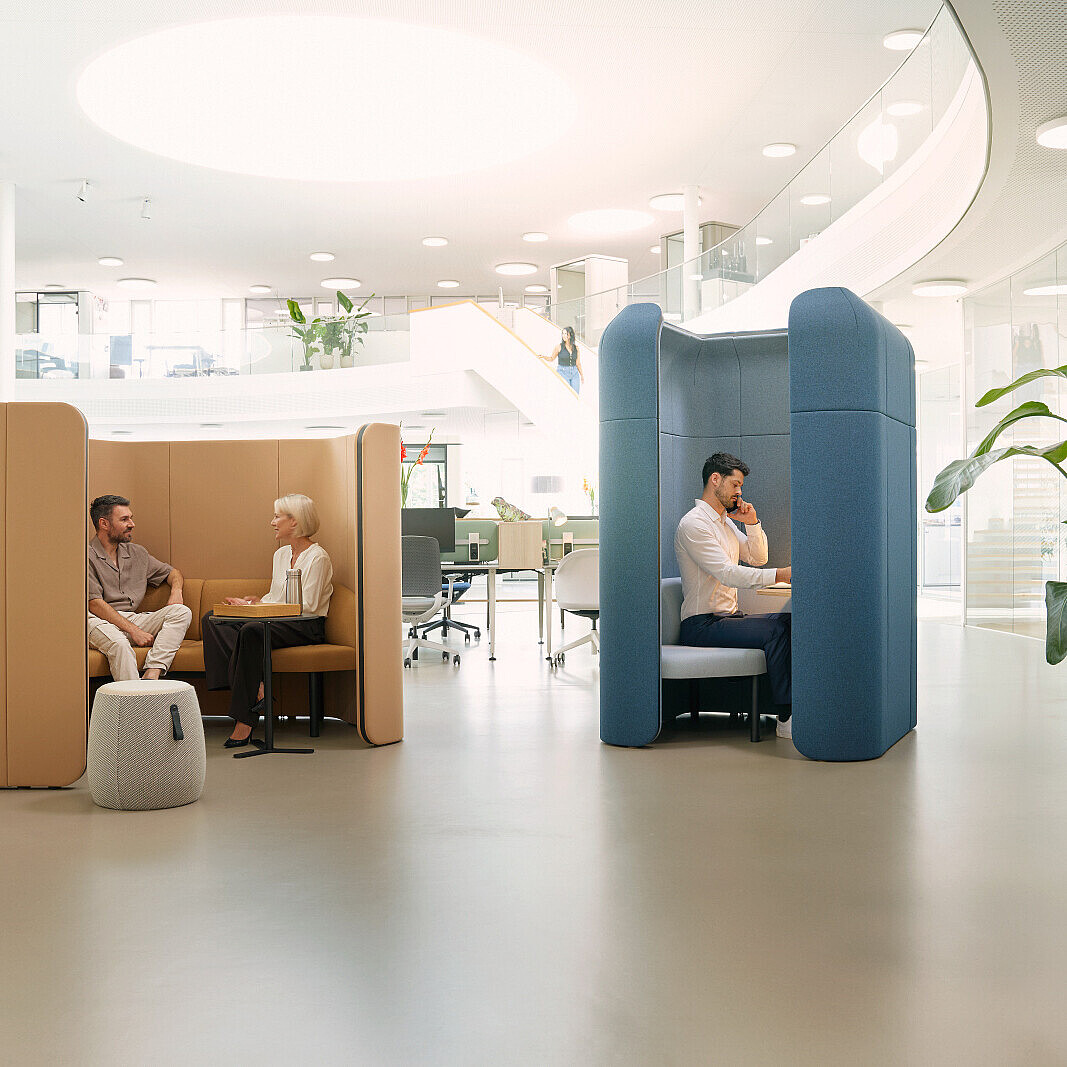
Two modular se:hive seating units in an open office space, one beige with two people seated inside and one blue with a single person seated, both designed as semi-enclosed retreats.
Workplace Design 06/02/2026

How se:hive enables retreat and focus in open spaces

For years, open working environments have been synonymous with exchange, transparency and collaboration. They promote interaction, accelerate communication and strengthen corporate culture. At the same time, however, it is becoming increasingly clear that openness alone is not enough. Concentrated work – the basis for quality, clarity and productivity – requires protection, quiet and control over the immediate environment.
se:hive in green and pink
Wellbeing 27/01/2026

Why Focus Is Becoming the New Guiding Principle in the Hybrid Office

For a long time, the office was primarily seen as a place of encounter: open, communicative, and creative. Collaboration was the guiding principle of office design – with open-plan layouts, community tables and informal meeting zones. Yet the reality of hybrid work is making one thing increasingly clear: collaboration alone is not enough. People come to the office not only to exchange ideas, but above all to find the right conditions for focused, concentrated work.
Modern office space with a glass-walled meeting room containing an orange swivel chair and round ottoman, adjacent to a lounge area with a green sofa, small round stool, and wooden slat wall with plants and coat rack.
Workplace Design 23/01/2026

A touch more wellbeing: how the new display takes se:cube to the next level

Touch displays are now an integral part of our everyday lives – we swipe, tap and navigate intuitively through digital interfaces. It was precisely this user behaviour that prompted the development of the new touch display for se:cube and se:cube max. In this interview, Sedus product manager Nike Alberts provides insights into the development process, the idea behind them and the added value for modern working environments.
1 2 3 »
Contact
Contact Us!
Showroom
See our visions!