WHAT'S UP Blog

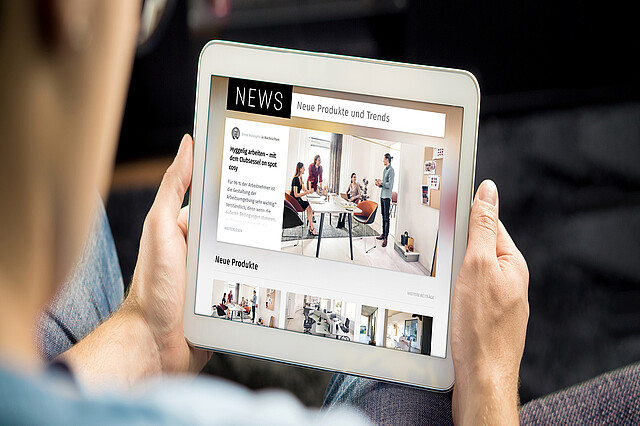
On our WHAT'S UP blog you will find exciting articles on new products, our trend research, new work concepts and helpful tips on all aspects of work and office furniture. You can also discover exclusive news and updates about Sedus.

Filter
Sedus smart office
Workplace Design 24/04/2026

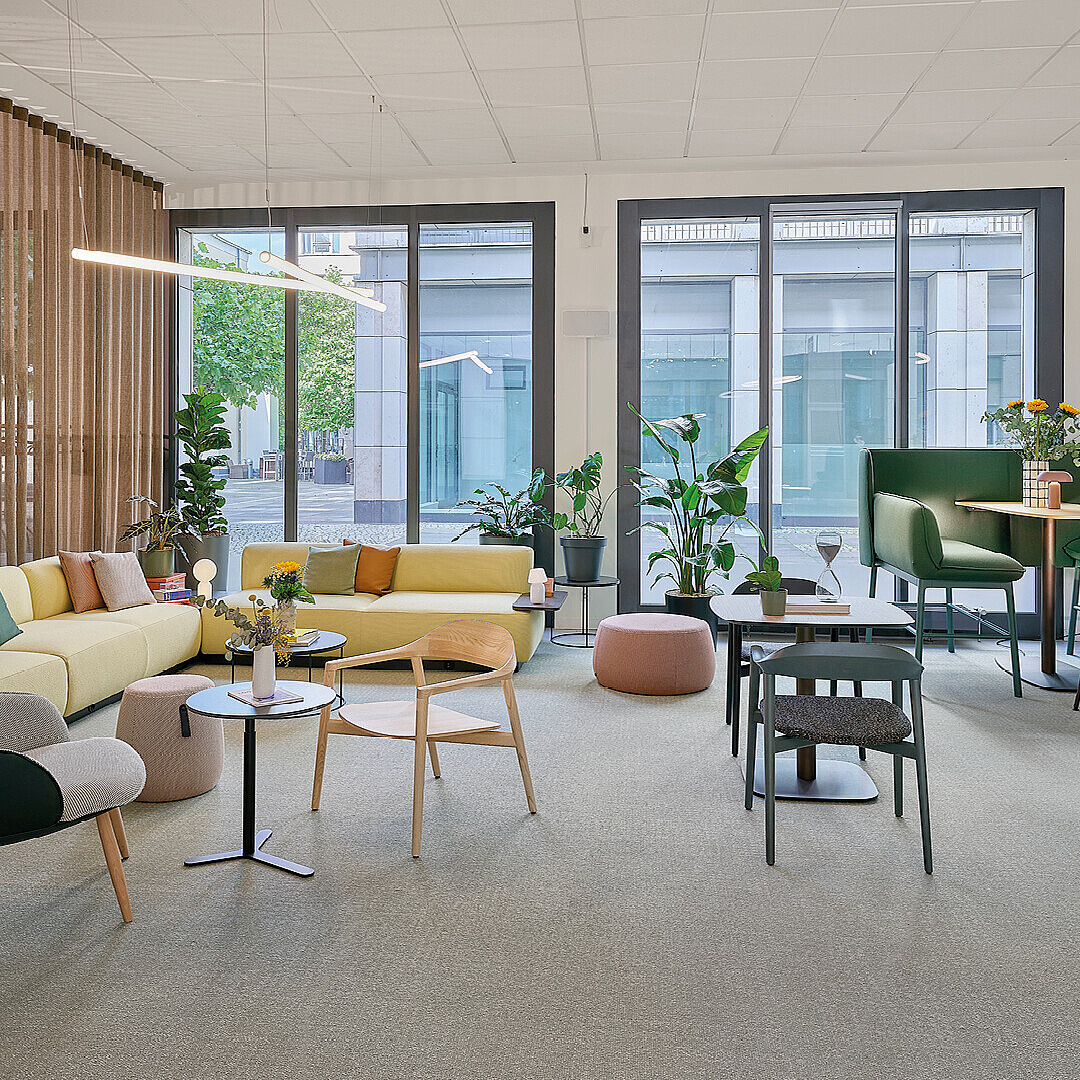
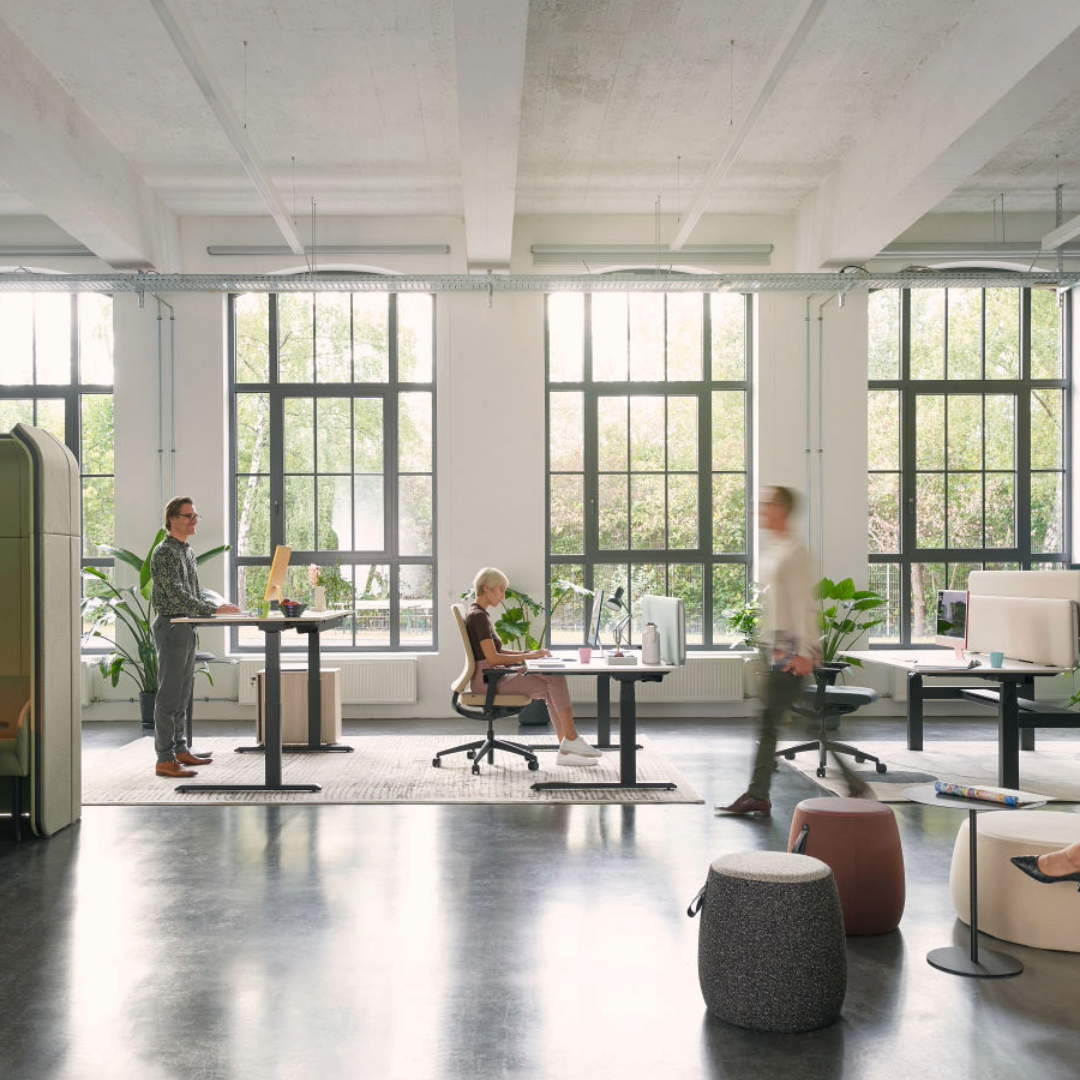
Retreat within the open space - se:cove as a personal focus spot

Open-plan workplaces promote transparency, interaction, and dynamic exchange. Yet the more open they become, the clearer the need for retreat emerges - not as an opposite, but as a necessary complement.

Sustained focus cannot thrive amid constant noise. With digital stimuli and conversations competing for attention, every interruption carries a cognitive cost, making deep concentration harder to regain - especially in open environments.

The question, then, is no longer whether retreat is needed, but how it can be designed without compromising openness.
Work Café Setting
Workplace Design 22/04/2026

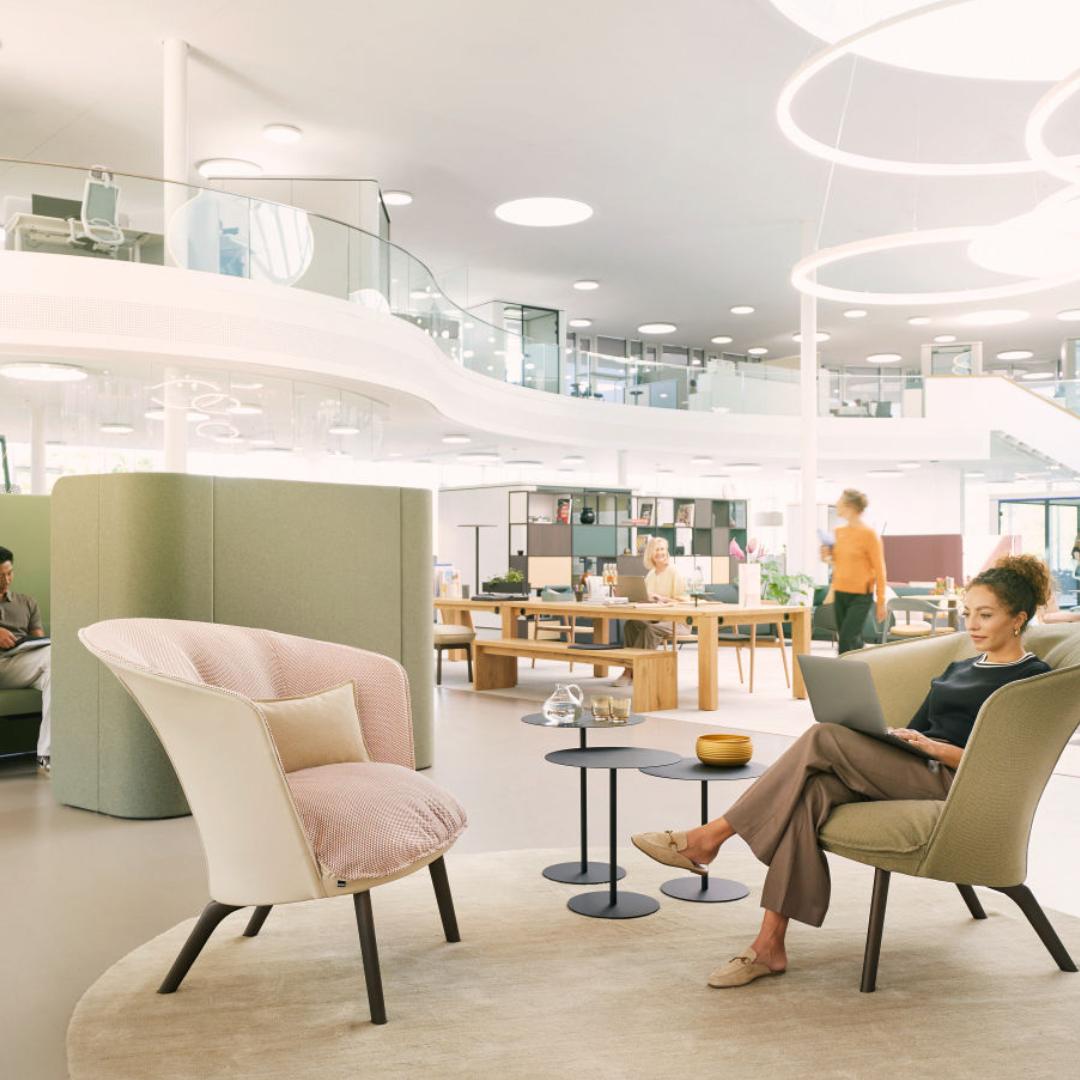
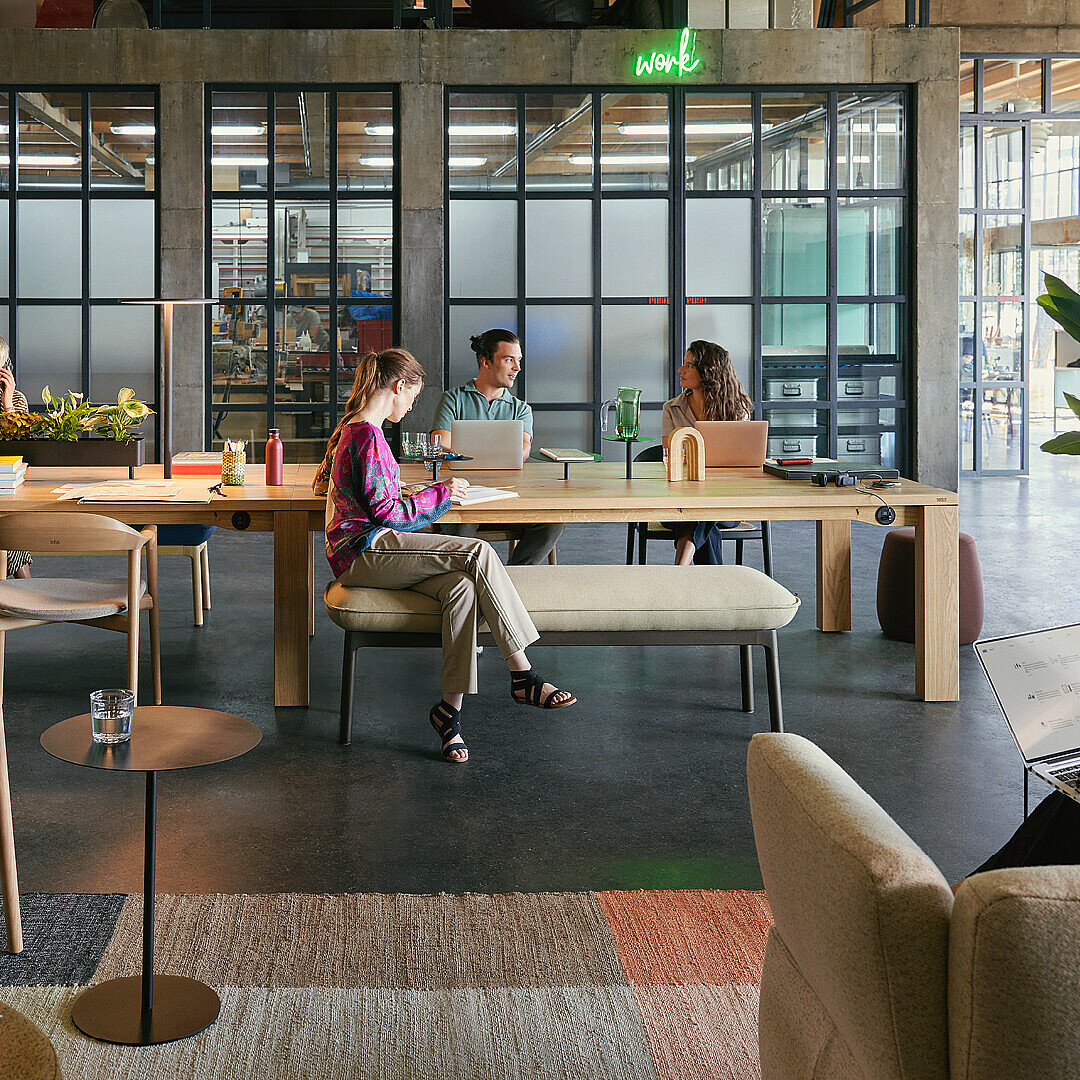
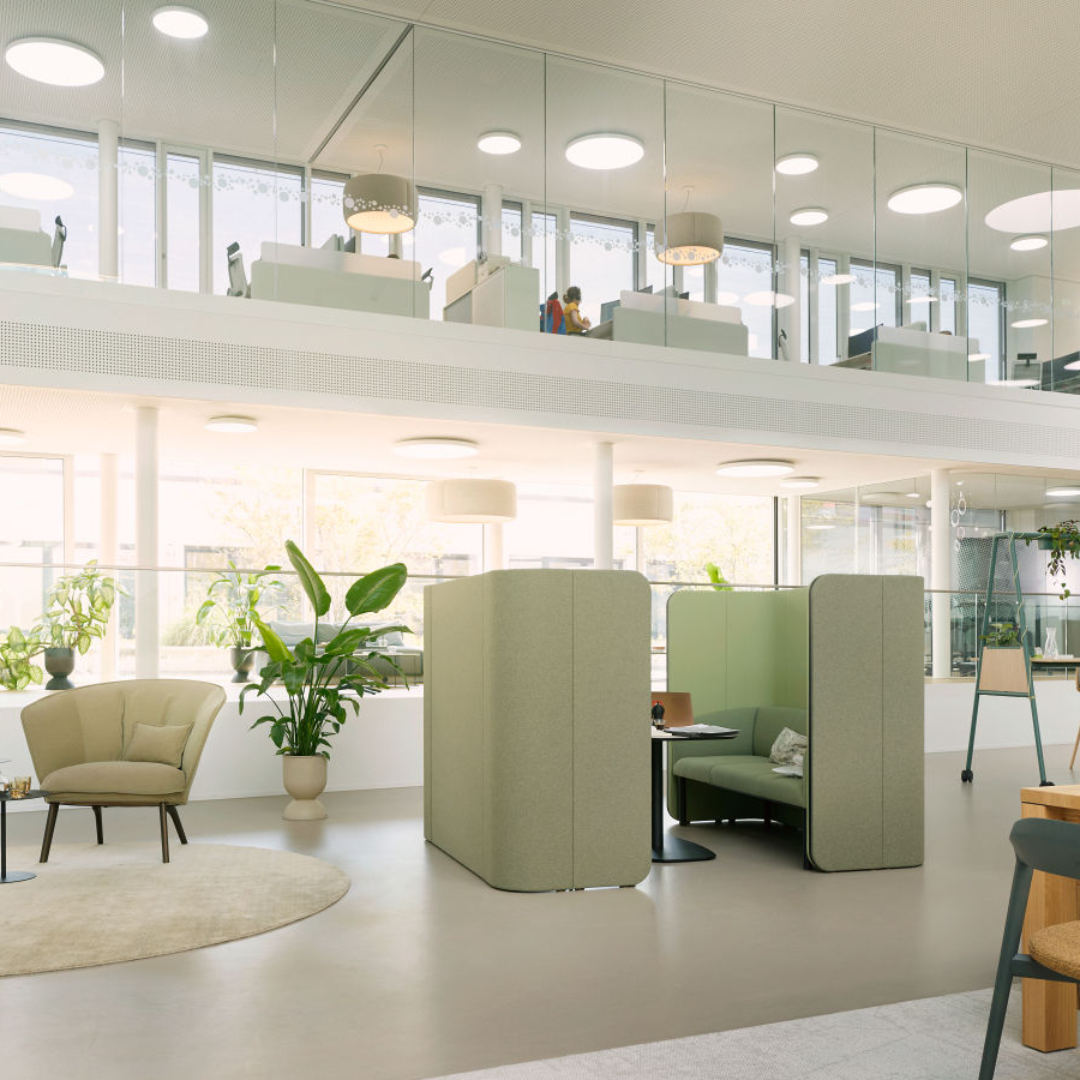
The Work Café as a Dual Modality: Social Exchange and Individual Focus – How Productive Environments for Concentration Emerge

It often begins inconspicuously: with a cup of coffee, a brief exchange, a spontaneous thought. Yet it is precisely in these moments that the potential of a space becomes clear - one that offers far more than a mere pause. The work café is no longer a peripheral feature; it is evolving into a central component of contemporary work environments. A place where interaction and concentration are not in opposition, but actively reinforce one another.
two se:hive models in different colors
Workplace Design 17/04/2026

One System, Multiple Uses: se:hive for Focus Work, Informal Meetings and Breaks

Modern workplaces operate in a constant tension between concentration, collaboration and regeneration. While open layouts encourage interaction, they often make it difficult to retreat when focus is needed. What is required are systems that create zones without building barriers – flexible, scalable and driven by use. 

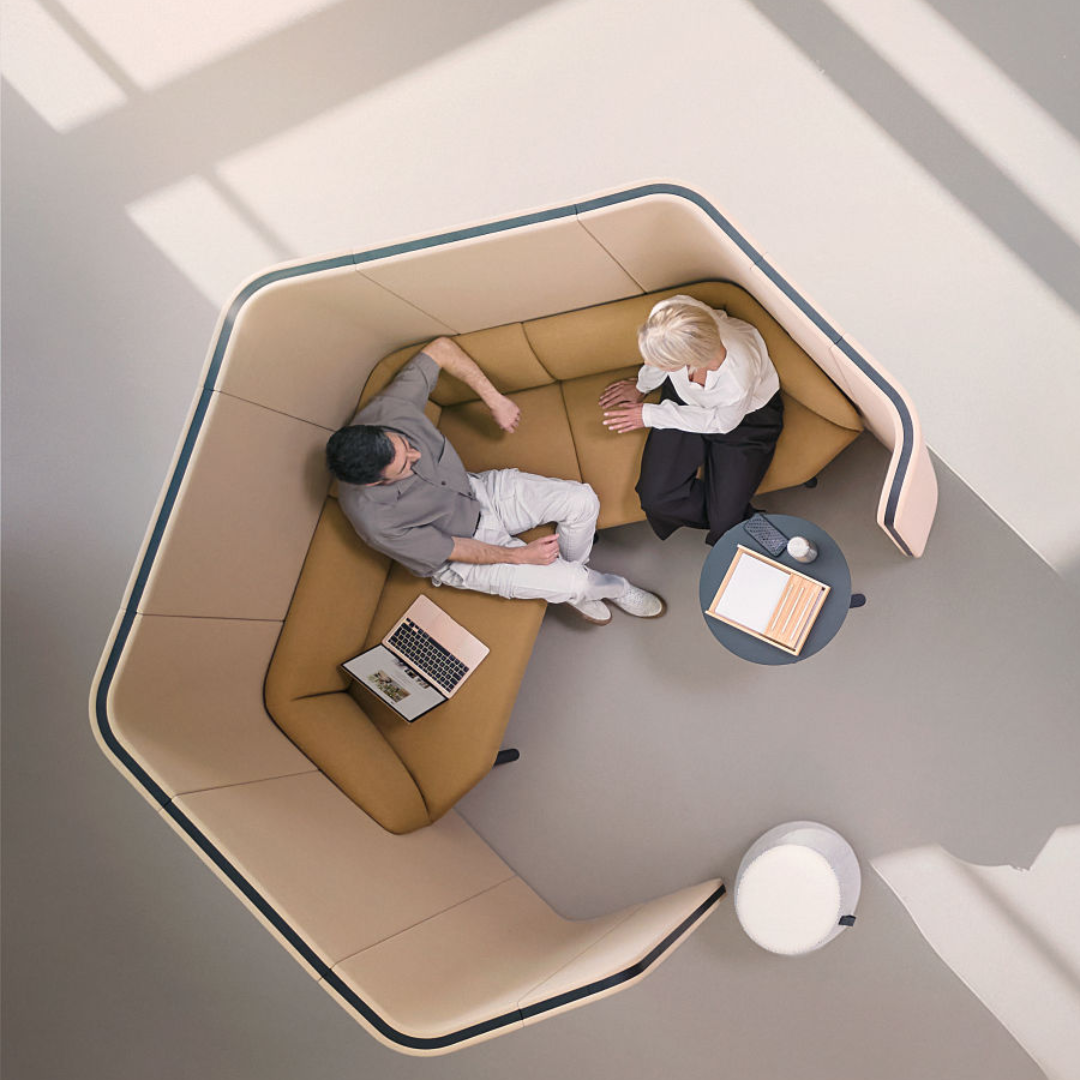
se:hive addresses this challenge with a modular room-in-room concept that brings balance to open environments. Freely positioned, acoustically effective, and highly configurable, it enables a range of work modes to coexist within a cohesive design language.
colleagues are sitting in an informal meeting
Workplace Design 10/04/2026

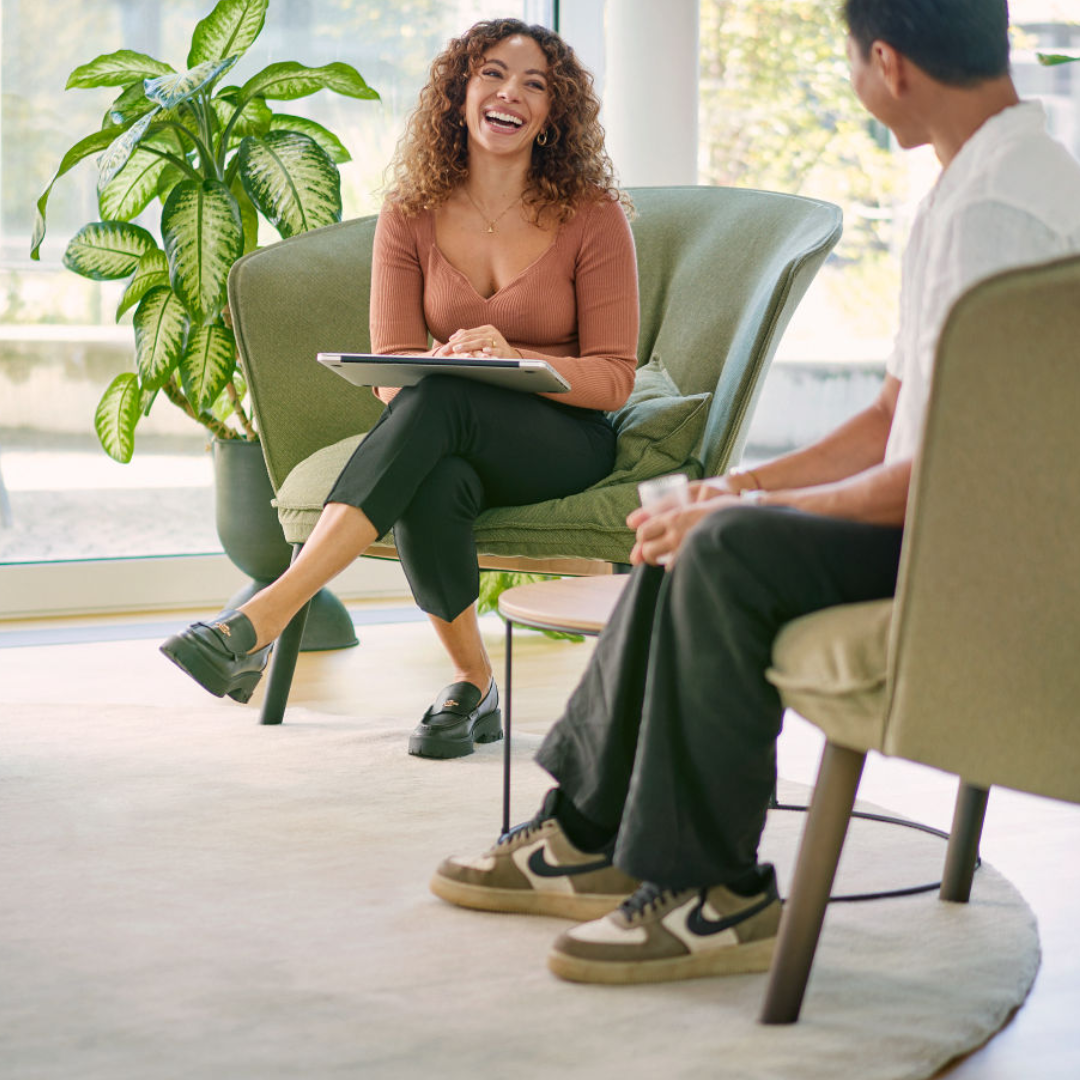
Soft Seating for Meaningful Conversations: How se:cove Redefines Informal Meetings

Long conversations need space. Not only in a metaphorical sense, but quite literally within the physical environment. While traditional meeting rooms are often designed for efficiency and structure, the most valuable dialogues tend to emerge in settings where atmosphere, comfort, and a sense of retreat come together.

This is precisely where soft seating comes into play - introducing a new quality of interaction in the workplace.
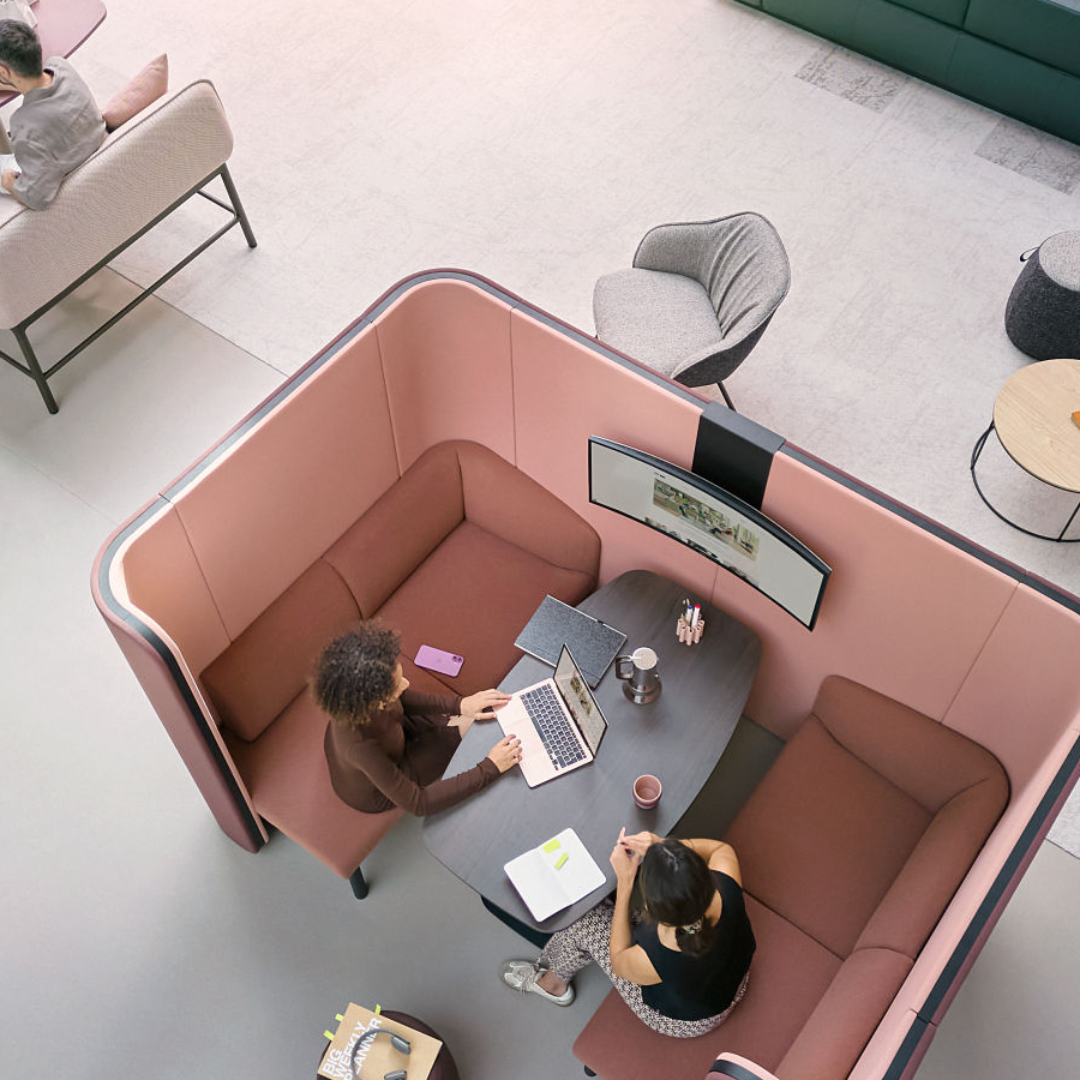
se:hive from above
Workplace Design 08/04/2026

Cognitive Zoning Instead of Uniform Space

The office is currently undergoing a fundamental transformation. For a long time, openness was considered the guiding principle of modern workplaces: communication, interaction and transparency defined spatial design. Yet with the growing density of digital stimuli and the rise of hybrid working, a different priority is coming into focus – the ability to concentrate.

In an environment shaped by constant connectivity, the office is becoming one of the few places where focused work can be deliberately supported. However, this challenge can no longer be addressed with standardised layouts. Instead, it requires a more nuanced and differentiated approach to space.
se:hive in green
Wellbeing 25/03/2026

Sit Generously, Focus Better: Comfort as a Driver of Productivity

Contemporary workplaces are defined by openness, interaction and fluid collaboration. Yet wherever communication thrives, so too does the need for retreat, concentration and mental clarity. Productivity today no longer resides solely at the traditional desk. It emerges from a thoughtful interplay between focused work, informal exchange and restorative pauses.

This is precisely where se:hive comes into its own: a modular retreat that unites spatial generosity, comfort and acoustic performance in one coherent design concept.
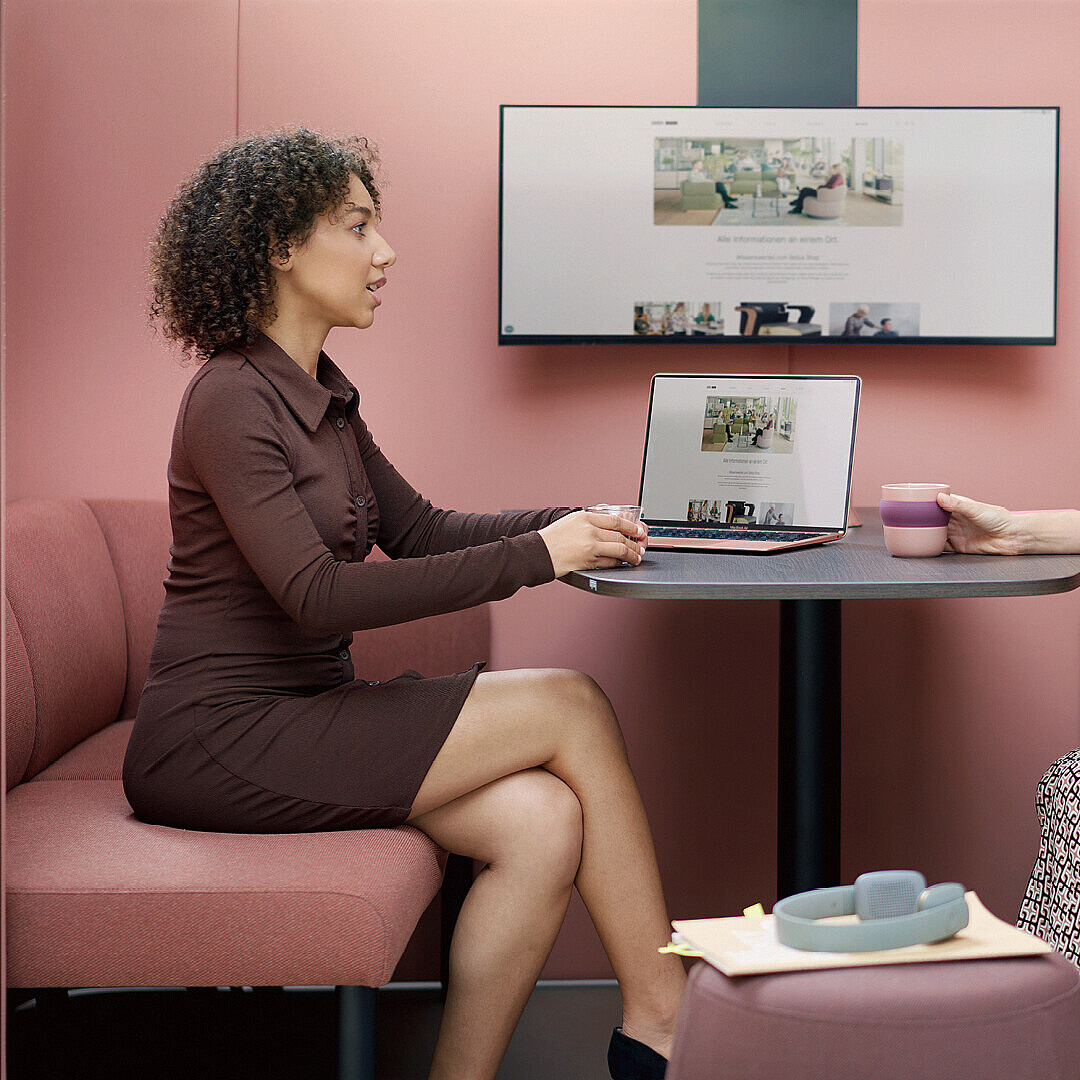
two women sitting in se:hive
Wellbeing 23/03/2026

Pathways, Transitions, Freedom of Choice

Hybrid work models have redefined the office. For years, openness, interaction and collaboration dominated spatial design. Yet alongside this evolution, another equally decisive dimension has moved into focus: the ability to concentrate. The latest edition of Sedus INSIGHTS No. 20/2025 “Focus in the Office” makes it clear that attention is not a given resource — it is fragile, cyclical and profoundly shaped by its environment . Anyone designing workplaces today is, inevitably, designing attention. And this is precisely where neuroinclusion begins.
Sedus HUB Berlin
Workplace Design 18/03/2026

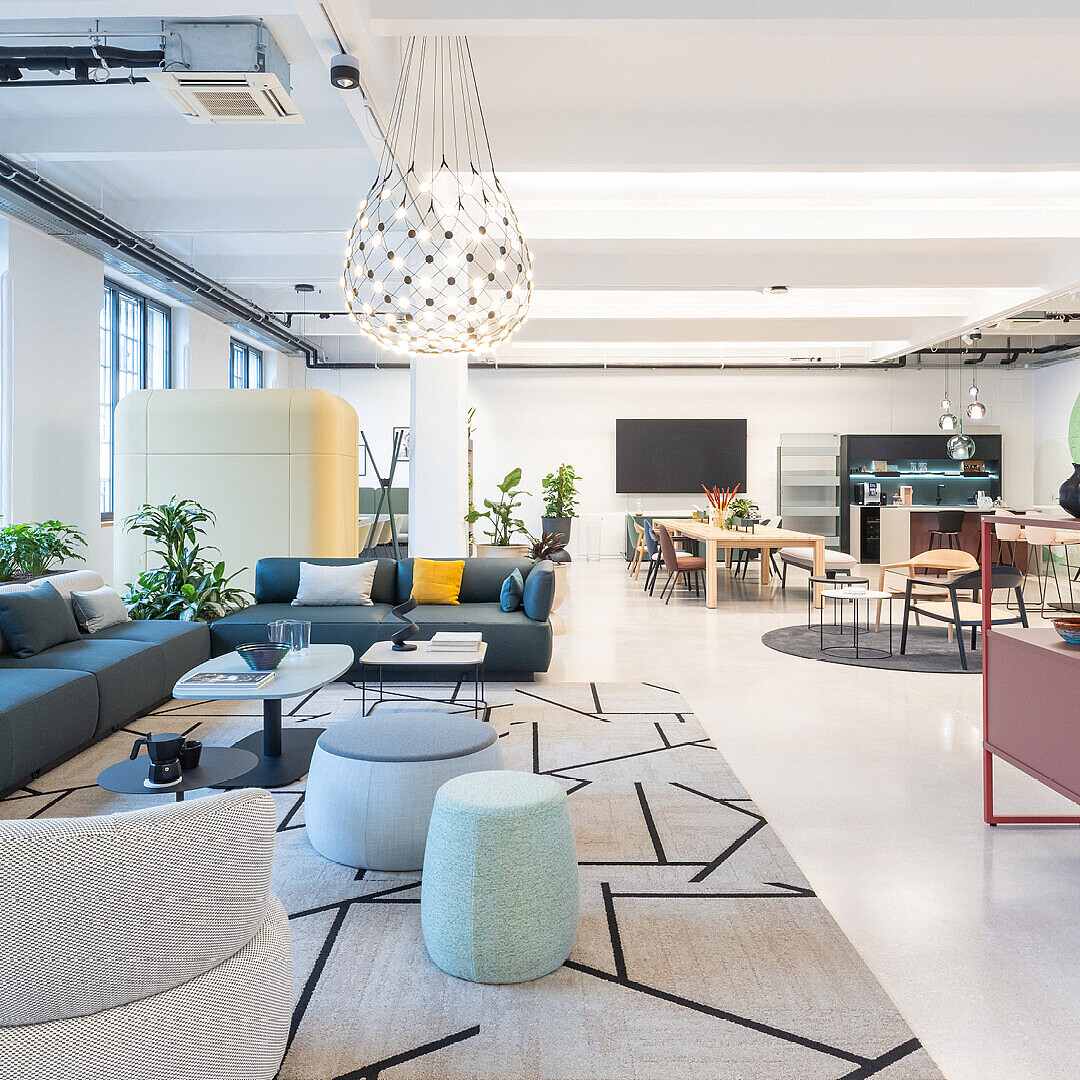
Sedus Hub Berlin: Urban Work Café Spirit – With Space for Focus, Calm and Connection

Berlin is energy, culture, movement. At the same time, it is a city where the transformation of the working world has become especially visible: co-working spaces, cafés, creative meeting points – “third places” are part of everyday life here.

It is precisely within this environment that the Sedus Hub Berlin was created: as a showroom, as an inspiring meeting place, and as a vibrant space where modern work culture is not only presented, but truly lived.

The Sedus Hub Berlin is not a traditional exhibition space. It is a place that makes the spirit of Sedus tangible – inviting visitors to experience, explore and rethink contemporary work environments.
Niklas Flum Sedus
Sustainability 09/03/2026

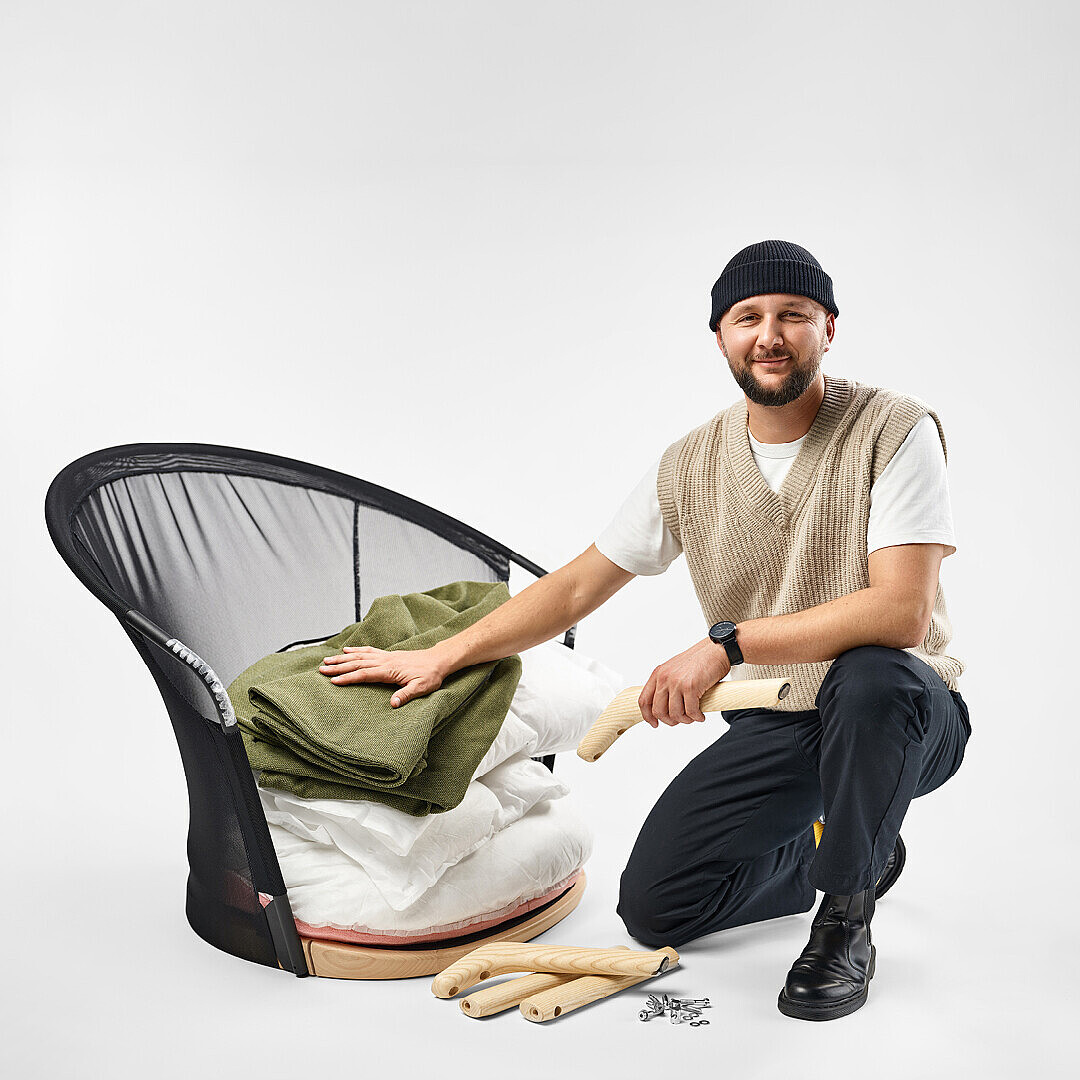
se:cove: How Much Sustainability Is Embedded in a Lounge Chair?

At first glance, se:cove appears to be a comfortable, inviting lounge chair — soft in form, clear in design and highly versatile. Yet behind its residential aesthetic lies an intensive development process in which sustainability was considered from the very beginning.

We spoke with Niklas Flum, Sustainability Specialist at Sedus, about how much sustainability work truly goes into se:cove, which levers are decisive — and why sustainability extends far beyond questions of materials.
Sedus Office Setting
Wellbeing 04/03/2026

More Atmosphere, Less Space – How Dr. Stefan Rief Envisions the Future of Work

What will the workplace of tomorrow look like – and what kind of space will it require? This question concerns not only us at Sedus, but also Stefan Rief, Head of the Research Unit for Organizational Development and Work Design at the Fraunhofer Institute for Industrial Engineering IAO in Stuttgart. As one of the leading experts in organisational and workplace design, he has spent many years researching at the intersection of people, technology, and space. We spoke with him about how work is evolving – and what places like the Work Café will need to offer in the future.
Konstantin Thomas with the se:cove
Sustainability 02/03/2026

Pure Materials, Designed for Recycling, Built to Last

Sculptural yet soft in its expression, se:cove combines gentle, flowing lines with a distinctive spatial presence. The lounge chair is both an eye-catcher and a place of retreat. While the rear view conveys dynamism and structure, the open, inviting front creates a sense of shelter — like a small cove within the space, offering protection while encouraging interaction.

Whether used for focused work, creative breaks or extended conversations, se:cove creates moments of concentration and exchange. Yet behind its expressive form lies more than comfort and aesthetics. The chair embodies a product philosophy where responsible material selection, intelligent construction and sustainable processes are embedded from the outset.

At Sedus, sustainability is not an add-on — it is integral to the concept.
Inclusive Focus Settings in an office
Wellbeing 20/02/2026

Planning for Neurodiversity: Offices for Diverse Sensory Profiles

For decades, workplaces were designed around the idea of an “average” user. In the age of hybrid work, it has become increasingly clear: such an average does not exist. People differ not only in their tasks and working styles, but also in how they perceive, process, and regulate stimuli. This is precisely where the concept of neurodiversity comes into play — and why it has become a central planning consideration for modern offices.

Sedus INSIGHTS N° 20 demonstrates why concentration, well-being, and performance are closely linked to sensory perception — and why work environments must increasingly respond to diverse sensory sensitivities.
se:cove Designer Konstantin Thomas
News 17/02/2026

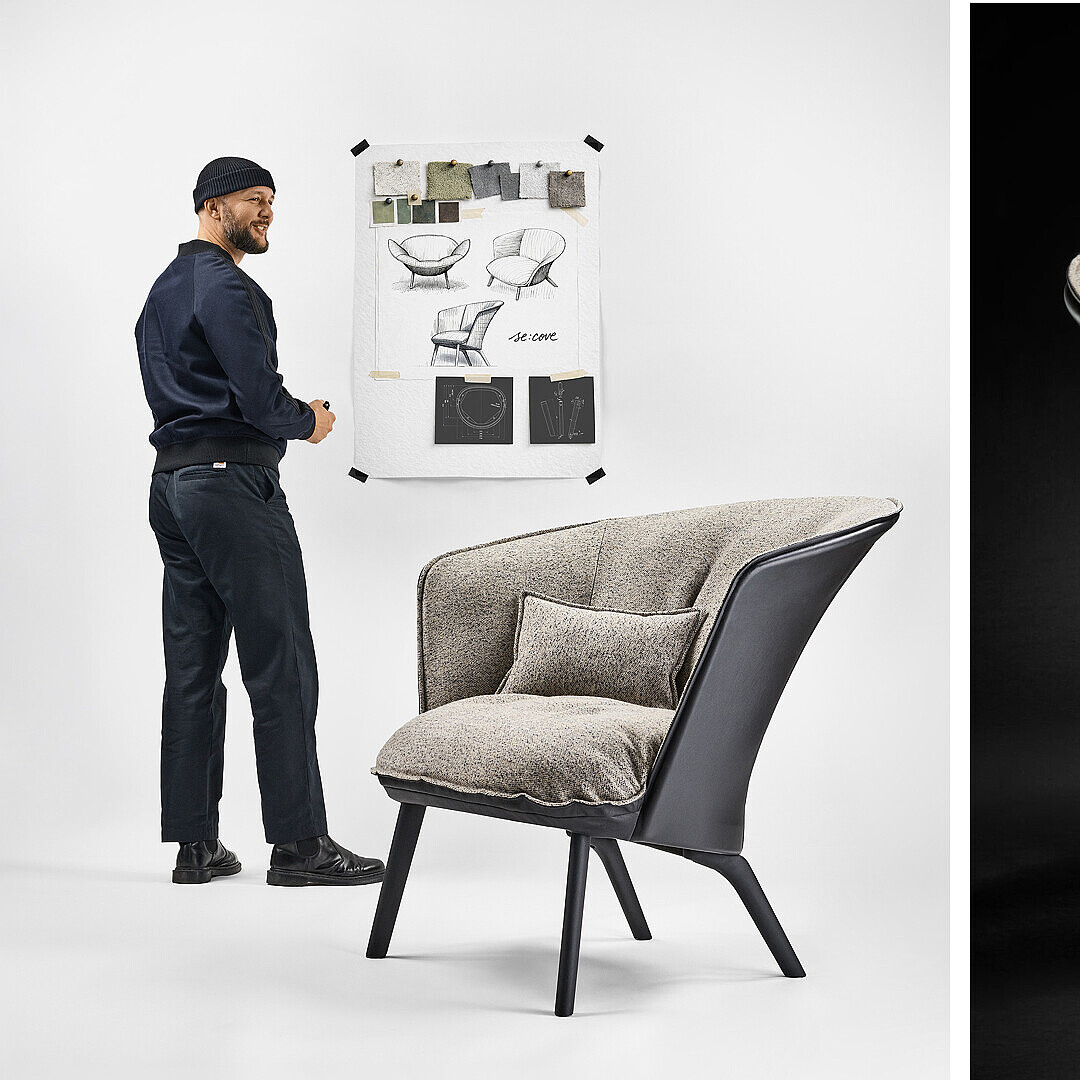
se:cove – The Art of finding Retreat

With se:cove, Sedus expands its portfolio with a sculptural lounge chair that combines retreat, comfort and sustainable construction. We spoke with industrial designer Konstantin Thomas about the development process, the design ambition and the structural principles behind the product.
sedus smart office Dogern
Wellbeing 12/02/2026

Energy Management Instead of Time Management

Why focus depends on energy levels – and how spaces enable micro-breaks and movement.

For decades, productivity was primarily organised around time: working hours, meetings scheduled, utilisation rates. Yet in today’s hybrid working reality, it is becoming increasingly clear that time alone is no longer a reliable metric. What truly matters is not how long we work, but with how much energy we bring to those hours.

Sedus INSIGHTS Nº 20 highlights why concentration is not a matter of discipline or scheduling, but closely linked to individual energy levels – and what role work environments play in supporting them.
Tetra Pak Office
Workplace Design 11/02/2026

Balancing Concentration and Collaboration

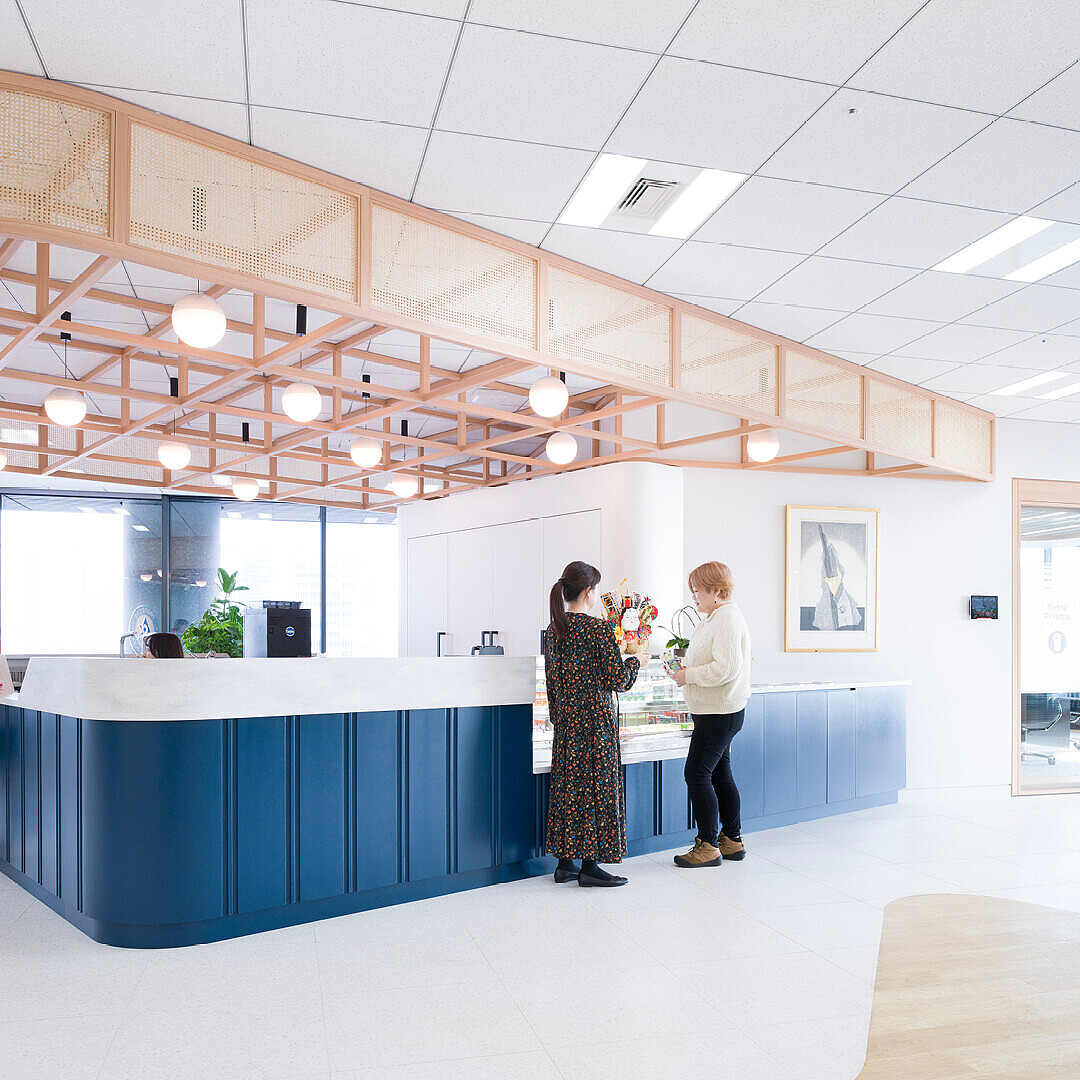
Tetra Pak in Tokyo and Warsaw is an inspiring case in point: a project by tp bennett that illustrates how to strike the right balance between highly stimulating spaces for collaboration and networking and low-stimulation environments for quiet, focused work – while adapting to different cultural contexts.
se:hive from above
Wellbeing 09/02/2026

The Concentration Cycle: How Spaces Enable “Flow”

What the natural alternation between focus and recovery means for spatial planning. Concentration is often understood as something we either have - or don’t have. In reality, everyday working life increasingly shows that focus is a dynamic process, rather than a permanent state. It emerges, reaches a peak, gradually declines - and requires recovery in order to arise again.

This cycle of concentration is becoming especially relevant in hybrid working environments. As attention turns into a scarce resource, the physical environment plays a decisive role in determining whether focused work is supported - or disrupted.
man sitting in sedus se:cove
News 03/02/2026

Open Front, Strong Back: The Dual Design of se:cove in Planning Practice

In open-plan work environments, it is not only what is placed in a space that matters, but how it is perceived from different perspectives. Furniture becomes a spatial element: it structures areas, guides movement, shapes sightlines and subtly influences behaviour. This is exactly where the dual design of se:cove comes into play. 
The lounge chair has two clearly defined “faces”: an open, inviting front and a strong, structured back. This contrast is not incidental, but a deliberate design decision – and a valuable tool for spatial planning.
Back of the sedus se:cove
News 30/01/2026

Quietly Sculptural: How se:cove Shapes Space

Open spaces need character - but not noise. In today’s modern work environments, work cafés, and hybrid zones, the goal is no longer simply to fill square metres, but to create atmosphere. With se:cove, Sedus enters a new era of soft seating: a lounge chair that makes a sculptural statement while offering exactly what open-plan spaces demand today - calm, retreat, and presence. 
se:hive in green and pink
Wellbeing 27/01/2026

Why Focus Is Becoming the New Guiding Principle in the Hybrid Office

For a long time, the office was primarily seen as a place of encounter: open, communicative, and creative. Collaboration was the guiding principle of office design – with open-plan layouts, community tables and informal meeting zones. Yet the reality of hybrid work is making one thing increasingly clear: collaboration alone is not enough. People come to the office not only to exchange ideas, but above all to find the right conditions for focused, concentrated work.
AGR Gütesiegel
Wellbeing 18/01/2026

What lies behind the AGR Quality Seal – and why, at Sedus, it is more than just a label

Many people are familiar with it: the AGR quality seal “Tested & Recommended”. It appears on ergonomic office chairs, height-adjustable desks and modern workplace solutions, offering guidance in a crowded market of ergonomic products.

But what does this seal actually stand for? Who is behind it? And why have several Sedus products – as well as complete concept solutions – been awarded this distinction?

We spoke to Detlef Detjen, Managing Director of Aktion Gesunder Rücken e. V. (AGR – Campaign for Healthy Backs). He explains what makes the AGR seal special, how the assessment process works, and why holistic ergonomics is becoming increasingly important in the modern world of work.
1 2 3 »
Contact
Contact Us!
Showroom
See our visions!